Building & Pest Inspections in North Perth
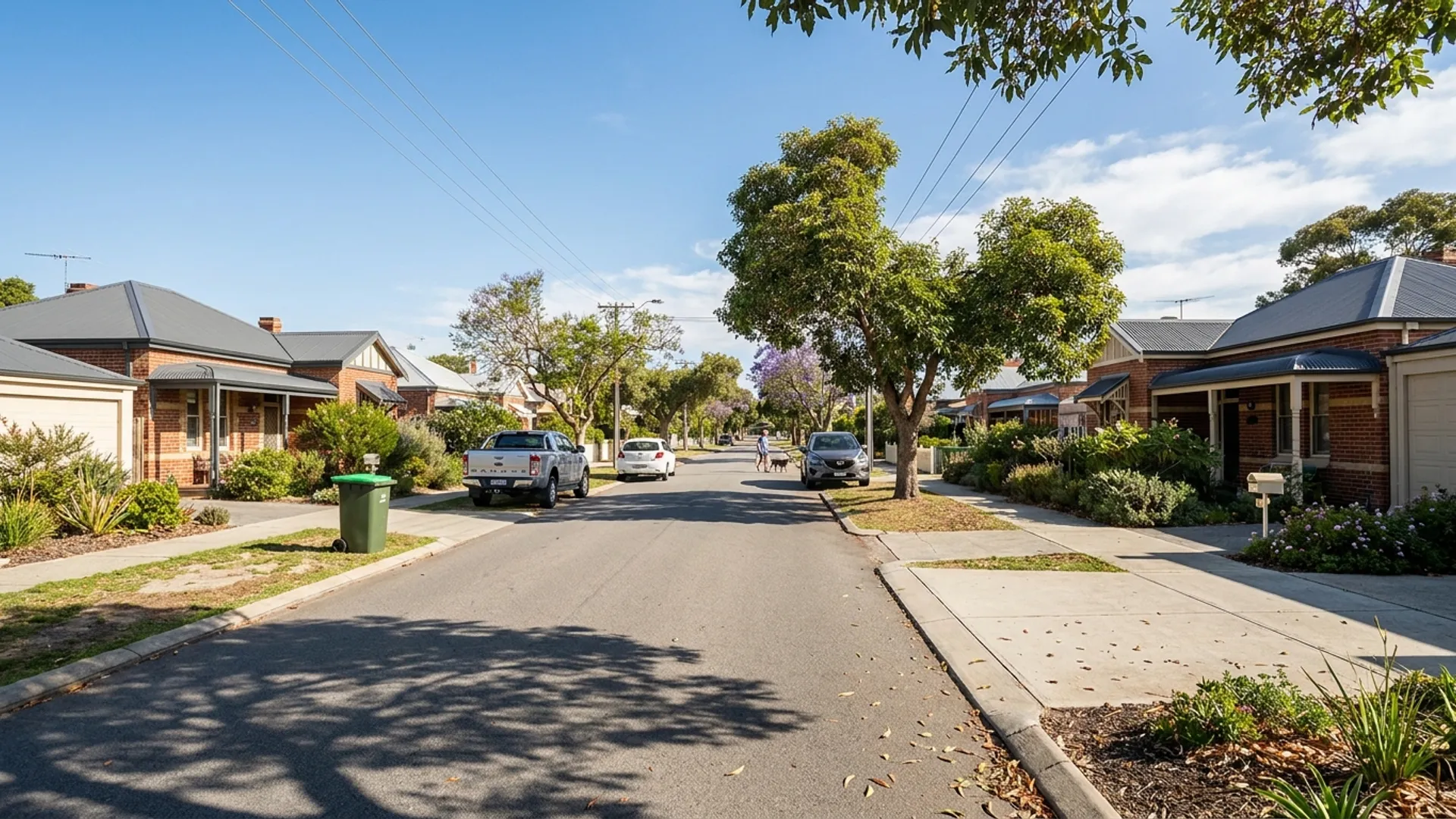
North Perth is one of Perth's oldest continuously occupied suburbs — with housing stock spanning from the 1890s gold rush through to 1950s post-war construction. This 60-year range of building eras, compressed into a small inner-city suburb, produces an inspection environment where neighbouring homes can be built with entirely different construction methods: a 1900s Federation cottage with lime mortar, timber framing, and limestone footings next to a 1950s post-war duplex with concrete block, fibro cladding, and a concrete slab. Each era carries its own specific defect profile, and a thorough inspection in North Perth requires familiarity with every decade of construction represented.
North Perth has also become one of Perth's most active renovation and property "flip" markets — investors buying older homes, applying cosmetic upgrades, and reselling at significant premiums. The risk for buyers is that fresh plaster, new paint, modern kitchens, and polished timber floors can conceal structural defects that would be obvious in an un-renovated home. Differential settlement at the junction between old and new construction, rising damp masked by waterproof membrane paint, termite damage concealed behind new plasterboard, and load-bearing walls removed without adequate structural support are all findings our inspectors encounter repeatedly in North Perth's flipped properties. Combined building and pest inspections start from $497 for houses.
What We Look For in North Perth Properties
Differential Settlement at Old-New Junctions
North Perth's renovation history means most homes have been extended, modified, or partially rebuilt at least once — and often multiple times across different decades. The junction between original construction and each subsequent addition is a structural stress point. A 1900s Federation home might have a 1940s sleepout addition, a 1970s bathroom extension, and a 2010s rear living area — each built on different footings, using different materials, and settling at different rates. The visible signs are diagonal cracks that track along the junction line, doors and windows that bind or swing open on their own (indicating the frame is no longer square), and gaps between skirting boards and the floor where one section has dropped relative to another. Our inspections trace the building's construction chronology — identifying where additions were made and assessing the condition of each junction.
"Flipped" Homes Hiding Structural Defects
North Perth's gentrification has produced a wave of cosmetic renovation flips that can mislead buyers without inspection experience. The telltale signs of a flip designed to conceal rather than repair include: fresh render applied over the entire exterior (masking cracking patterns that indicate structural movement), new floating floors installed over uneven slabs (concealing slab heave or subsidence), plasterboard linings applied over original lath-and-plaster walls (hiding cracking, damp staining, and potentially active termite damage), and fresh paint applied directly over damp-affected surfaces (temporarily hiding rising damp that will re-emerge within months). Our inspectors use moisture meters behind recently renovated surfaces, check floor levels with laser equipment, and assess whether the renovation addressed the underlying issues or simply covered them. The difference between a well-renovated North Perth home and a poorly flipped one can be $50,000-$100,000 in future remediation costs.
Mixed-Era Asbestos Complexity
North Perth's asbestos profile is unusually complex because of the suburb's layered construction history. The original 1890s-1920s homes predate the asbestos era — they contain no original asbestos. However, the additions, renovations, and modifications applied during the 1940s-1970s routinely used asbestos-containing materials: fibro eaves replacing original timber fretwork, Hardiflex wet-area sheeting in bathroom and laundry additions, asbestos-cement backing boards behind meter boxes, and Super Six fencing on boundary lines. A single North Perth home can be asbestos-free in the original front rooms and contain multiple asbestos sources in the rear additions — creating a mixed-era profile that requires room-by-room assessment rather than a blanket classification. Our inspections identify suspected asbestos-containing materials by location and assess their condition.
Smiths Lake Reserve Termite Corridor
Smiths Lake Reserve and Charles Veryard Reserve provide significant termite harbourage within the suburb's boundaries. The reserves' mature eucalypts, dead timber, and permanent moisture from the lake environment sustain Coptotermes acinaciformis colonies that forage outward through the Karrakatta Sand into surrounding residential properties. North Perth's mature street trees — London Planes, Peppermints, and Moreton Bay Figs — extend this termite corridor throughout the suburb, providing stepping-stone habitat from the reserves into streets well beyond the immediate park boundary. Properties with aging timber framing, sub-floor crawl spaces, and the failing sub-floor ventilation common in renovated Federation homes face the highest risk. Our timber pest inspections in North Perth use thermal imaging to detect concealed termite activity behind the plaster and plasterboard walls that hide the home's timber structure from visual assessment.
Precincts We Service
- Smiths Lake Reserve precinct — highest termite risk zone, established 1890s-1920s Federation cottages, rising damp on lower-lying streets near the lake, mature tree canopy creating continuous termite corridor
- Charles Veryard Reserve border — parkland termite harbourage, mix of 1920s-1940s homes, established gardens with large eucalypts, sub-floor ventilation assessments on suspended-floor homes
- Angove Street corridor — commercial strip with residential above, mixed-use inspection requirements, heritage shopfronts with residential conversions, cockroach and rodent pressure from food premises
- Fitzgerald Street precinct (west North Perth) — active flip market, highest concentration of cosmetically renovated homes requiring hidden-defect assessment, differential settlement at old-new junctions
Pest Control in North Perth
North Perth faces very high termite pressure from multiple sources within and surrounding the suburb. Smiths Lake Reserve provides the largest permanent habitat — its mature eucalypts and standing water sustain Coptotermes acinaciformis colonies year-round, with foraging tunnels extending through the Karrakatta Sand into residential properties on every side of the park. Charles Veryard Reserve adds a second bushland-based termite source on the suburb's eastern flank. But North Perth's termite risk extends well beyond the immediate park boundaries: the suburb's extensive mature street tree canopy creates continuous above-ground nesting habitat and below-ground foraging corridors that link the reserves to residential streets throughout the suburb. Properties with century-old timber framing are directly vulnerable — the Jarrah develops micro-fractures after 100+ years that provide termite entry points even in this naturally resistant species. Homes that have been "flipped" are particularly concerning: new plasterboard linings applied over original timber frames can conceal active termite damage that the renovator either didn't detect or chose to cover rather than remediate. Annual termite inspections are essential for every North Perth property.
North Perth's Angove Street cafe and restaurant strip generates localised cockroach and rodent pressure similar to Leederville's Oxford Street. German cockroaches (Blattella germanica) migrate from commercial kitchens into adjacent residential properties through shared drainage connections and gaps in aging party walls. Rodent activity is elevated in autumn and winter as rats move from cooling gardens into the generous roof spaces of North Perth's older homes — entering through deteriorated eave timbers, missing ridge capping, and gaps where old roofing meets newer additions. The fig trees, grapevines, and fruit trees common in North Perth's established gardens provide food sources within metres of residential structures. Our pest control services cover general treatments from $189, with targeted rodent programs including lockable bait stations and entry-point sealing recommendations for properties with persistent roof-space activity.