Servicing All Perth Metro - Two Rocks to Mandurah| Open 7 Days · Book Online 24/7
Building and pest inspections in Canning Vale & South East

Building & Pest Inspections

Building and Pest Inspections in Canning Vale & South East

5-star rated building and pest inspections across Perth. Servicing Canning Vale & South East with local inspectors who know your area.

0481 575 747
10,000+

Inspections Completed

Cert III

Pest Management (Owner)

24-48

Hour Report Turnaround

5.0

Google Rating (200+ Reviews)

Pre-Purchase Building & Pest Inspections in Canning Vale & South East Perth

Perth's south-east corridor sits on the Guildford Formation, a highly reactive clay that swells massively in wet winters and shrinks in hot dry summers. This soil literally breaks houses. Diagonal step-cracking in brickwork, slab heave, and door and window frame distortion are not occasional findings here. They're expected. Combine that with extreme termite pressure from wetlands, creeks, and bushland, and the south-east becomes the most demanding inspection environment in the Perth metro area.

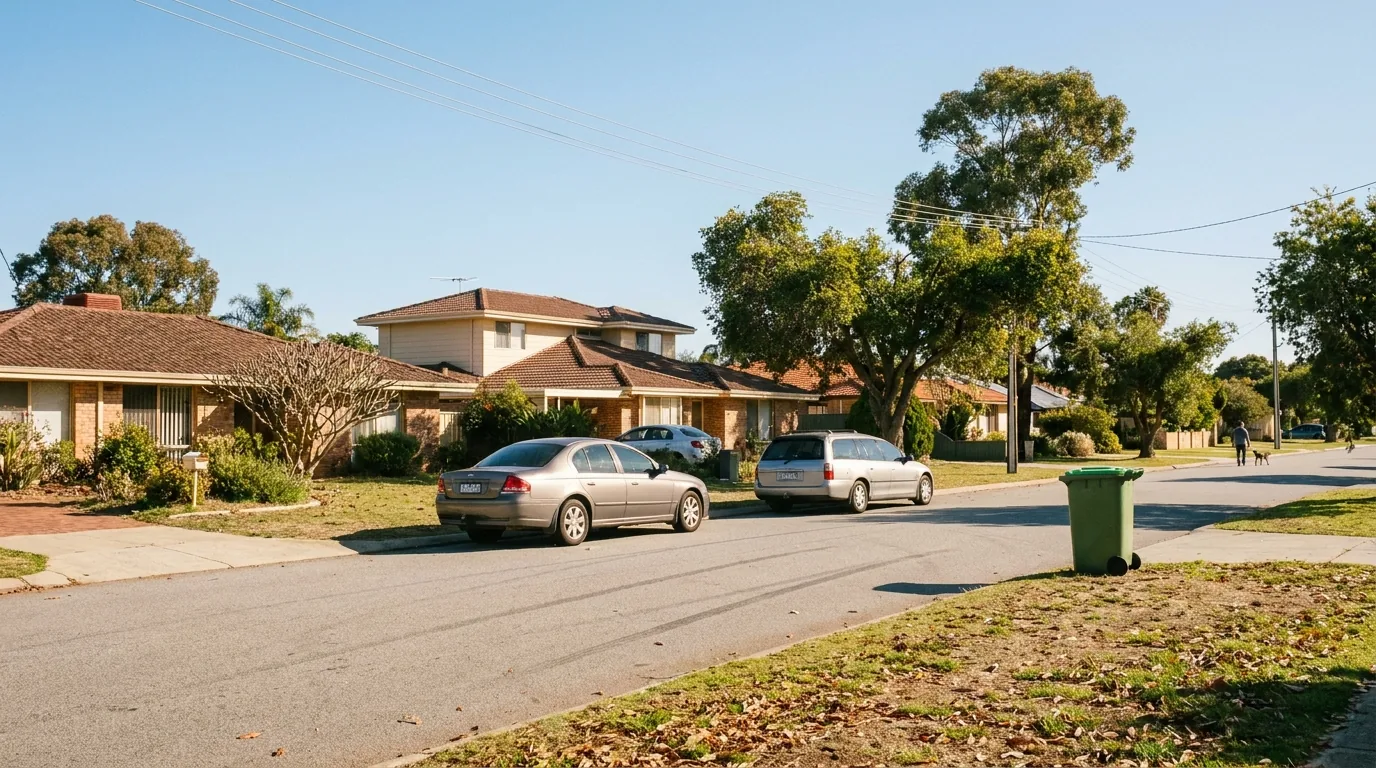
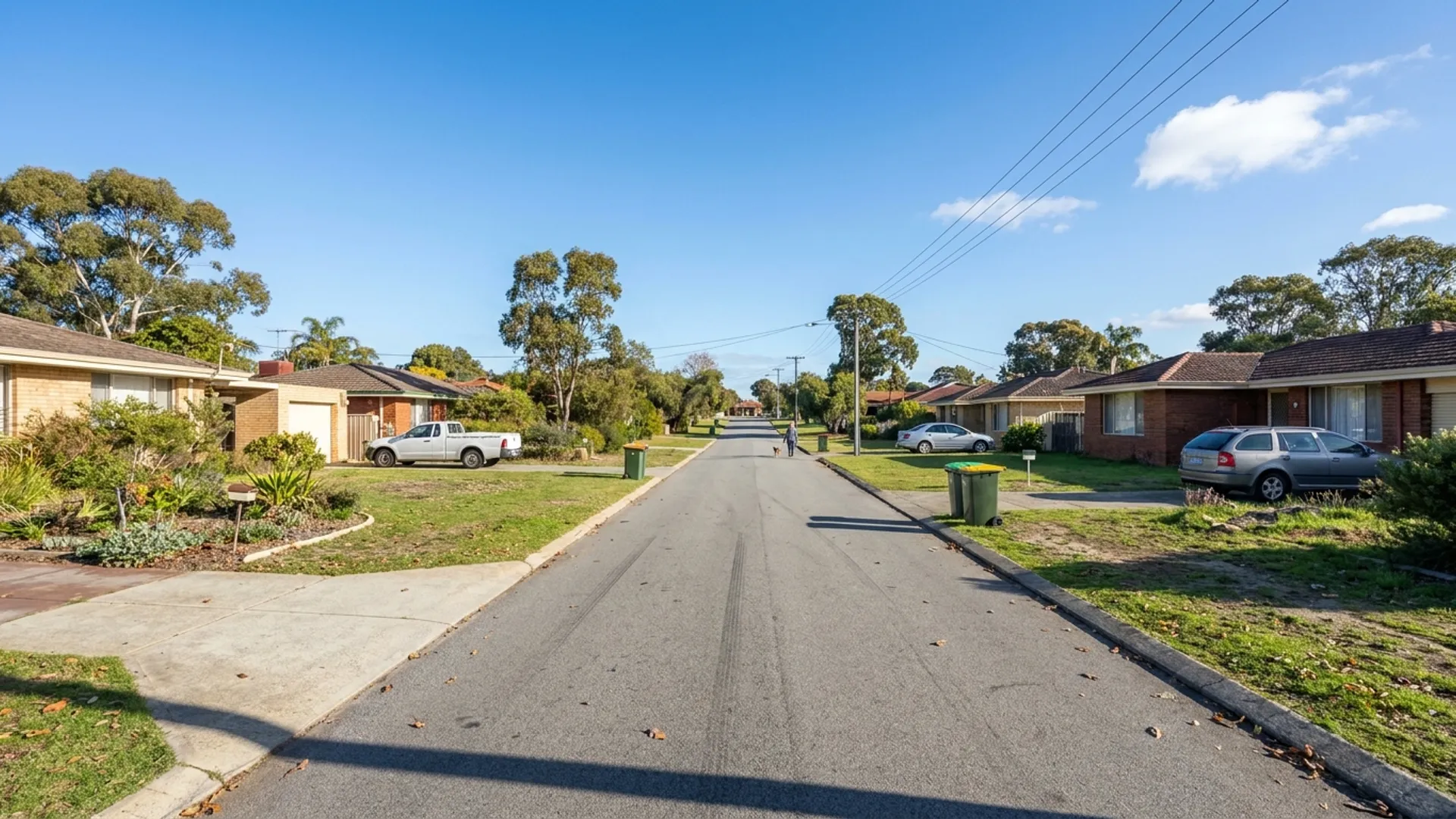
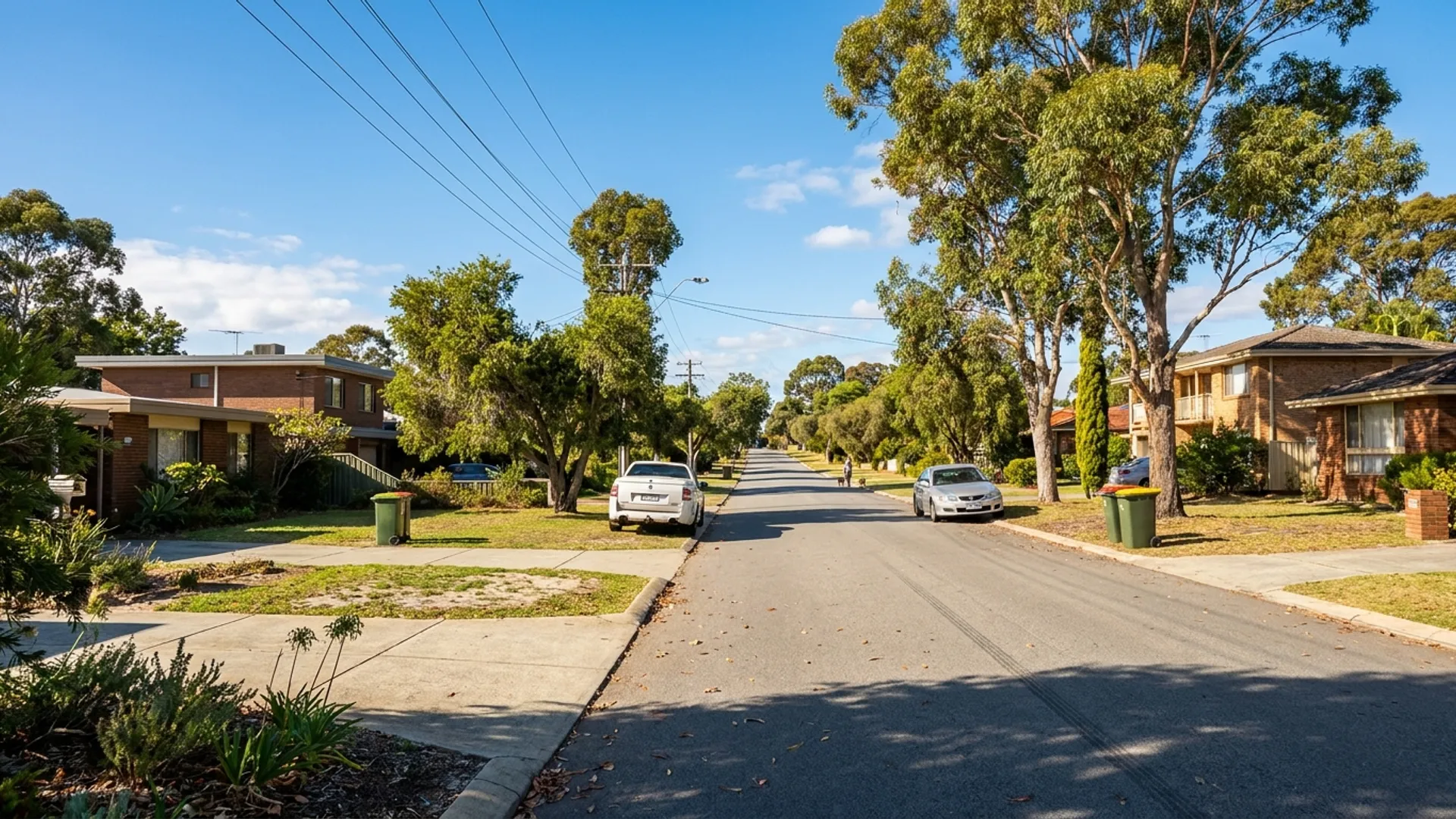
Our inspectors service Canning Vale, Southern River, Harrisdale, Piara Waters, Thornlie, Gosnells, Willetton, Forrestdale, Riverton, Bull Creek, Armadale, Kelmscott, Bentley, and Cannington. We understand the reactive clay, the construction eras, and the termite species active in each suburb.

Reactive Clay & Structural Movement

The Guildford Formation reactive clay underneath suburbs like Canning Vale, Thornlie, and Southern River is Perth's most problematic soil type. It expands when saturated in winter and contracts during summer heat, creating cyclical stress on concrete slabs and masonry walls. In older suburbs like Thornlie and Gosnells, many homes have large diagonal step-cracks that have been through multiple repair cycles. In newer suburbs like Harrisdale and Piara Waters, imported sand pads sit on top of the clay, but poor compaction or inadequate paving grading allows water to pool against slab edges, restarting the cycle.

Concrete Roof Tile End-of-Life

Canning Vale and Willetton were built during the 1990s and 1980s respectively, when concrete roof tiles were the standard. These tiles are now 25–35 years old and hitting their failure point across the suburb. Ridge capping is failing en masse, letting water into roof spaces, causing ceiling staining, mould growth, and timber damage. This is not a future risk; it's happening now.

Extreme Termite Pressure

The south-east corridor is heavily intersected by wetlands, creeks, and bushland reserves, perfect foraging grounds for subterranean termites. Southern River borders one of Perth's most aggressive termite corridors, with properties backing onto the bushland reserve requiring annual termite inspections without exception. Canning Vale's high water table means Schedorhinotermes (which require constant moisture) are present alongside the more common Coptotermes. In Thornlie, Heterotermes commonly attacks aging timber boundary fences.

COVID-Era Build Defects (Harrisdale & Piara Waters)

The newer stages of Harrisdale and Piara Waters estates, particularly Madox, Holland Park, and Riva, saw significant construction during the 2020–2023 HomeBuilder grants period. Missing wall ties, poor DPC installation, and unsupported roof purlins are common findings. We use laser levelling to check for early-stage slab heave on the Guildford Formation clay, which can begin to show within a few years of construction.

Asbestos in Thornlie, Gosnells & Willetton

Homes built before 1985 in the older south-east suburbs have very high asbestos prevalence. Thornlie and Gosnells are the highest risk of the group. Super Six fencing, eaves, wet-area sheeting, and vinyl floor tiles with asbestos-containing black mastic in 1970s kitchens are widespread. Willetton's 1980s stock is highly sought after due to the Willetton Senior High School zone, leading to rapid cosmetic flips. Look for fresh render or paint covering severe structural clay-movement cracks.

Forrestdale: BAL & Extreme Termite Risk

Properties near Forrestdale Lake face extreme Bushfire Attack Level (BAL) compliance requirements. Unauthorised renovations may have breached fire compliance: non-compliant decking, standard glass windows, and unrated additions. Extreme subterranean termite risk from the lake and adjacent bushland makes this one of the highest-risk suburbs for timber pest in the entire Perth metro.

Our combined building and pest inspections start from $422.

Termite Treatment & Barriers in Canning Vale & South East Perth

The Guildford Formation clay that defines Perth's south-east corridor creates ideal conditions for the two most destructive subterranean termite species in Western Australia. Schedorhinotermes, which require constant moisture to survive, thrive in the waterlogged clay soils of Southern River, Forrestdale, and low-lying sections of Canning Vale where the water table sits close to the surface. Coptotermes acinaciformis colonise the mature eucalypts along creek lines and bushland reserves throughout the zone, foraging up to 100 metres from their nests into surrounding homes.

Clay soils retain moisture far longer than Perth's sandy coastal soils, meaning the south-east corridor carries elevated termite pressure year-round, not just during the wet season. Properties in Thornlie, Kelmscott, and Armadale with aging hardwood frames are particularly vulnerable, as termites exploit weep holes and cracks in mortar joints caused by the same clay movement that damages brickwork. In newer estates like Harrisdale and Piara Waters, poorly installed physical termite barriers, common in COVID-era builds, leave gaps at slab penetrations that termites can breach within a few years of construction. Our termite treatment and barrier services protect homes across the south-east zone against both species.

Residential Pest Control in Canning Vale & South East Perth

The south-east corridor's combination of reactive clay soils, high water tables, and proximity to wetlands and bushland creates one of Perth's most persistent pest environments. In Canning Vale and Willetton, aging terracotta drainage systems provide year-round harbourage for German cockroaches, which thrive in the warm, moist conditions inside broken pipe junctions. Thornlie and Gosnells, with their 1970s housing stock and large, established gardens, see consistent Redback spider populations in sub-floor spaces, sheds, and retaining wall cavities.

During autumn and winter, rodents become a significant issue as rats migrate from drying bushland reserves in Southern River and Forrestdale into surrounding homes. The reactive clay soils compound this problem: as the clay contracts during summer, it creates gaps between slab edges and exterior walls that provide easy access points for rodents and other pests. In the high-rental suburbs of Bentley, Cannington, and Gosnells, pest issues in rental properties often go unreported between tenancies, allowing populations to become well established before treatment. Our pest control services cover the full range of residential pests across the south-east zone, with treatments starting from $189.

Book Your Canning Vale & South East Inspection

The south-east corridor is where reactive clay, extreme termite pressure, and aging construction intersect. Our inspectors understand the Guildford Formation, the construction eras, and the specific risks in each suburb, because a generic checklist doesn't cut it in this zone.
Two inspectors cover Perth, and you get the one who works your side of the river

There is no dispatch queue at PinPoint. Sky owns the business and covers more of the north, Dale covers more of the south, and one of them is inspecting your Canning Vale & South East property. Whoever it is also writes your report and takes your debrief call, so there is nobody to hand you off to.

0481 575 747
  • Sky McRae, owner and lead inspectorCert III Pest Management and a WA Department of Health pest management licence. Over 20 years in the construction industry. Covers more of the north.
  • Dale Dewar, inspectorTen years in the trade, five years inspecting, over 3,000 inspections of his own. Covers more of the south.
  • Over 10,000 inspections between themBuilding and pest, counted across their whole careers. It is why the report tells you what matters and not just what is there.
  • Report in 24-48 hours, then a callPhotos, thermal images, defect grading and a summary. The debrief call is free and it is where you find out what the findings mean for your offer.

What we pay attention to across Canning Vale & South East

The ground, the housing stock and the pest pressure differ across Perth. This is what shapes an inspection in this part of it.

Soil Type

Guildford Formation (highly reactive clay): THE danger zone for building defects in Perth. Swells in wet winters, shrinks in hot dry summers.

Housing Era

1970s (Gosnells/Thornlie) to early 2000s (Canning Vale) to rapid modern growth (Piara Waters/Harrisdale)

Pest Risk Level

Extreme: heavily intersected by wetlands, creeks, and bushland. Coptotermes acinaciformis dominant. Schedorhinotermes near waterways

Asbestos Risk

Very high in the older suburbs of Thornlie, Gosnells and Willetton, where most stock predates 1990. Very low in the newer Harrisdale and Piara Waters estates.

Asbestos likelihood is our reading of the suburb's dominant construction era, not a survey of individual homes. National guidance is that a home built or renovated before 1987 is highly likely to contain asbestos materials, 1987 to 1990 likely, and after 1990 unlikely (Asbestos Awareness). Asbestos was phased out by 1990 and banned outright in 2003 (ASSEA). Only a licensed assessor and a NATA lab can confirm asbestos in a specific property.

Suburbs we cover in Canning Vale & South East

Pick a suburb for what we look at on a property there, plus local pricing and booking.

Beckenham

Guildford Formation clay (alluvial deposits from Canning River). Heavy clay with high water retention creates extreme foundation stress and rising damp conditions. 1950s-1970s brick-and-tile and some older timber-framed construction. Heritage pocket near Beckenham train station. Pest risk: extreme: canning river direct frontage creates one of the highest termite and moisture risk profiles in the south-east corridor. high water table compounds both structural and pest concerns.

View Beckenham

Bull Creek

Bassendean Sand (deep leached sands). Stable in most areas but prone to uneven settlement where drainage is poor or fill has been used. 1960s-1970s brick-and-tile dominant. R40 subdivision activity producing newer infill homes. Pest risk: extreme. bull creek reserve and canning river foreshore create significant subterranean termite pressure. mature eucalyptus provide colony harbourage throughout the suburb.

View Bull Creek

Canning Vale

Guildford Formation (highly reactive clay): THE danger zone for building defects in Perth. Swells wet, shrinks dry. 1990s–2000s established family homes. Sanctuary Waters and Livingston Estate precincts. Pest risk: extreme: reactive clay with high water table. schedorhinotermes present alongside coptotermes.

View Canning Vale

Forrestdale

Guildford Formation reactive clay. High winter water tables near the lake flood septic and leach drain systems. Acreage and rural resale transitioning to residential. Mix of established 4x2 homes on large blocks and newer development. Pest risk: extreme: forrestdale lake and adjacent bushland create one of the highest timber-pest-risk environments in the metro.

View Forrestdale

Gosnells

Guildford Formation clay transitioning to Bassendean Sand in eastern areas. Reactive clay dominant in western Gosnells near Canning River. 1960s-1970s brick-and-tile dominant with some older 1950s fibro and weatherboard in the townsite. Pest risk: extreme. ellis brook valley reserve creates a permanent termite corridor. canning river along northern boundary adds moisture. high rental proportion means deferred maintenance.

View Gosnells

Harrisdale / Piara Waters

Guildford Formation reactive clay with imported sand pads. Dense master-planned estates with poor compaction. Recent builds (2010–present). Madox, Holland Park, and Riva estates. COVID-era builds in newer stages. Pest risk: high: reactive clay provides moisture. bush-edge properties face elevated subterranean termite risk.

View Harrisdale / Piara Waters

Huntingdale

Guildford Formation clay transitioning to Bassendean Sand. Western areas on reactive clay with slab movement risk, eastern areas on more stable sand. 1980s-1990s brick-and-tile. Maintenance-age defects now appearing as homes reach 30-40 year threshold. Pest risk: high. southern river bushland on southern edge provides subterranean termite habitat. reactive clay in western areas retains moisture supporting colony activity.

View Huntingdale

Kenwick

Guildford Formation clay (Class M/H sites, reactive). Severe seasonal swell-shrink causing foundation heave and slab cracking across the suburb. 1960s-1970s brick-and-tile dominant. High rental proportion with deferred maintenance across most of the housing stock. Pest risk: extreme: brixton street wetlands (nationally significant) create permanent moisture and termite corridors. reactive clay retains year-round moisture supporting large coptotermes colonies.

View Kenwick

Langford

Guildford Formation clay and Bassendean Sand mix. Reactive clay dominant in western areas near Canning River, sand in eastern pockets. Foundation behaviour varies across the suburb. 1960s-1970s brick-and-tile with some older 1950s fibro and weatherboard. DIY modifications common across the suburb. Pest risk: high, canning river proximity on western boundary provides permanent moisture and termite habitat. deferred maintenance in rental properties creates conditions conducive to infestation.

View Langford

Parkwood

Bassendean Sand (deep leached sands). Generally stable foundation conditions with localised settlement where fill has been poorly compacted. 1970s-1980s brick-and-tile. Consistent housing stock with uniform age across the suburb. Pest risk: high. whaleback golf course adjacent provides irrigated turf habitat supporting established termite colonies. mature street trees add colony harbourage within the residential area.

View Parkwood

Piara Waters

Guildford Formation reactive clay with imported sand pads. Dense master-planned estates with engineered fill over problematic natural soil. 2010-present builds. Newhaven and Riva estates. COVID-era construction (2020-2023) in newer stages. Pest risk: high. reactive clay retains moisture. bushland interface on southern edges creates elevated subterranean termite risk from displaced colonies.

View Piara Waters

Riverton

Bassendean Sand transitioning to Guildford Formation clay near Canning River. Mixed soil profile creates variable foundation conditions across the suburb. 1970s-1980s brick-and-tile dominant. Some 1990s infill subdivision on larger original lots. Pest risk: high: canning river and riverton reserve create permanent termite corridors through the suburb. mature trees and irrigated gardens support established coptotermes colonies.

View Riverton

Southern River

Guildford Formation reactive clay with imported sand pads. Poor compaction leads to differential settlement. Recent resale and new builds (2005–present). Bletchley Park and Sevenoaks estates. Pest risk: extreme, adjacent to southern river bushland reserve, one of perth's most aggressive termite corridors.

View Southern River

Thornlie / Gosnells

Guildford Formation reactive clay: severe structural movement from cyclical swell-shrink. Many homes have cracked and been repaired multiple times. 1970s–1980s established stock. Many homes have large diagonal step-cracks from decades of clay movement. Pest risk: extreme: reactive clay + age = structural timber vulnerable. heterotermes attacks aging boundary fences. coptotermes from bush reserves.

View Thornlie / Gosnells

Willetton

Guildford Formation reactive clay: same cyclical swell-shrink as the rest of the south-east corridor. 1980s family homes. Highly sought after due to Willetton Senior High School zone, driving rapid cosmetic flips. Pest risk: high: coptotermes from mature trees and adjacent reserves. standard south-east corridor risk.

View Willetton

Ready to Buy With Confidence?

5-star rated building and pest inspections across Perth. Book now - report in your inbox within 24-48 hours.

Call 0481 575 747

Money-back guarantee on building inspections, within 60 days · No obligation quote

Call Sample Book Now