Servicing All Perth Metro - Two Rocks to Mandurah| Open 7 Days · Book Online 24/7
Building and pest inspections in Perth CBD & Inner Suburbs

Building & Pest Inspections

Building and Pest Inspections in Perth CBD & Inner Suburbs

5-star rated building and pest inspections across Perth. Servicing Perth CBD & Inner Suburbs with local inspectors who know your area.

0481 575 747
10,000+

Inspections Completed

Cert III

Pest Management (Owner)

24-48

Hour Report Turnaround

5.0

Google Rating (200+ Reviews)

Pre-Purchase Building & Pest Inspections in Perth's Inner Suburbs

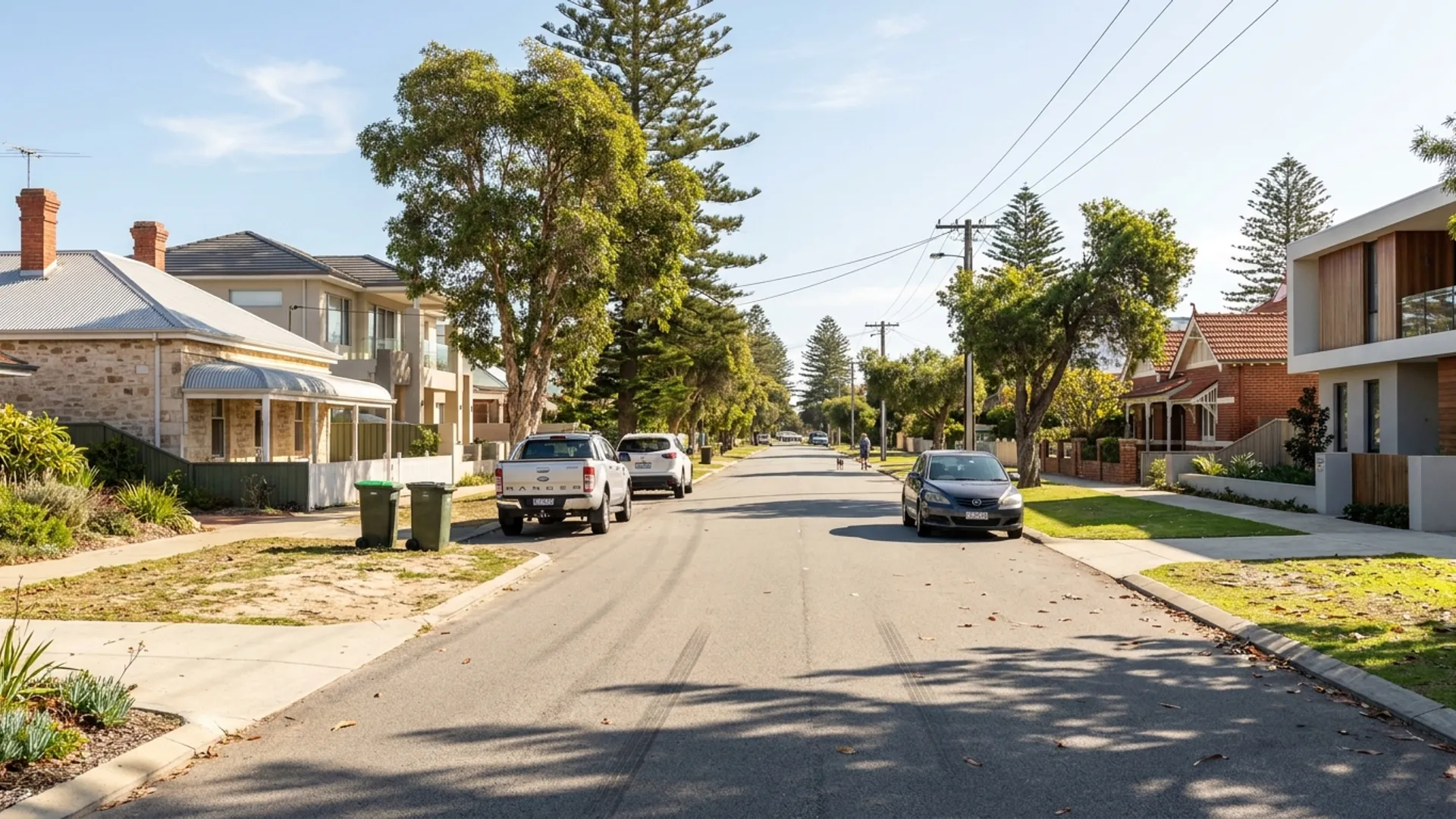
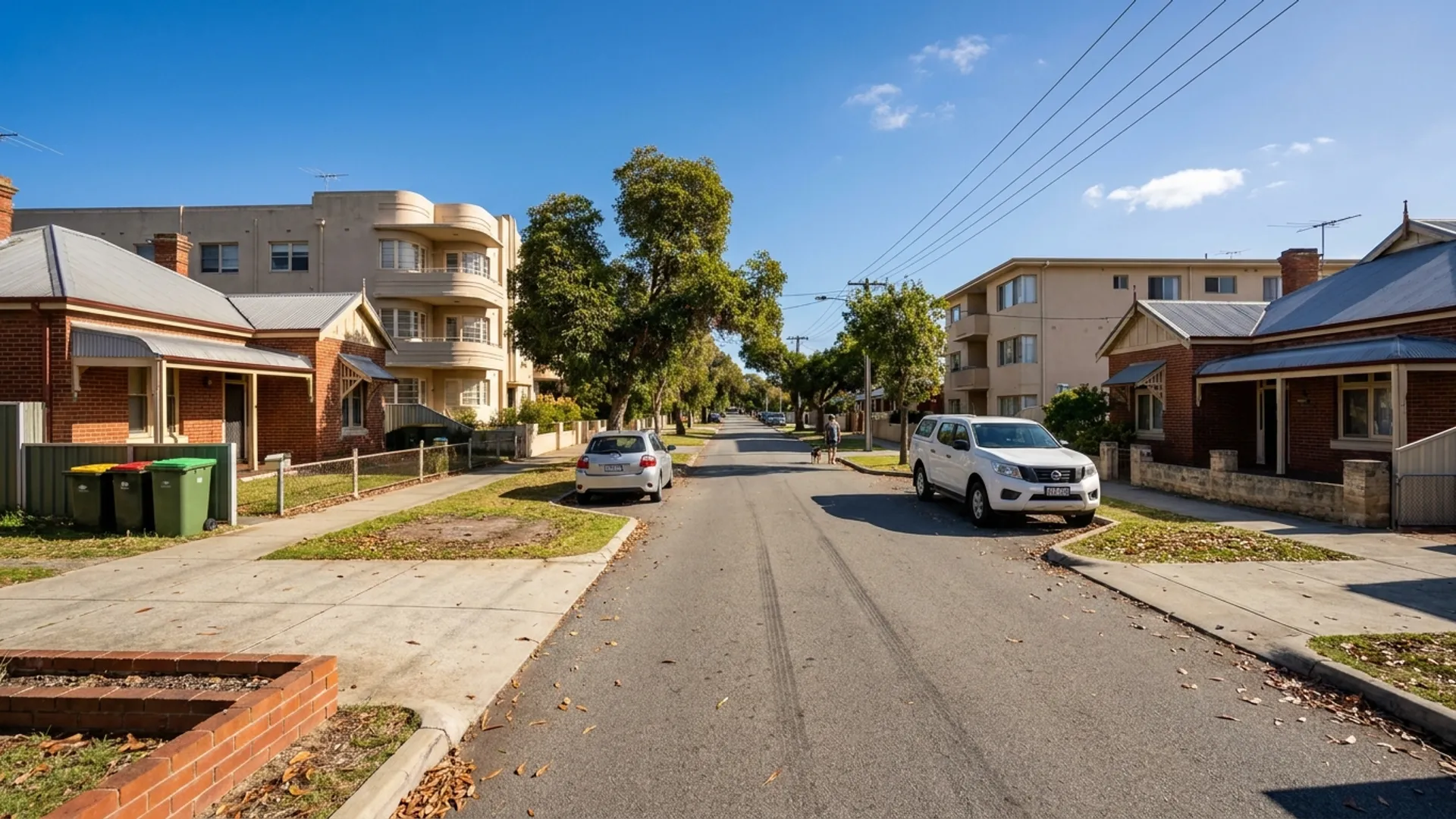
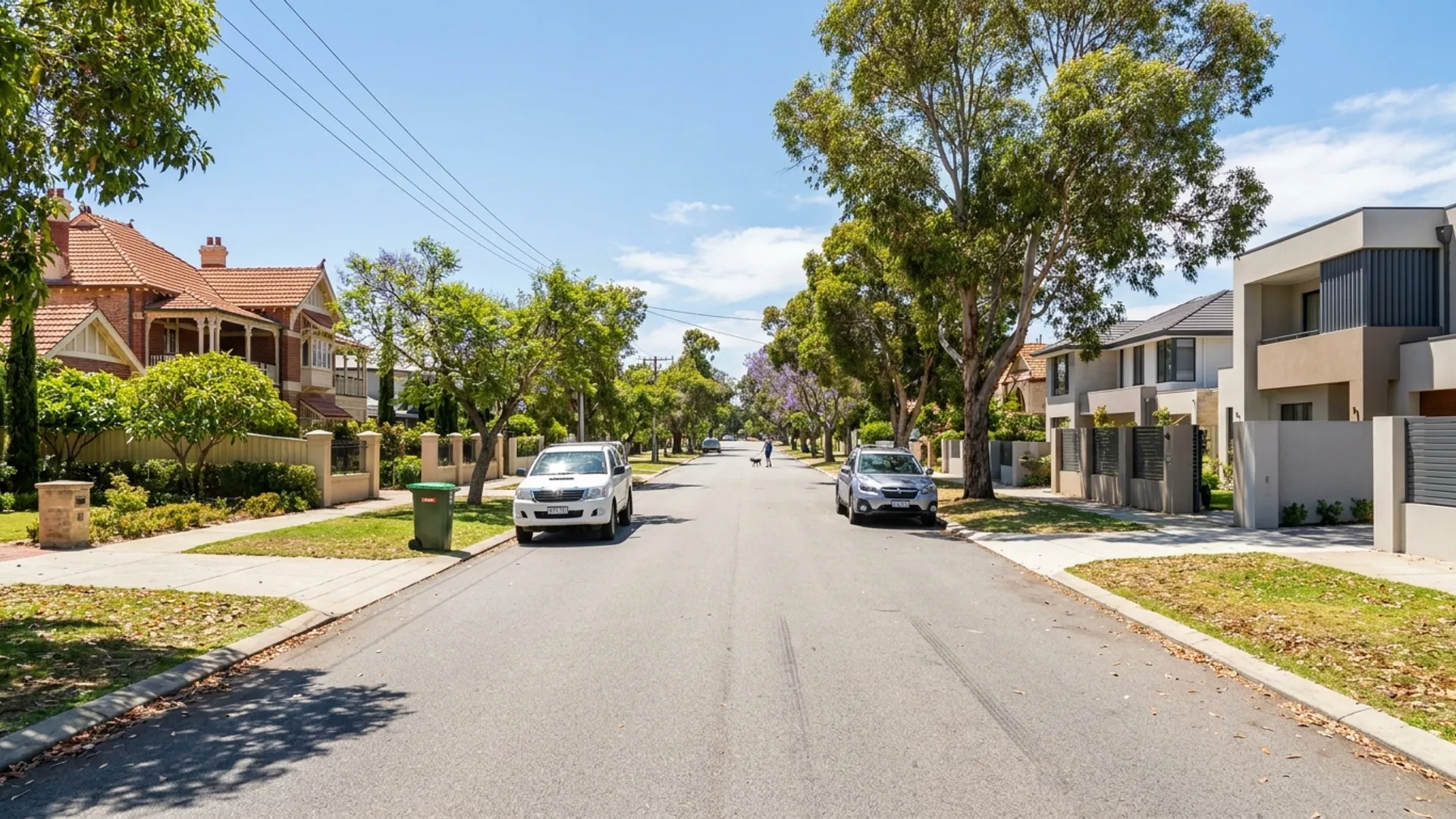
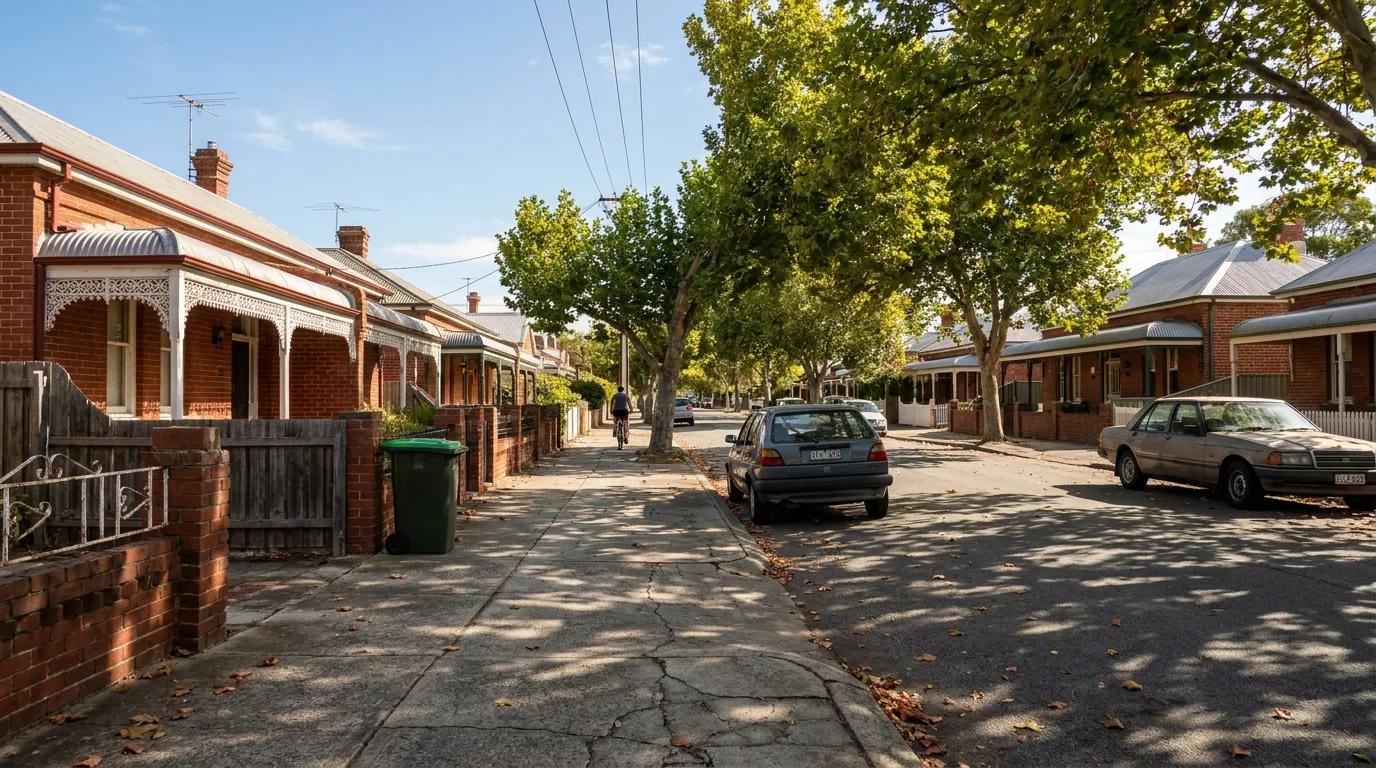
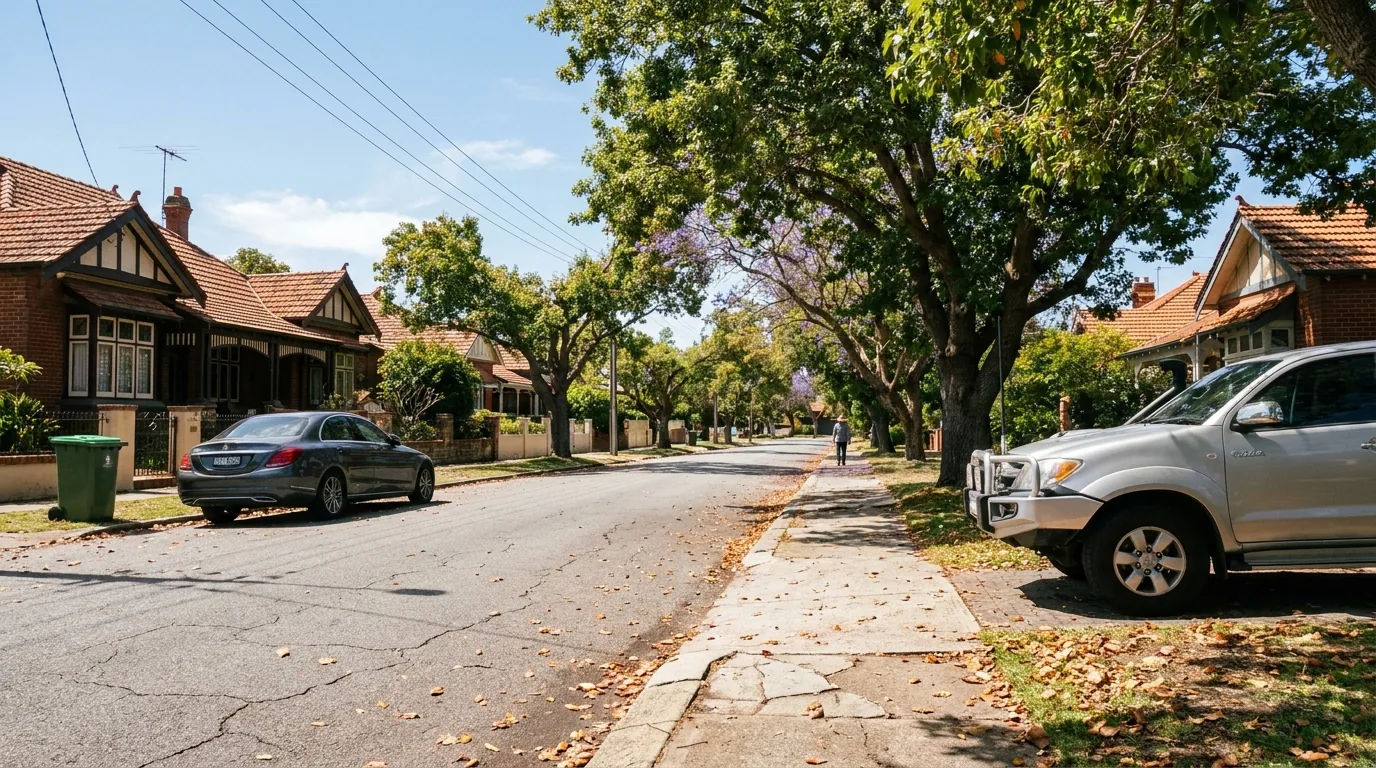
Perth's inner suburbs are unlike anywhere else in the metro area. From Federation-era character homes in Mount Lawley to limestone-footed cottages in Subiaco, modern apartments in South Perth, and heritage conversions in Victoria Park: the construction diversity here demands an inspector who understands historical building methods, not just modern NCC codes.

Our inspectors service Perth CBD, West Perth, East Perth, Subiaco, Mount Lawley, Nedlands, Dalkeith, Claremont, Cottesloe, Victoria Park, and South Perth. We know the difference between a cosmetic renovation and one that's hiding century-old structural issues behind fresh plaster.

Rising Damp & Limestone Foundations

Many character homes in Subiaco, Mount Lawley, and West Perth were built on limestone footings with suspended Jarrah timber floors. When the original Damp Proof Course (DPC) fails, or was never installed, groundwater wicks up through the porous limestone, causing tide-mark staining on interior walls, bubbling paint, and a musty smell. Renovated homes frequently have shiny new plaster masking fretting century-old brickwork underneath.

Termite Pressure from Mature Street Trees

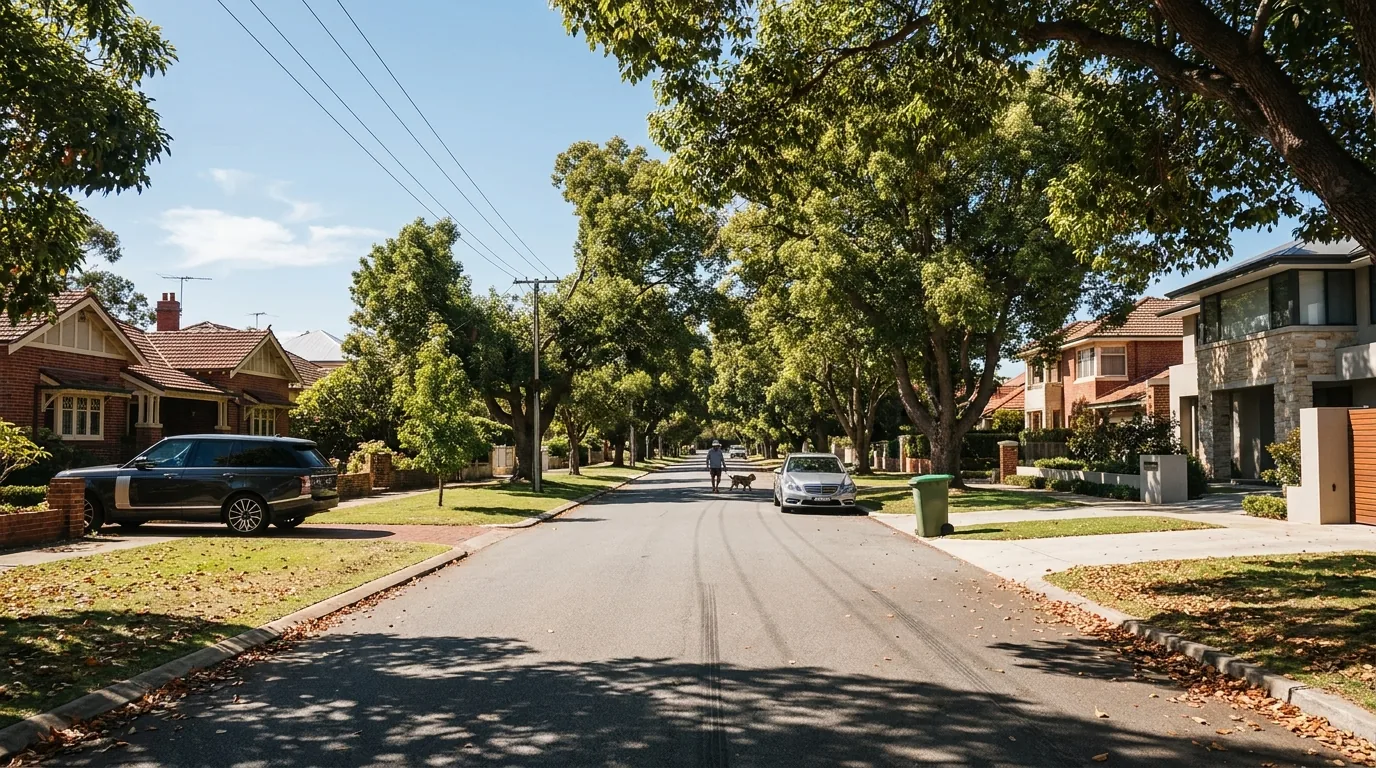
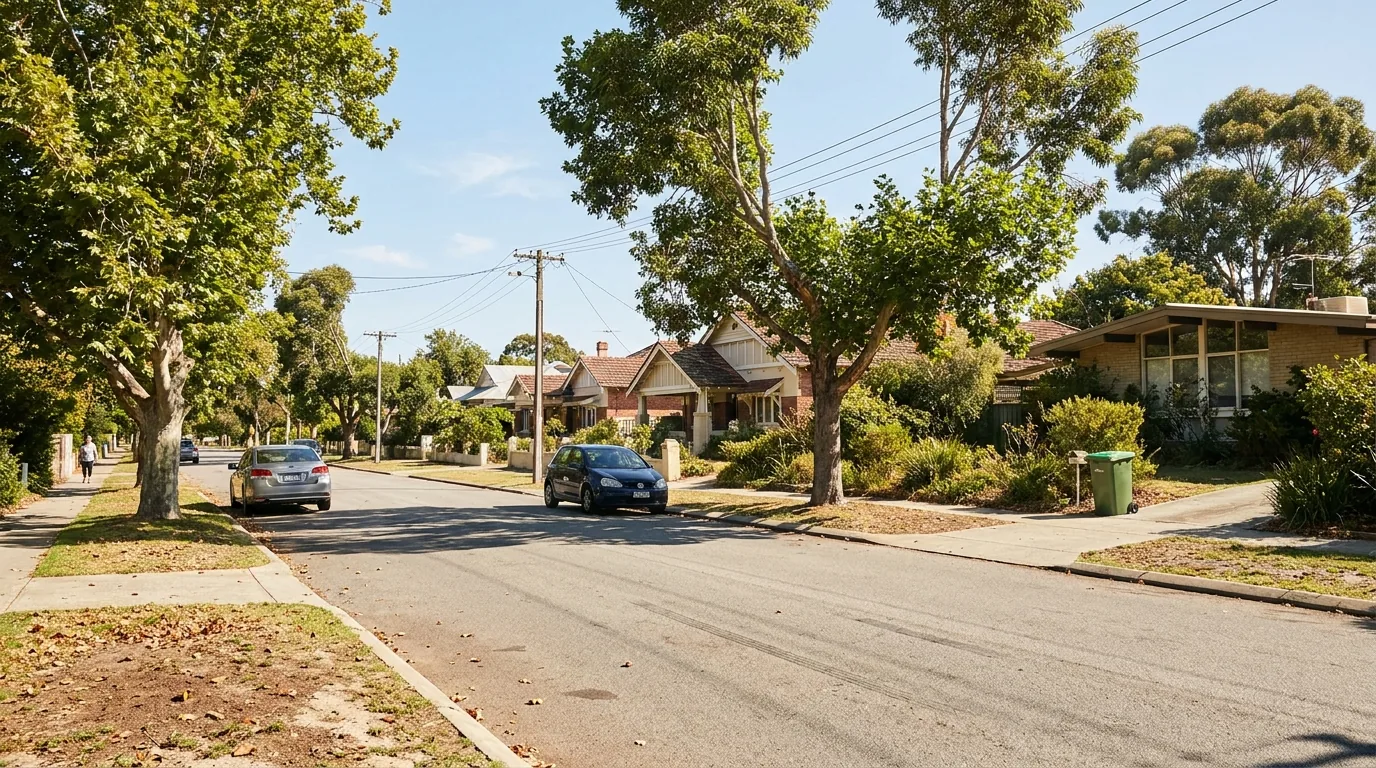
Perth's inner suburbs have some of the most mature street trees in the metro area: century-old Peppermint trees, Tuarts, and eucalypts. These provide ideal harbourage for Coptotermes acinaciformis, the most destructive termite species in Western Australia. Suburbs like Nedlands, Dalkeith, and areas near Kings Park carry extreme termite risk because of this. Our timber pest inspections in Perth's inner suburbs specifically assess for subterranean termite activity originating from mature trees.

Asbestos in Character Homes

Homes built before 1985 in Perth's inner suburbs are likely to contain asbestos materials. In the inner city, the most common products we encounter are Tilux panels (marble-patterned asbestos sheeting in 1960s bathrooms), Hardiflex eaves, enclosed "sleepout" verandahs with fibro sheeting, and Super Six asbestos fencing. Victoria Park has one of the highest concentrations of asbestos-containing homes in the Perth metro, driven by how much of its stock predates 1990 and has never been renovated.

Heritage & Character Home Specific Defects

Collapsing lath-and-plaster ceilings, rusted galvanised plumbing in roof spaces, sagging timber roof frames, fretting mortar between bricks, and timber borer damage in original Jarrah floorboards. These are not defects you'll find in a 2020s new build, and they require a different inspection approach. Our inspectors evaluate heritage construction on its own terms, not against modern building codes that didn't exist when these homes were built.

Modern Apartment & Infill Inspections

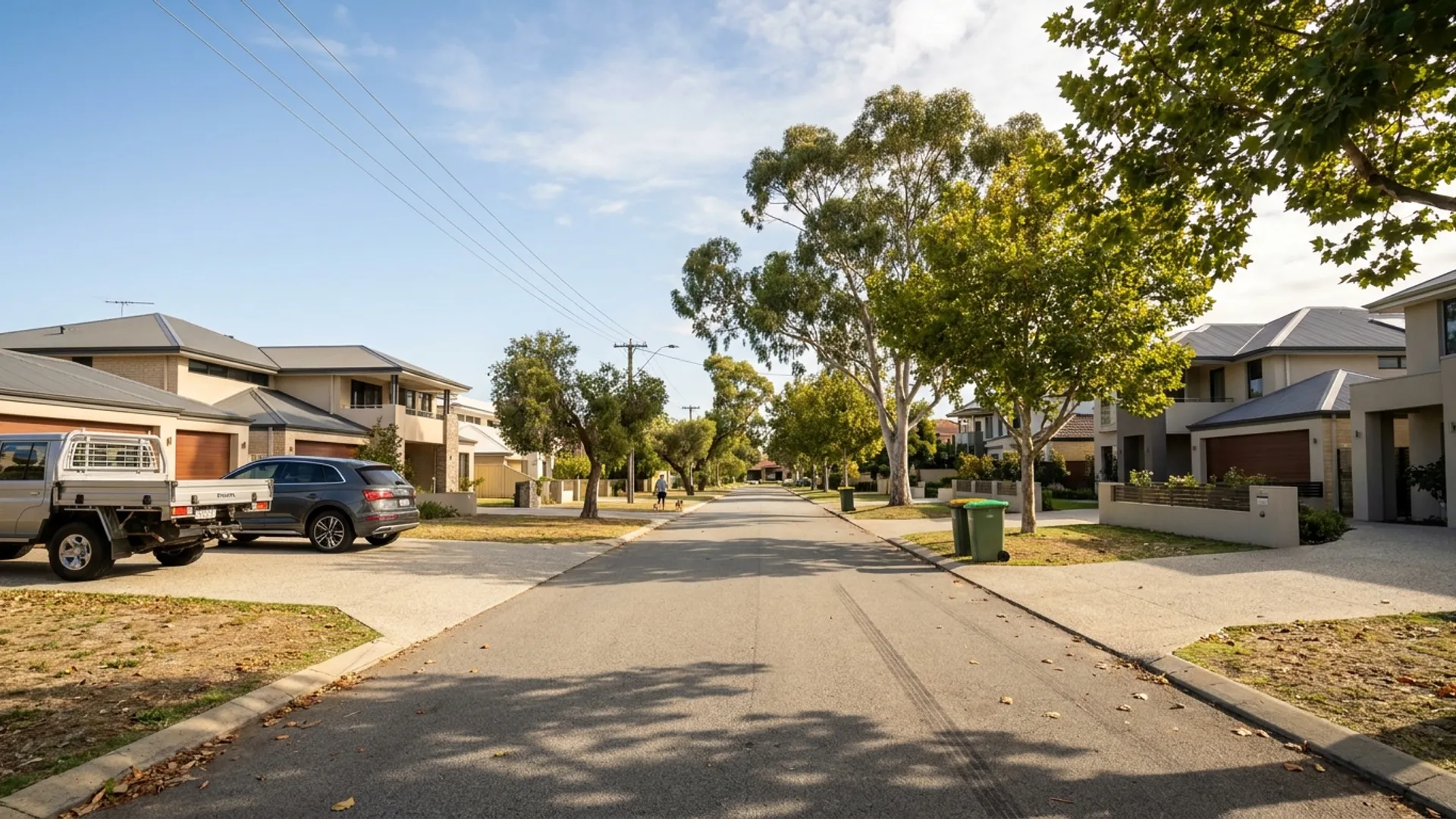
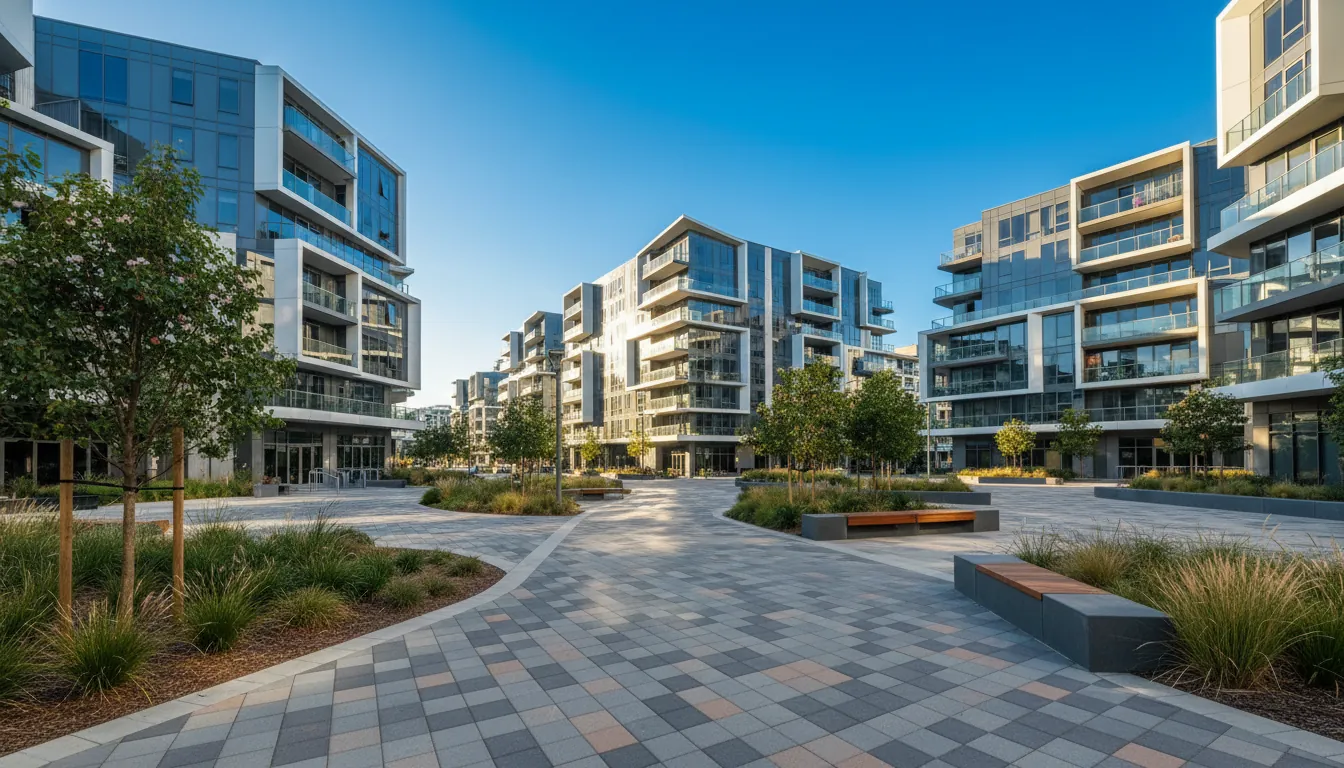
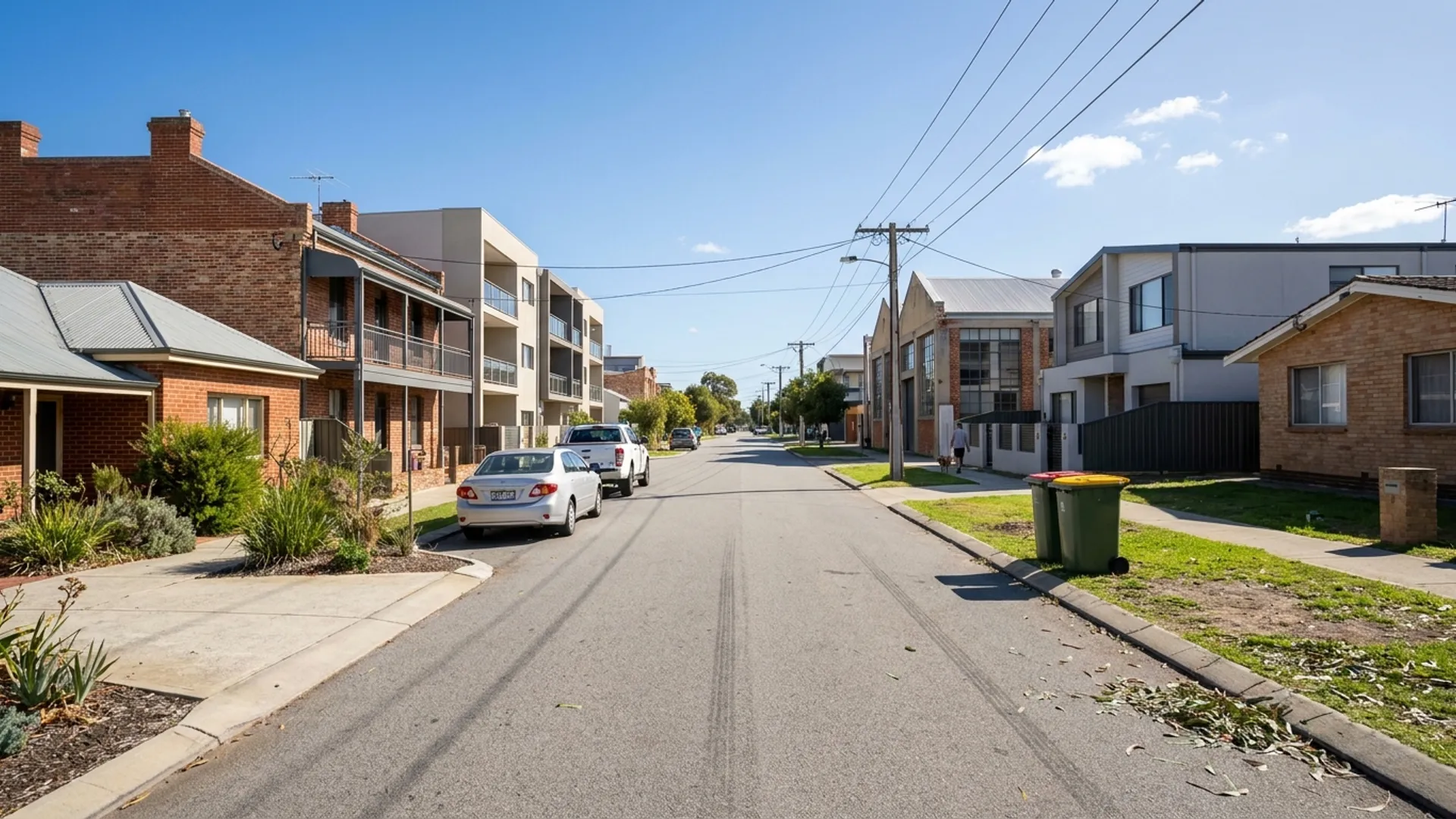
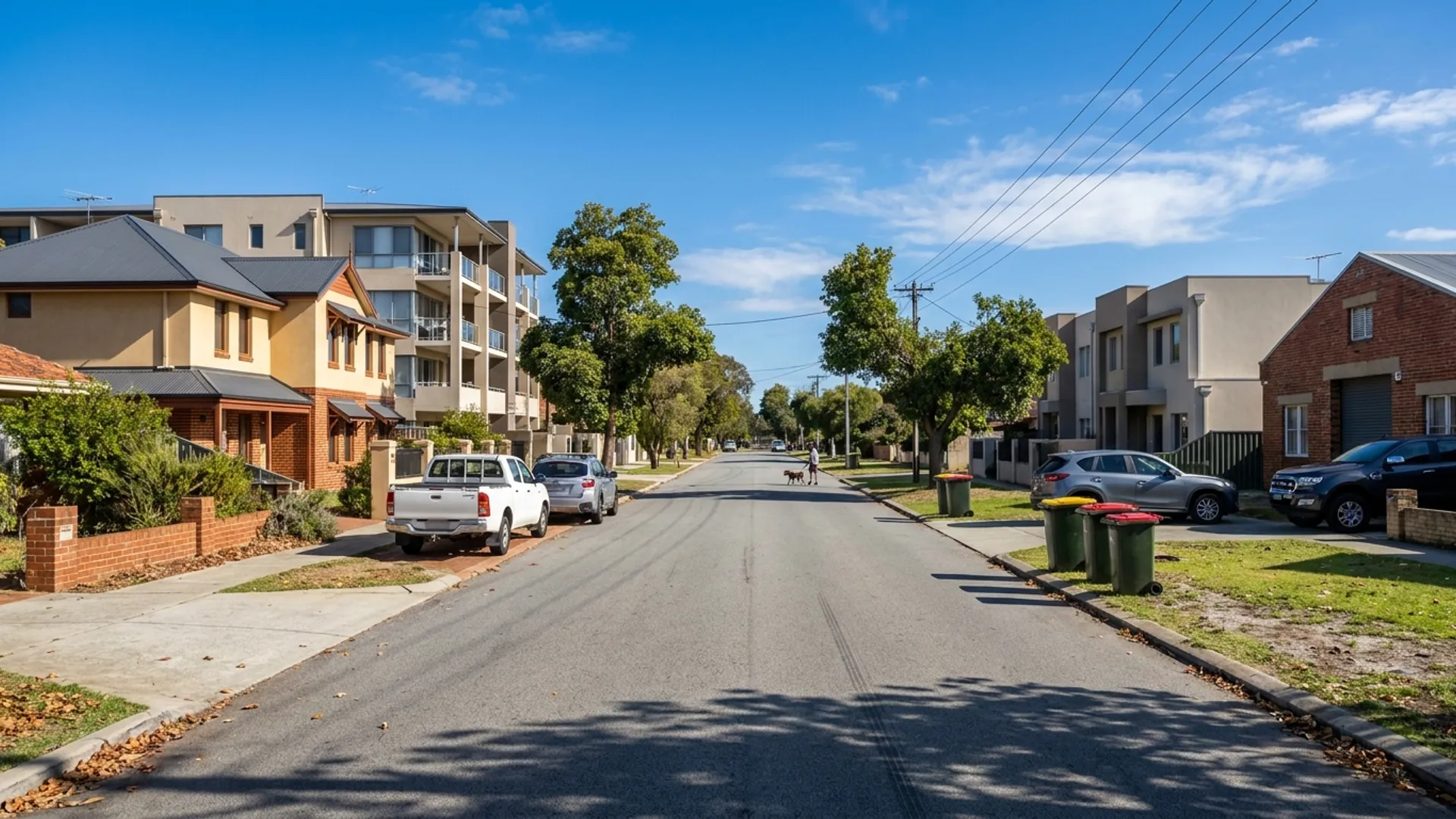
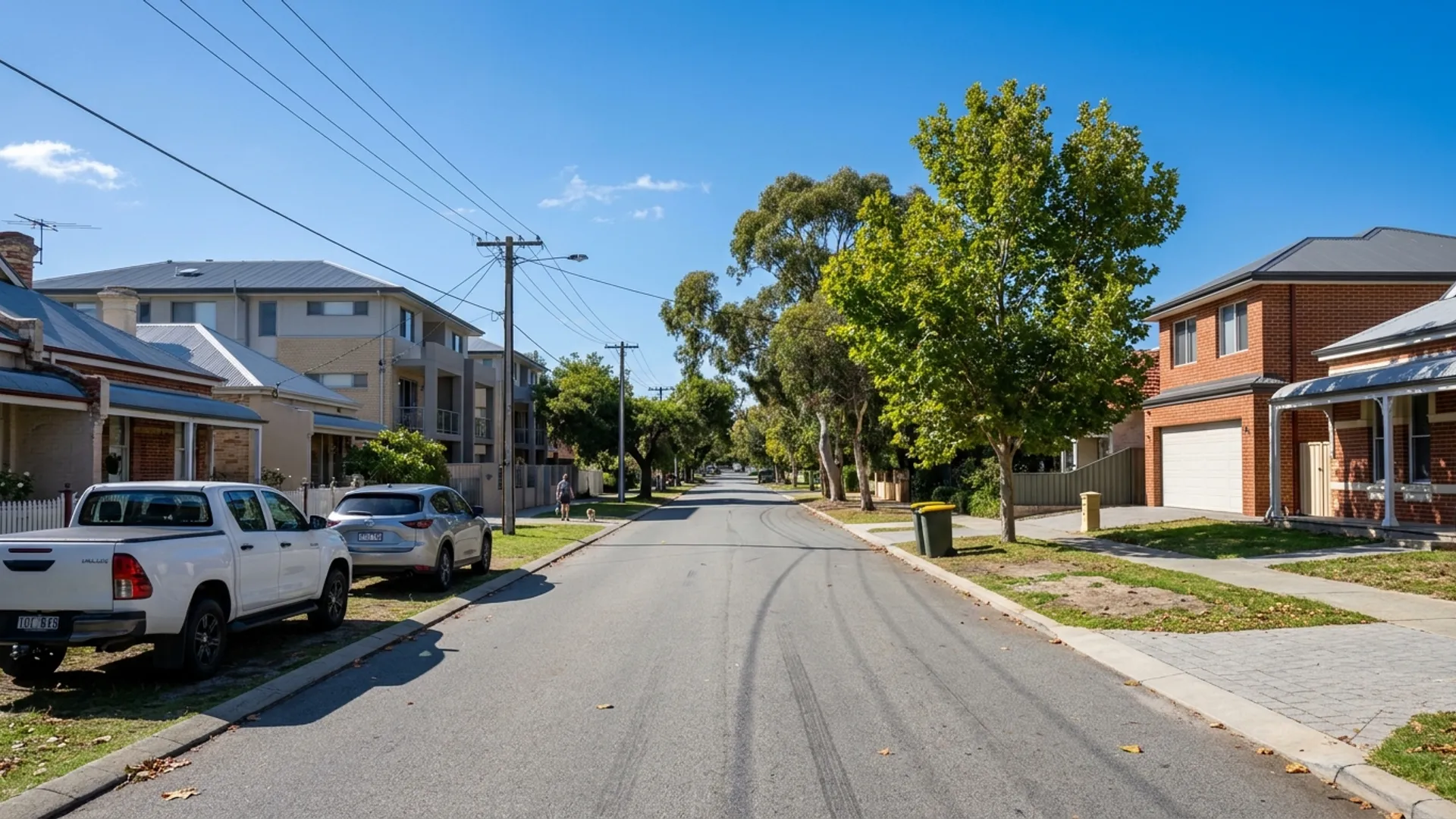
Perth CBD, East Perth, and South Perth have seen a surge of apartment and infill development. For these properties, our inspectors focus on water ingress from poorly sealed high-rise balconies, basement car park leaks (the Swan River water table sits close to the surface in riverside suburbs), fire compliance cladding checks, and complex strata common property vs lot property boundaries.

Our combined building and pest inspections start from $422.

Heritage & Character Home Inspections in Perth

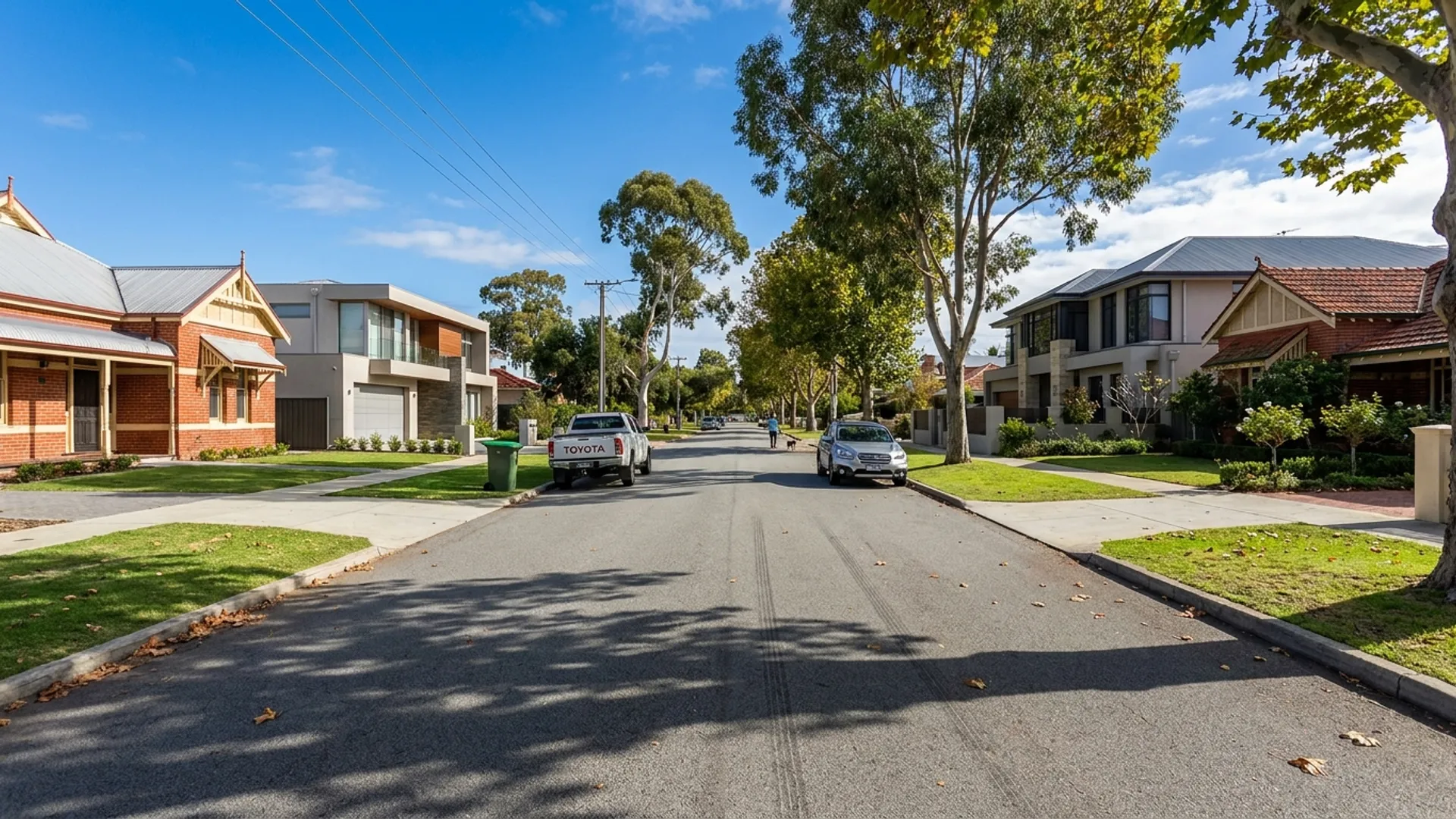
Perth's inner suburbs contain the city's highest concentration of heritage and character homes: Federation-era builds from the 1900s–1920s, interwar bungalows, and post-war cottages, many with Heritage Overlays or character retention provisions under local planning schemes. These homes were built with construction methods that differ fundamentally from modern practice: limestone footings instead of concrete strip footings, lath-and-plaster ceilings instead of plasterboard, and load-bearing masonry walls with lime mortar instead of cement mortar.

Inspecting heritage homes against modern NCC codes misses the point. Limestone footings crack differently from concrete. Lath-and-plaster ceilings sag and delaminate rather than crack in straight lines. Jarrah framing is termite-resistant but not termite-proof, and after a century of service, even Jarrah develops structural fatigue. Our building inspections assess heritage construction on its own terms, identifying the defects that actually matter for the building's structural integrity and your purchase decision.

Residential Pest Control in Perth's Inner Suburbs

Perth's inner suburbs carry some of the highest pest pressure in the metro area. The century-old Peppermint trees, Tuarts, and eucalypts that line streets in Mount Lawley, Nedlands, Dalkeith, and Subiaco provide ideal harbourage for Coptotermes acinaciformis, the most destructive subterranean termite species in Western Australia. These termites forage up to 100 metres from their nest, easily reaching homes from street trees, park trees, and old stumps in neighbouring yards.

Beyond termites, the dense tree canopy and older housing stock create ideal conditions for spiders (particularly Redbacks in sub-floor spaces and sheds), cockroaches in aging plumbing cavities, and rodents exploiting gaps in century-old roof structures. Anobiid borers target original Jarrah floorboards in suburbs like Claremont and Victoria Park. Our pest control services cover the full range of residential pests across Perth's inner suburbs, with treatments starting from $189.

Book Your Perth Inner Suburbs Inspection

Whether you're buying a $600k East Perth apartment or a $5M Dalkeith mansion, our inspectors bring genuine local knowledge of Perth's inner suburbs, not a generic checklist. We understand the construction eras, the soil conditions, and the pest risks specific to each suburb in this zone.
Two inspectors cover Perth, and you get the one who works your side of the river

There is no dispatch queue at PinPoint. Sky owns the business and covers more of the north, Dale covers more of the south, and one of them is inspecting your Perth CBD & Inner Suburbs property. Whoever it is also writes your report and takes your debrief call, so there is nobody to hand you off to.

0481 575 747
  • Sky McRae, owner and lead inspectorCert III Pest Management and a WA Department of Health pest management licence. Over 20 years in the construction industry. Covers more of the north.
  • Dale Dewar, inspectorTen years in the trade, five years inspecting, over 3,000 inspections of his own. Covers more of the south.
  • Over 10,000 inspections between themBuilding and pest, counted across their whole careers. It is why the report tells you what matters and not just what is there.
  • Report in 24-48 hours, then a callPhotos, thermal images, defect grading and a summary. The debrief call is free and it is where you find out what the findings mean for your offer.

What we pay attention to across Perth CBD & Inner Suburbs

The ground, the housing stock and the pest pressure differ across Perth. This is what shapes an inspection in this part of it.

Soil Type

Spearwood Dunes (sand with limestone). Near Swan River: elevated water tables

Housing Era

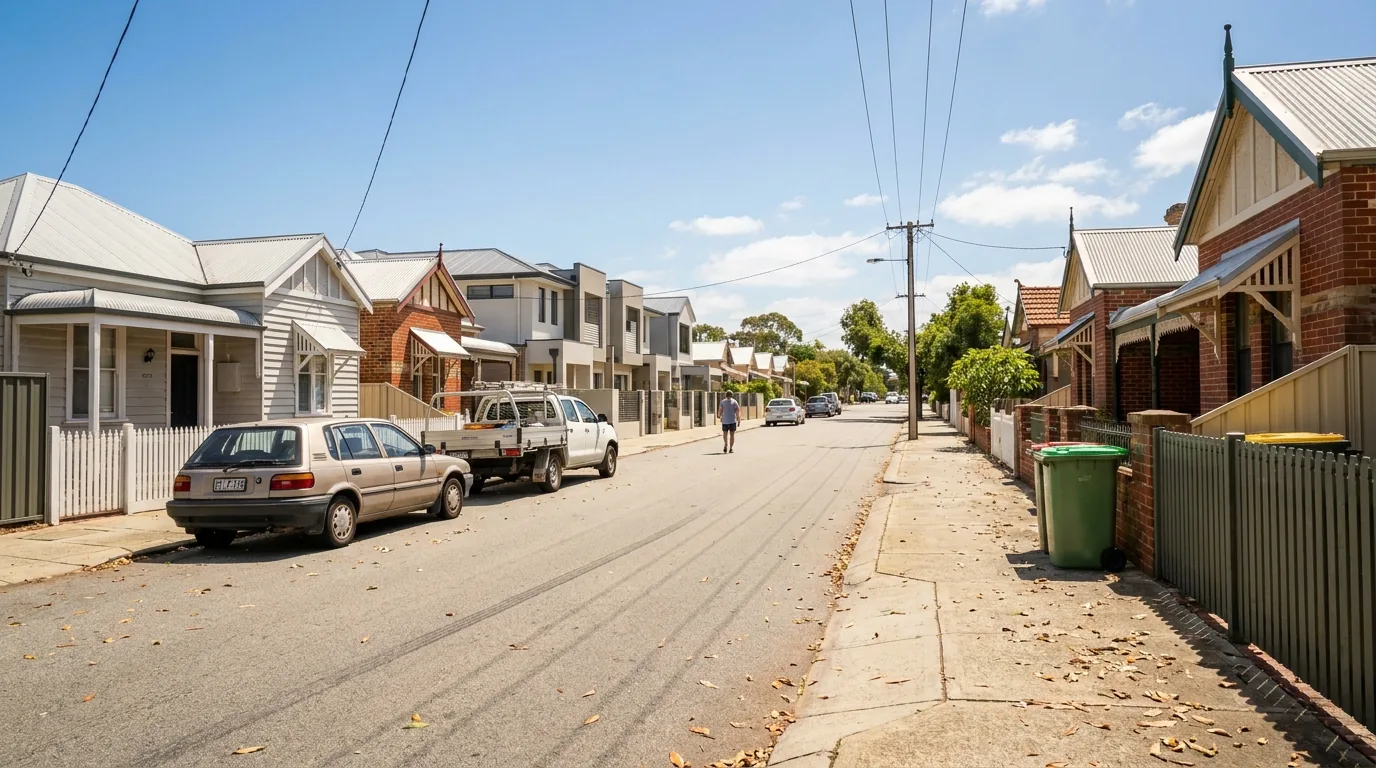
1890s–1950s Federation & Character homes mixed with modern luxury infill and high-rise apartments

Pest Risk Level

High: Coptotermes acinaciformis from mature street trees. Borers (Anobiid) in antique Jarrah floorboards

Asbestos Risk

Moderate to High: homes built before 1985 are likely to contain asbestos materials including Tilux panels, fibro sheeting, and Super Six fencing

Asbestos likelihood is our reading of the suburb's dominant construction era, not a survey of individual homes. National guidance is that a home built or renovated before 1987 is highly likely to contain asbestos materials, 1987 to 1990 likely, and after 1990 unlikely (Asbestos Awareness). Asbestos was phased out by 1990 and banned outright in 2003 (ASSEA). Only a licensed assessor and a NATA lab can confirm asbestos in a specific property.

Suburbs we cover in Perth CBD & Inner Suburbs

Pick a suburb for what we look at on a property there, plus local pricing and booking.

Claremont

Karrakatta Sand over Tamala Limestone: well-drained sandy soils with limestone at shallow depth, particularly along the Freshwater Bay escarpment. Significant heritage stock 1900s–1940s (Federation and Inter-war), 1960s infill apartments, 2000s–2020s luxury townhouse and apartment development. Pest risk: moderate-high. freshwater bay foreshore and mature established gardens create significant coptotermes termite corridors. lake claremont reserve is a major pest source.

View Claremont

Como

Bassendean Sand (majority of suburb) transitioning to alluvial deposits near the Canning River foreshore. Sandy soils with low reactivity but high water table near waterways. 1950s–1970s brick-and-tile (dominant), 1980s–1990s villa/triplex infill, 2000s+ apartment development near Canning Bridge and along Manning Road. Pest risk: moderate-high. canning river and collier park create significant pest corridors. established suburb with mature trees throughout.

View Como

Cottesloe

Quindalup Dunes (coastal limestone sand) in Cottesloe: highly corrosive for steel. Spearwood Dunes inland in Claremont. Mix of pre-war character homes, 1970s–1990s builds, and modern luxury infill. Strata units common. Pest risk: moderate: less termite pressure than inland suburbs, but anobiid borers in original jarrah floors (claremont).

View Cottesloe

Dalkeith

Karrakatta Sand over Tamala Limestone, deep sandy soils with limestone outcrops along the river escarpment. Some alluvial deposits near Swan River foreshore. 1930s–1960s original stock (substantial family homes), heavy knock-down rebuild activity 2000s–present with architect-designed luxury homes. Pest risk: high: extensive mature tree canopy, irrigated gardens, swan river proximity all create sustained coptotermes acinaciformis pressure.

View Dalkeith

East Perth

Alluvial clay and sand deposits along the Swan River floodplain. Variable fill in reclaimed industrial land (Claisebrook, WACA precinct). Three distinct eras: 1890s–1920s workers cottages (Royal Street precinct), 1990s–2000s urban renewal apartments (Claisebrook), 2010s+ high-rise (riverside). Pest risk: moderate: swan river proximity creates moisture-driven pest pressure. subterranean termite risk in heritage timber-framed homes near queens gardens.

View East Perth

Highgate

Bassendean Sand: deep, well-drained sandy soils with occasional clay lenses at depth. Low reactivity but poor load-bearing capacity for heavy structures. Predominantly 1890s–1930s heritage stock (Federation cottages, workers homes), 1960s–1970s walk-up flats, 2000s+ infill apartments and townhouses. Pest risk: moderate-high. hyde park creates significant termite and pest corridor. mature trees throughout suburb. high rental turnover means pest issues often go unreported.

View Highgate

Mosman Park

Tamala Limestone with Karrakatta Sand overlay: shallow limestone on the ridge, deeper sand toward the river. Limestone outcrops visible in older properties and road cuttings. Mix of 1920s–1950s character homes (limestone and weatherboard), 1960s–1970s brick homes, and 2000s+ luxury rebuilds. Heritage protection overlays on significant stock. Pest risk: high: swan river foreshore, mature trees throughout, proximity to minim cove parkland. coptotermes active throughout.

View Mosman Park

Mount Lawley

Bassendean Dunes (grey quartz sand), stable for foundations but high winter water table in some areas. 1910s Federation era with heavy Heritage Overlays. The Avenues precinct is the most character-dense area. Pest risk: extreme: extremely high coptotermes acinaciformis risk from mature trees. old galvanised plumbing in roof spaces.

View Mount Lawley

Nedlands & Dalkeith

Spearwood Dunes (sand with limestone). Near Swan River: unexpectedly high winter water tables causing cellar/garage flooding. 1930s mansions blended with $5M+ architectural new builds. Large block sizes with mature gardens. Pest risk: high. extreme coptotermes acinaciformis risk from century-old peppermint and tuart street trees.

View Nedlands & Dalkeith

Northbridge

Bassendean Sand transitioning to Karrakatta Sand: deep sandy soils with good drainage, but variable compaction in former industrial/commercial fill areas. 1900s–1930s heritage commercial/residential mix, 1970s walk-ups, 2000s–2020s medium-density apartments and mixed-use. Pest risk: moderate. high cockroach and rodent pressure from food/entertainment district. heritage buildings with sub-floor voids attract redback spiders.

View Northbridge

Perth CBD / West Perth / East Perth

Spearwood Dunes (sand with limestone). Near Swan River: elevated water tables causing basement flooding. Mixed: high-density strata apartments, commercial-to-residential conversions, 2000s–2020s townhouses. Pest risk: moderate: coptotermes from parkland trees. reduced ground-level exposure in high-rise but present in townhouses.

View Perth CBD / West Perth / East Perth

South Perth

Spearwood Dunes (sand with limestone). Elevated water table near the river in winter. Predominantly 1960s brick-and-tile being replaced by modern apartments. Mix of established homes and new infill. Pest risk: high: coptotermes acinaciformis from mature parkland trees. river proximity provides moisture for termites.

View South Perth

Subiaco

Spearwood Dunes (sand with limestone outcrops). Limestone footings on character homes prone to rising damp. 1900s–1920s Character/Federation homes, with 2010s infill and Subi Centro modern development. Pest risk: high: coptotermes acinaciformis from mature street trees. zero-lot boundary walls make exterior termite inspections difficult.

View Subiaco

Victoria Park

Bassendean Dunes (grey quartz sand): stable foundations but high winter water table near the river. 1920s timber-framed weatherboards, rare for Perth. Raphael Park Precinct is the most concentrated area. Pest risk: extreme: timber-framed homes highly vulnerable to coptotermes. intense sub-floor inspections required.

View Victoria Park

West Perth

Karrakatta Sand over Tamala Limestone, shallow limestone at variable depths, well-drained but creates foundation challenges on sloping sites. Mixed: 1900s–1930s character homes (Kings Park end), 1960s–1980s walk-up apartments, 2000s–2020s infill townhouses and office-to-residential conversions. Pest risk: moderate. kings park proximity creates significant termite corridor. coptotermes acinaciformis forage from mature eucalyptus into adjacent residential.

View West Perth

Ready to Buy With Confidence?

5-star rated building and pest inspections across Perth. Book now - report in your inbox within 24-48 hours.

Call 0481 575 747

Money-back guarantee on building inspections, within 60 days · No obligation quote

Call Sample Book Now