Servicing All Perth Metro - Two Rocks to Mandurah| Open 7 Days · Book Online 24/7
Building and pest inspections in Scarborough & Coastal

Building & Pest Inspections

Building and Pest Inspections in Scarborough & Coastal

5-star rated building and pest inspections across Perth. Servicing Scarborough & Coastal with local inspectors who know your area.

0481 575 747
10,000+

Inspections Completed

Cert III

Pest Management (Owner)

24-48

Hour Report Turnaround

5.0

Google Rating (200+ Reviews)

Pre-Purchase Building & Pest Inspections in Scarborough & Perth's Coastal Inner North

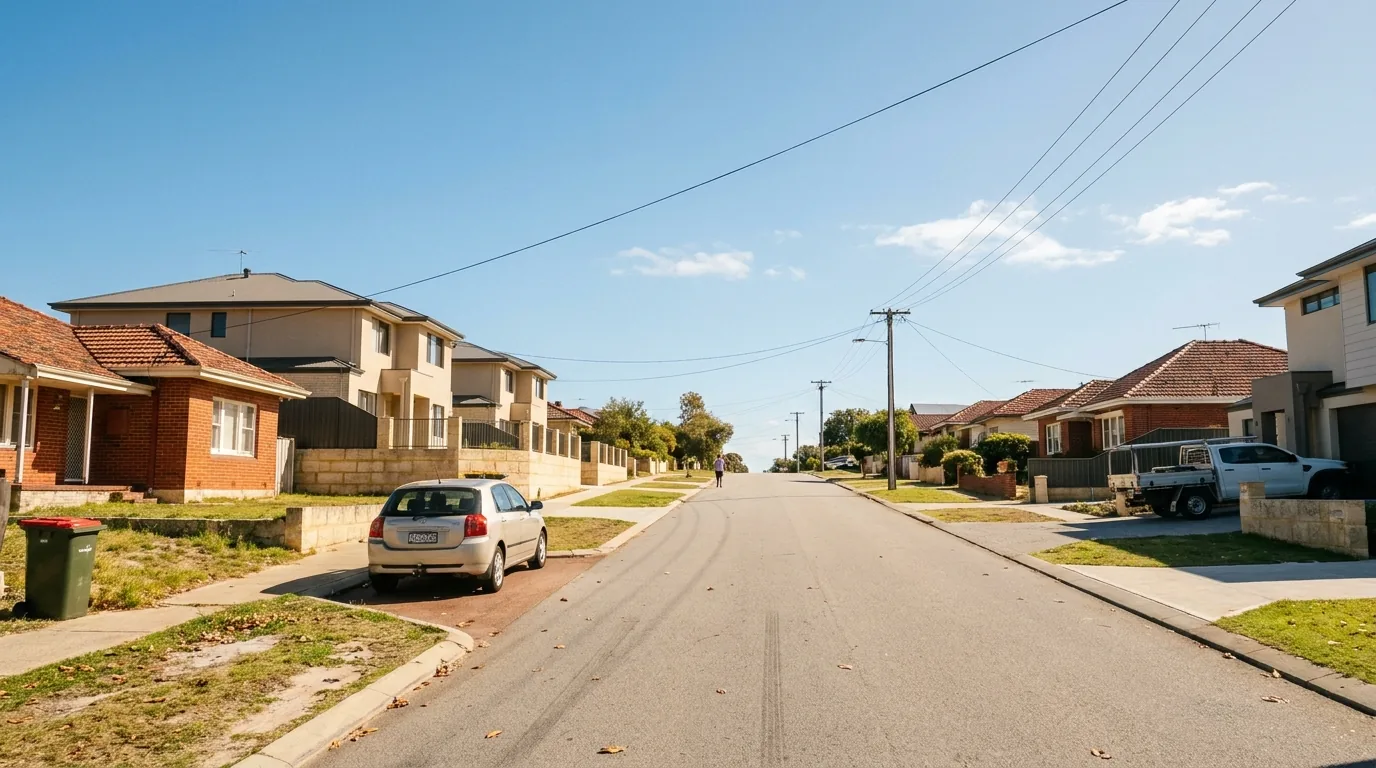
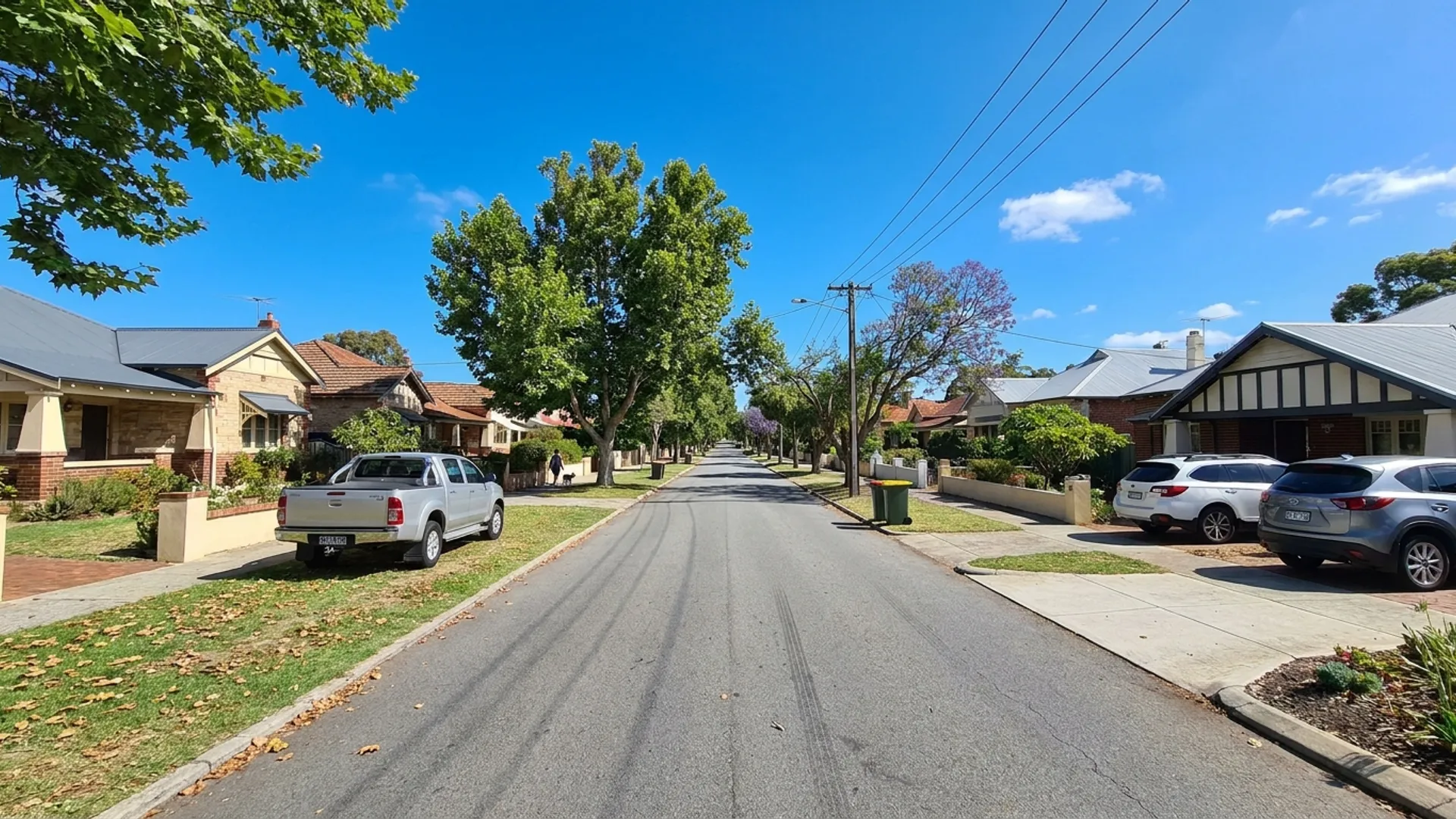
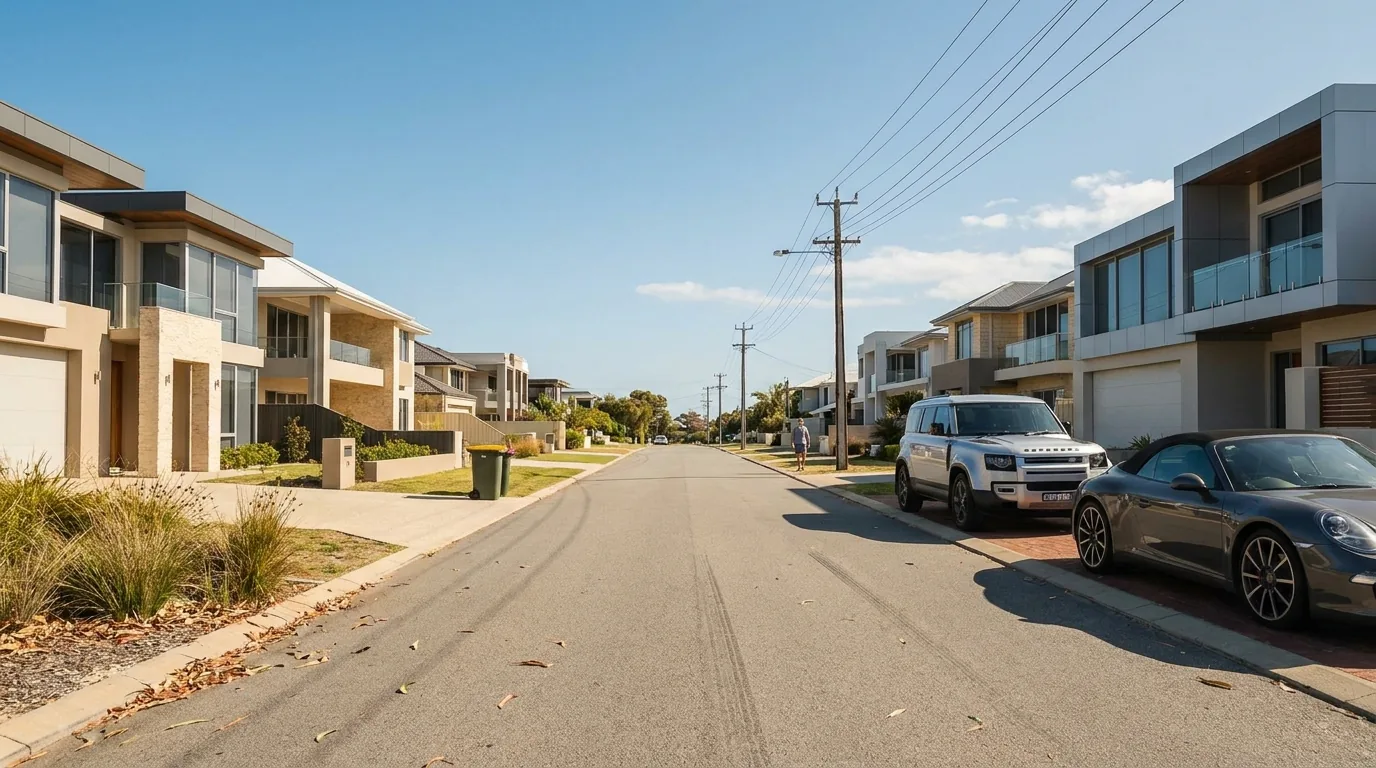
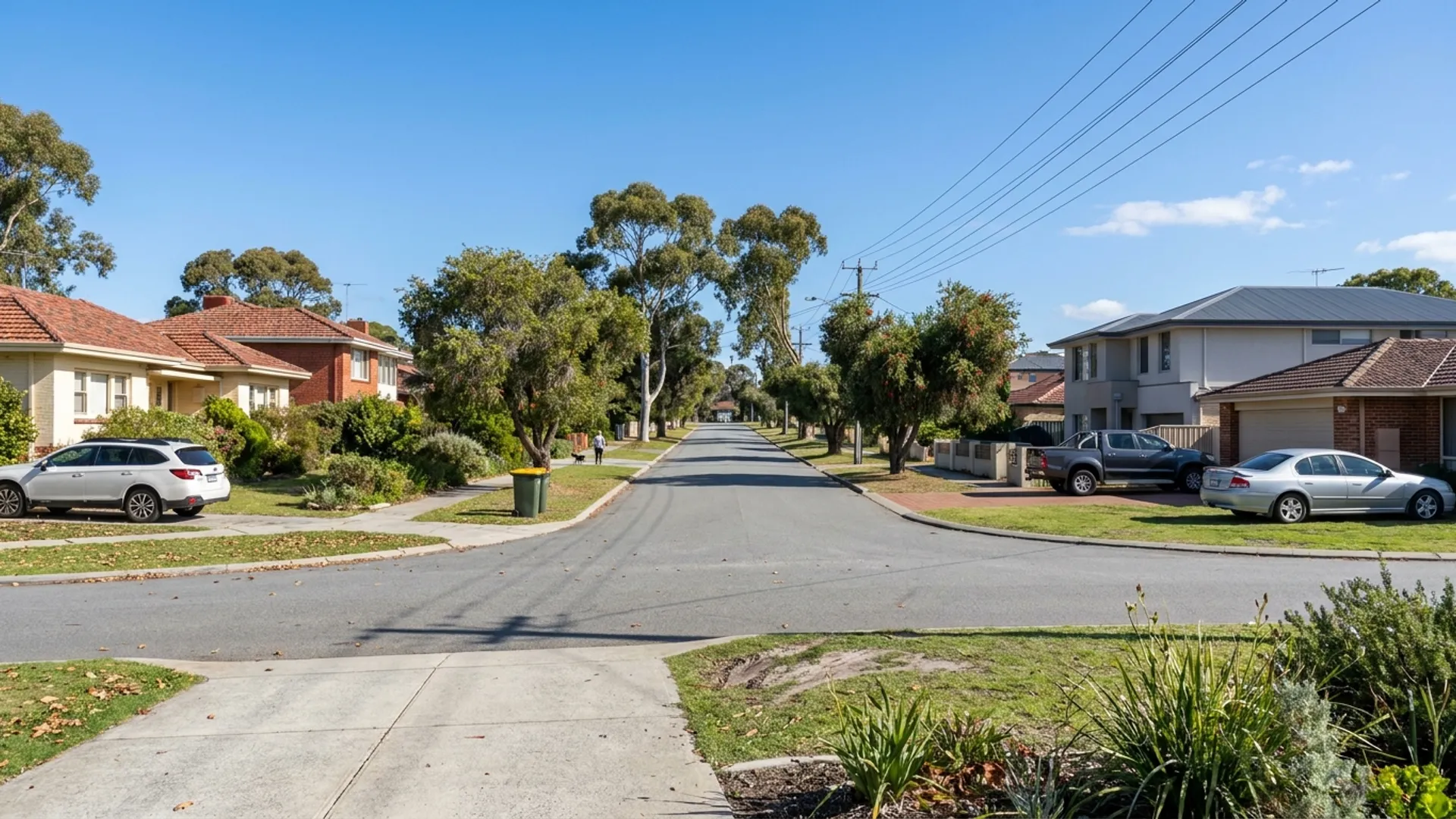
Scarborough and the surrounding coastal inner-north suburbs sit on undulating Spearwood Dunes: hilly terrain where 1960s post-war homes are being rapidly subdivided into modern triplexes and infill developments. The inspection challenges here centre on retaining wall failures from steep block cuts, masked defects from cosmetic "flip" renovations, and the highest concentration of strata/villa development in the metro area.

Our inspectors service Scarborough, Doubleview, Innaloo, Nollamara, Karrinyup, Stirling, Osborne Park, Tuart Hill, Wembley Downs, Dianella, Mount Hawthorn, Trigg, Yokine, Balcatta, and Morley. We understand how the terrain, construction era, and location combine to create different risk profiles, even between adjacent suburbs.

Retaining Wall Failures

Doubleview and Scarborough's undulating Spearwood sand dunes mean many properties sit on steeply cut blocks. Retaining walls, particularly limestone block walls, degrade over time, and failures can compromise the structural integrity of the home above. This is the number one structural issue we encounter in Doubleview. Our inspectors assess retaining wall condition, drainage behind the wall, and any evidence of movement.

Flipped Homes Hiding Structural Issues

Scarborough and Innaloo have seen a wave of cosmetic "flips": investors buying 1960s–1970s stock, applying fresh plaster, paint, and new kitchens, then reselling. These renovations frequently hide poor structural alterations behind fresh finishes. Rendered brickwork can mask severe cracking. New flooring can hide uneven slabs. Our inspectors know what to look for beneath the surface, because in this zone, what you can't see matters more than what you can.

Triplex & Villa Strata Issues

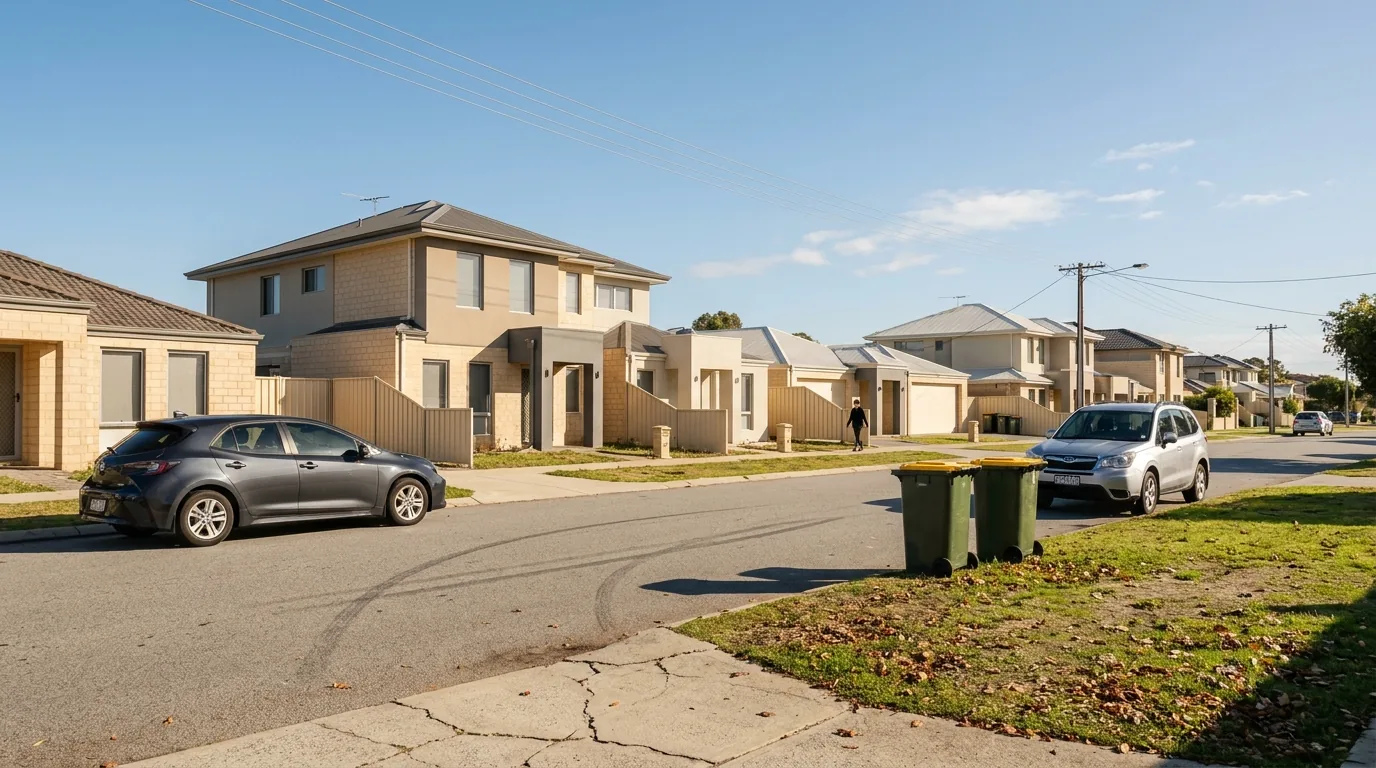
Innaloo and Nollamara are Perth's "triplex and villa capitals." The 1990s–2010s infill boom produced thousands of strata units sharing roof spaces, common walls, and boundary services. Common issues include poor acoustic and fire separation in shared roof spaces, stormwater soakwell failure on fully paved blocks (water has nowhere to go, causing subsidence under driveways and exterior walls), and unclear common property versus lot boundaries.

Concrete Roof Tile Failure

Karrinyup and Stirling feature large 1980s family homes with concrete roof tiles that are now at their 25–35 year failure point. The factory glaze has worn off, tiles absorb winter rain, and the additional weight causes pine roof trusses to sag. Karrinyup borders major golf courses, adding severe termite pressure from irrigated turf and mature trees, so roof access for inspection is particularly important in this suburb.

Extreme Termite Risk Near Bush Reserves

Dianella borders massive bush reserves near the broadcasting towers, one of Perth's most aggressive termite corridors. Properties backing onto these reserves face year-round Coptotermes acinaciformis activity from large eucalyptus tree nests. The 1970s–1980s brown-brick homes in Dianella also suffer from widespread fretting mortar, where the cement between bricks degrades and crumbles.

Asbestos Across the Zone

The Scarborough and inner-north zone has high asbestos prevalence in original stock. Homes built before 1985 in Nollamara, Innaloo, and Osborne Park are particularly affected: Hardiflex eaves, enclosed "sleepout" verandahs with fibro sheeting, and vinyl floor tiles with asbestos-containing adhesive in 1970s kitchens. Osborne Park's proximity to industrial zones also warrants awareness of potential environmental and soil contamination in some areas.

Our combined building and pest inspections start from $422.

Timber Pest & Annual Termite Inspections in Scarborough & Coastal Inner North

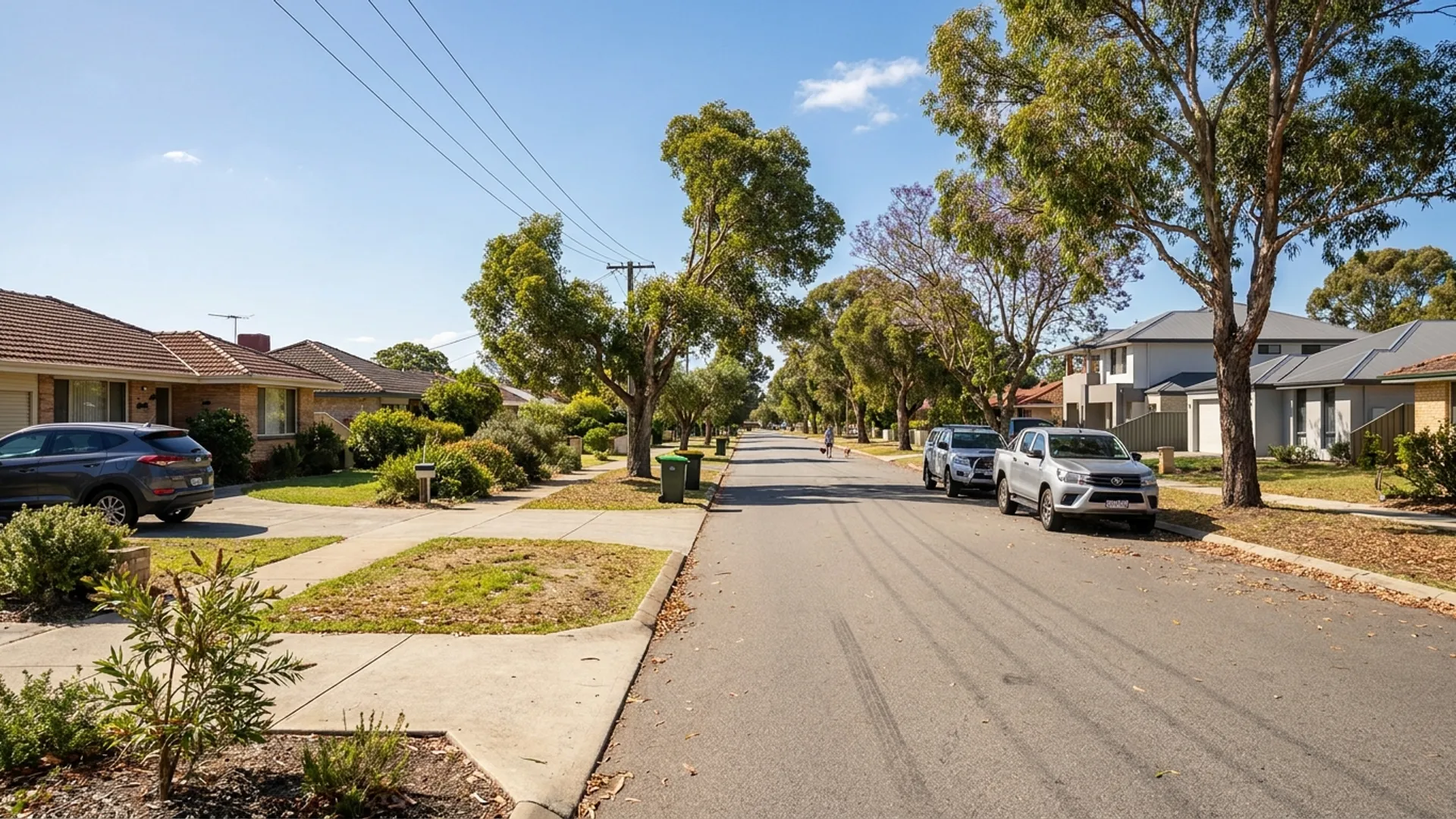
The Scarborough and coastal inner-north zone carries a different timber pest profile to Perth's newer estates. Rather than construction-stage risk, the threat here comes from decades of mature tree growth surrounding established homes. Karrinyup's golf course corridors, Dianella's bush reserves, and the century-old street trees lining suburbs like Mount Hawthorn and Yokine all harbour Coptotermes acinaciformis, the most destructive subterranean termite species in Western Australia. These termites forage up to 100 metres from their nest, easily reaching homes from trees in neighbouring reserves and council verges.

In established suburbs like Stirling, Balcatta, and Wembley Downs, hardwood roof frames from 1960s–1980s builds provide attractive feeding sites once termites breach the property. Homes that have had garden beds built against external walls, common in this zone's older family properties, create concealed entry points that bypass visual detection. Annual termite inspections are essential for any property in this corridor, particularly those within 50 metres of mature trees or bush reserves. Our timber pest inspections are available from $250.

Residential Pest Control in Scarborough & Perth's Coastal Inner North

The coastal inner-north zone's mix of aging housing stock and established vegetation creates persistent pest pressure year-round. In Innaloo and Osborne Park, aging terracotta drainage systems provide harbourage for German and American cockroaches. These species thrive in the broken junctions and cracked pipes common in 1960s–1970s plumbing. Scarborough and Doubleview's steep block cuts and limestone retaining walls create sub-floor cavities ideal for Redback spiders, which we find consistently in homes with accessible crawl spaces.

Dianella's proximity to bush reserves adds rodent pressure during autumn and winter, as rats migrate from drying bushland toward homes with accessible roof spaces. In Nollamara and Tuart Hill, the high concentration of rental properties means pest issues often go unreported until tenancies change, by which point cockroach and silverfish populations are well established. Our pest control services cover the full range of residential pests across the Scarborough and coastal inner-north zone, with treatments starting from $189.

Book Your Scarborough & Coastal Zone Inspection

Whether you're buying a renovated Scarborough cottage or a modern Innaloo triplex, our inspectors bring genuine knowledge of the coastal inner-north: the terrain, the construction eras, and the risks specific to each suburb in this zone.
Two inspectors cover Perth, and you get the one who works your side of the river

There is no dispatch queue at PinPoint. Sky owns the business and covers more of the north, Dale covers more of the south, and one of them is inspecting your Scarborough & Coastal property. Whoever it is also writes your report and takes your debrief call, so there is nobody to hand you off to.

0481 575 747
  • Sky McRae, owner and lead inspectorCert III Pest Management and a WA Department of Health pest management licence. Over 20 years in the construction industry. Covers more of the north.
  • Dale Dewar, inspectorTen years in the trade, five years inspecting, over 3,000 inspections of his own. Covers more of the south.
  • Over 10,000 inspections between themBuilding and pest, counted across their whole careers. It is why the report tells you what matters and not just what is there.
  • Report in 24-48 hours, then a callPhotos, thermal images, defect grading and a summary. The debrief call is free and it is where you find out what the findings mean for your offer.

What we pay attention to across Scarborough & Coastal

The ground, the housing stock and the pest pressure differ across Perth. This is what shapes an inspection in this part of it.

Soil Type

Spearwood Dunes (Scarborough/Karrinyup): undulating sand with limestone outcrops. Bassendean Dunes (Dianella/Nollamara/Tuart Hill): leached quartz sand

Housing Era

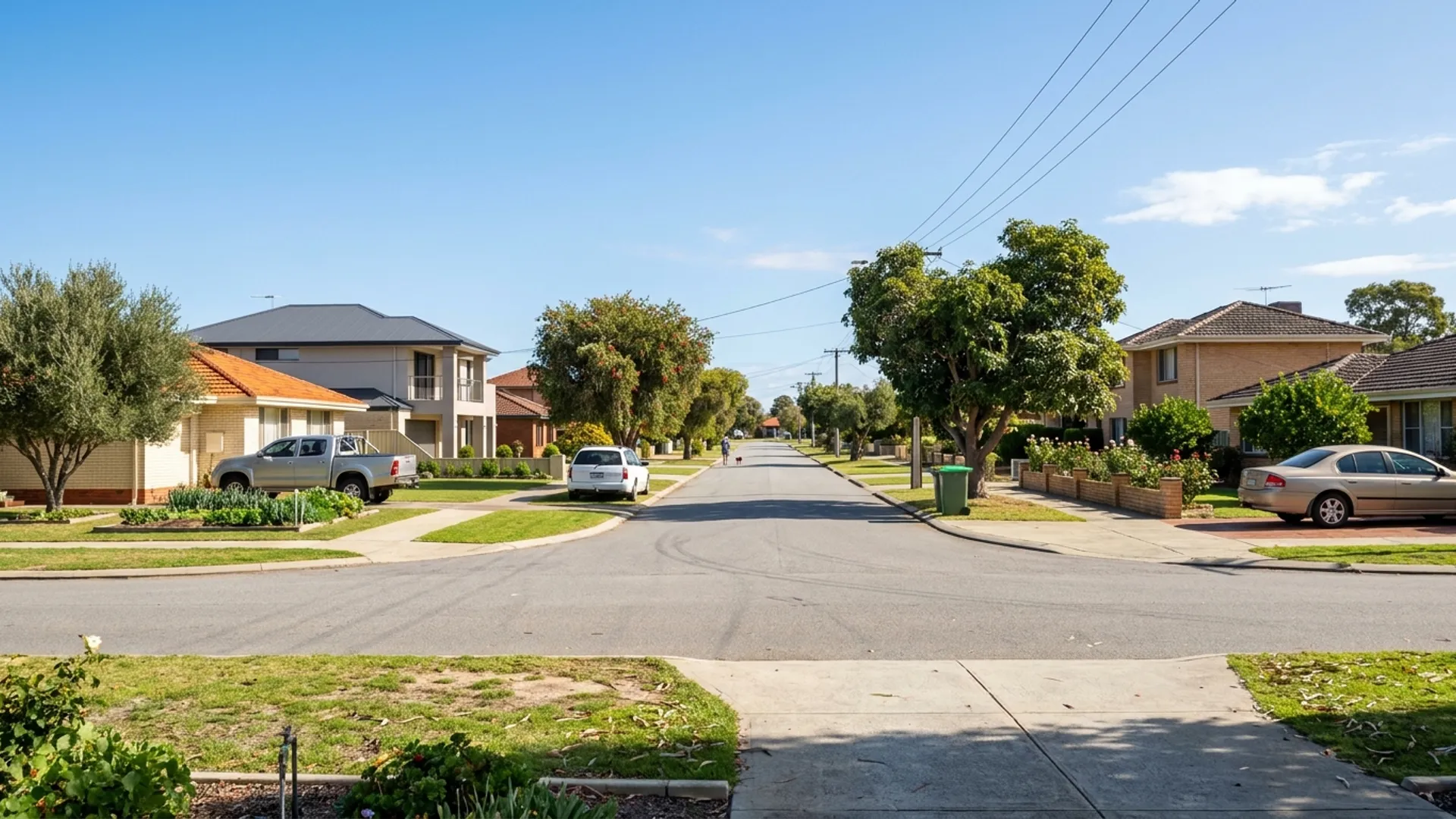
Post-war 1950s–1980s, heavily overwritten by 2000s–2020s subdivision and infill

Pest Risk Level

Moderate to High, extreme near bush reserves (Dianella). Coptotermes acinaciformis dominant

Asbestos Risk

High in the original stock across Scarborough, Innaloo, Nollamara, Osborne Park and Dianella, all heavily built out before 1990.

Asbestos likelihood is our reading of the suburb's dominant construction era, not a survey of individual homes. National guidance is that a home built or renovated before 1987 is highly likely to contain asbestos materials, 1987 to 1990 likely, and after 1990 unlikely (Asbestos Awareness). Asbestos was phased out by 1990 and banned outright in 2003 (ASSEA). Only a licensed assessor and a NATA lab can confirm asbestos in a specific property.

Suburbs we cover in Scarborough & Coastal

Pick a suburb for what we look at on a property there, plus local pricing and booking.

Balcatta

Karrakatta Sand (Spearwood Dunes), well-drained sand over Tamala Limestone with undulating terrain requiring retaining walls and split-level slab construction. 1960s-1980s heavily settled by European migrants (large Mediterranean-style homes). Split-level designs, undercroft garages, extensive paving. City of Stirling infill hotspot with R30/R40 rezoning. Pest risk: high: lake gwelup/careniup swamp proximity on eastern boundary, established gardens with mature trees, undercroft garages provide concealed termite access points.

View Balcatta

Dianella

Bassendean Dunes (grey quartz sand), stable foundations. Hilly terrain in some areas. 1970s–1980s brown brick dominant. St Andrews Estate and Breckler Park precincts. Pest risk: extreme. properties bordering bush reserves face year-round coptotermes acinaciformis from eucalyptus tree nests.

View Dianella

Doubleview

Spearwood Dunes (Karrakatta Sand over Tamala Limestone), undulating terrain with steep block cuts requiring retaining walls. 1950s-1970s post-war fibro and brick homes, heavily overwritten by 2010s-2020s infill triplex development (R30/R40 zoning). Pest risk: high, bradley reserve and trigg bushland proximity create sustained subterranean termite pressure via spearwood sand corridors.

View Doubleview

Gwelup

Karrakatta Sand (Spearwood Dunes). CRITICAL: properties near Lake Gwelup and Careniup Swamp sit on reclaimed/peaty soils with fluctuating water tables, creating severe moisture and foundation issues. 1970s-2000s. Mix of original brick-and-tile, 1990s renovations, and 2000s-2010s luxury rebuilds. Some pockets of late 1960s stock. Pest risk: extreme: lake gwelup and careniup swamp create severe year-round termite and moisture risk. coptotermes acinaciformis dominant species with permanent water sources supporting large colonies.

View Gwelup

Innaloo / Nollamara

Bassendean Dunes (grey quartz sand): very stable foundations but high winter water table in low-lying areas. 1960s original stock heavily overwritten by 1990s–2010s triplex/villa infill. Perth's triplex and villa capitals. Pest risk: high: coptotermes from reserves. fully paved zero-lot blocks create moisture trapping.

View Innaloo / Nollamara

Karrinyup / Stirling

Spearwood Dunes (yellow/brown sand with limestone): undulating terrain, retaining walls common on steep lots. 1980s large family homes. Concrete roof tiles from this era are at failure point. Large 'McMansion' stock. Pest risk: high: karrinyup borders major golf courses creating severe termite pressure from irrigated turf and mature trees.

View Karrinyup / Stirling

Leederville

Karrakatta Sand (Spearwood Dunes), well-drained sand over Tamala Limestone. Lower-lying streets near Lake Monger have higher winter water table. 1890s-1920s Federation workers' cottages and Edwardian homes, plus modern infill apartments and townhouses. City of Vincent heritage protection applies. Attached/semi-detached party wall cottages common. Pest risk: extreme: lake monger immediately north provides permanent moisture and mature tree harbourage for large coptotermes acinaciformis colonies. oxford street hospitality strip creates cockroach and rodent pressure.

View Leederville

Mount Hawthorn

Karrakatta Sand (Spearwood Dunes): well-drained sand, stable foundations. Some pockets of deeper sand requiring deeper footings on century-old homes. 1910s-1940s Federation/Edwardian/Californian Bungalows. City of Vincent strict heritage protection. "Mullet houses" (1920s front, modern rear extension). Very few post-war homes. Pest risk: very high. century-old timber framing in federation homes is highly vulnerable. lake monger (east) and britannia road reserve provide permanent termite harbourage.

View Mount Hawthorn

Nollamara

Bassendean Sand (outlier, NOT Spearwood Dunes like surrounding suburbs). Grey quartz sand, low nutrient, acidic, high winter water table in low-lying areas. 1950s-1960s State Housing Commission stock. Extremely high asbestos. "Triplex Capital" of Perth under R40 zoning. High rental turnover with deferred maintenance. Pest risk: high: des penman reserve and woodchester reserve provide termite harbourage. buried timber from hasty demolitions creates concealed termite nesting sites. high rental turnover means pest issues go unreported.

View Nollamara

North Perth

Karrakatta Sand (Spearwood Dunes): well-drained sand over Tamala Limestone. Generally stable foundations but century-old footings have settled irregularly over 100+ years. One of Perth's oldest inner-city suburbs. 1890s-1950s spanning Federation, Edwardian, Inter-War, Art Deco, and early post-war eras. City of Vincent heritage protection. Active renovation/flip market. Pest risk: very high: smiths lake reserve and charles veryard reserve provide established termite harbourage. mature street trees throughout create continuous foraging corridors.

View North Perth

Osborne Park / Tuart Hill

Bassendean Dunes (grey quartz sand), stable foundations. Some industrial soil contamination concerns in Osborne Park. 1950s–1970s original stock mixed with commercial/industrial zoning. Heavy subdivision activity. Pest risk: high: coptotermes from mature trees. aging timber boundary fences attacked by heterotermes.

View Osborne Park / Tuart Hill

Scarborough / Doubleview

Spearwood Dunes (undulating yellow/brown sand with limestone outcrops). Steep block cuts require retaining walls. 1960s flats and post-war homes heavily overwritten by 2000s–2020s luxury triplexes and infill. Pest risk: moderate, less termite pressure than inland suburbs. primary risks are structural (retaining walls, flipped homes).

View Scarborough / Doubleview

Stirling

Karrakatta Sand (Spearwood Dunes): well-drained yellow-brown sand over Tamala Limestone, stable for foundations but corrosive to buried steel. Late 1970s-1990s original subdivision, with 2000s luxury home rebuilds and ongoing infill. Mix of brick-and-tile and rendered modern homes. Pest risk: extreme. stirling civic gardens massive parkland with mature trees creates sustained termite pressure. roselea estate lake and princeton estate wetlands add moisture-dependent pest habitat.

View Stirling

Tuart Hill

Karrakatta Sand (Spearwood Dunes), well-drained yellow-brown sand, stable foundations but aging DPCs in post-war stock allow rising damp. Post-WWII 1950s-1970s boom. Fibro, weatherboard, and early double-brick. Named after native Tuart trees (Eucalyptus gomphocephala). Prime battle-axe and triplex suburb under R30/R40 zoning. Pest risk: high: native tuart trees (the suburb's namesake) are prime coptotermes habitat. mature street trees and garden eucalypts sustain termite colonies throughout the suburb.

View Tuart Hill

Wembley

Karrakatta Sand (Spearwood Dunes), well-drained sand over Tamala Limestone. Stable foundations with some undulation creating retaining wall requirements. 1920s-1950s character homes (Californian Bungalows, Inter-War, early post-war). City of Cambridge strict streetscape policies. "Retain and build" subdivisions preserving front homes while building new dwellings at rear. Pest risk: extreme. lake monger (east), bold park (west), and wembley golf course (north) create triple-source termite pressure from three directions. mature jacaranda and peppermint street trees extend corridors throughout.

View Wembley

Yokine

Karrakatta Sand (Spearwood Dunes), well-drained sand over Tamala Limestone. Yokine Hill is the highest point on the Swan Coastal Plain, creating steep terrain with extensive retaining walls. 1950s-1970s post-war boom with a significant 1990s infill wave. Mix of original fibro/brick homes and 1990s-2000s grouped dwellings. Active R30/R40 triplex redevelopment. Pest risk: extreme: yokine reserve (large bushland park) and wa golf club (irrigated turf with mature trees) create sustained year-round termite pressure from two directions.

View Yokine

Ready to Buy With Confidence?

5-star rated building and pest inspections across Perth. Book now - report in your inbox within 24-48 hours.

Call 0481 575 747

Money-back guarantee on building inspections, within 60 days · No obligation quote

Call Sample Book Now