Servicing All Perth Metro - Two Rocks to Mandurah| Open 7 Days · Book Online 24/7
Building and pest inspections in Joondalup & Northern Suburbs

Building & Pest Inspections

Building and Pest Inspections in Joondalup & Northern Suburbs

5-star rated building and pest inspections across Perth. Servicing Joondalup & Northern Suburbs with local inspectors who know your area.

0481 575 747
10,000+

Inspections Completed

Cert III

Pest Management (Owner)

24-48

Hour Report Turnaround

5.0

Google Rating (200+ Reviews)

Pre-Purchase Building & Pest Inspections in Joondalup & Northern Suburbs

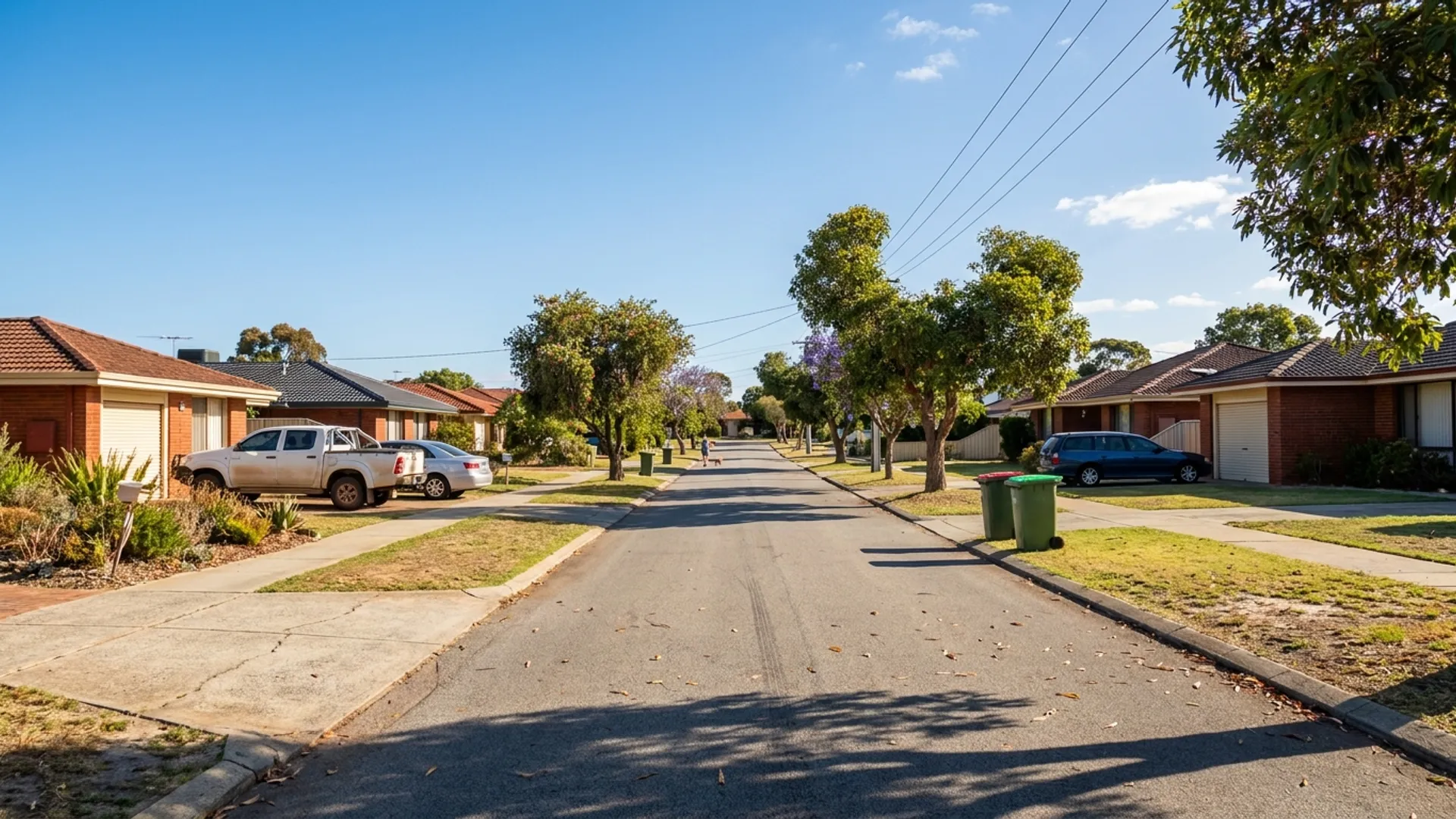
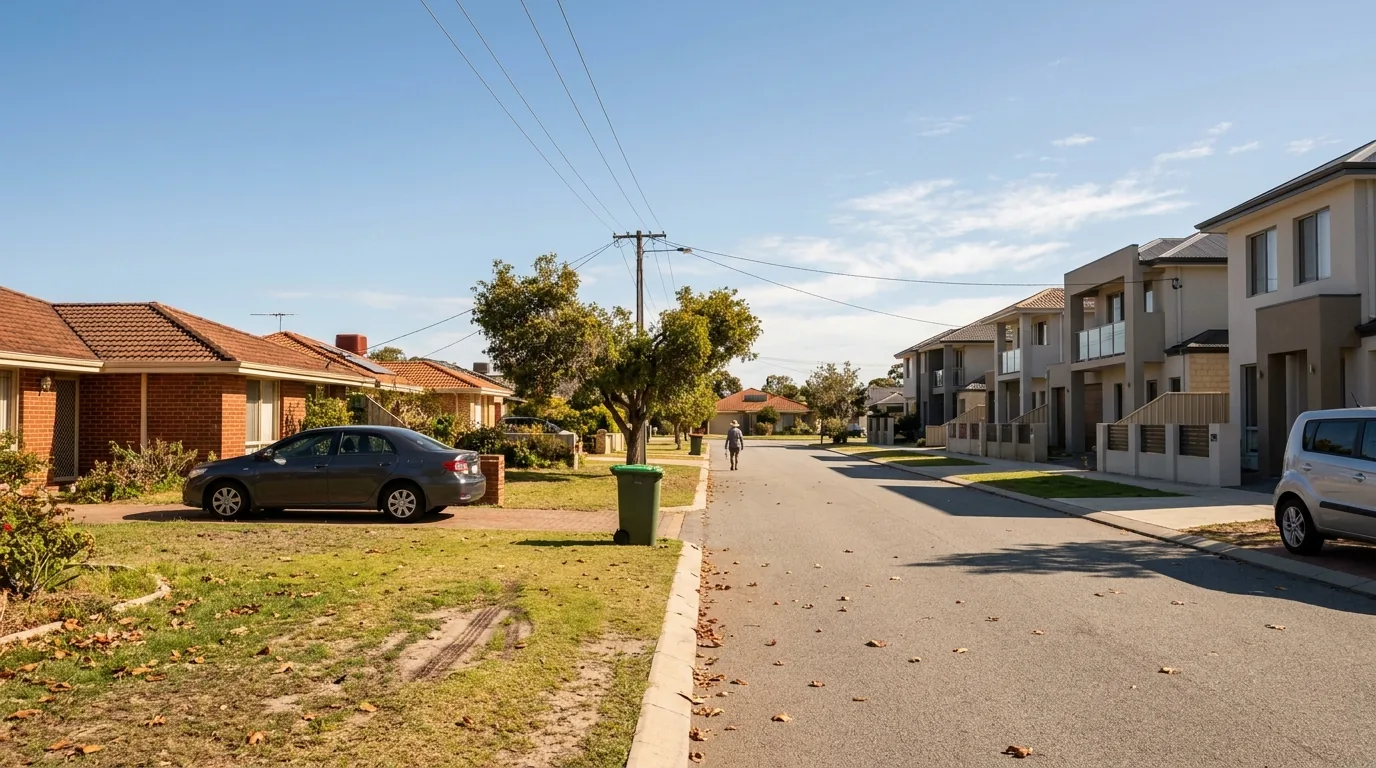
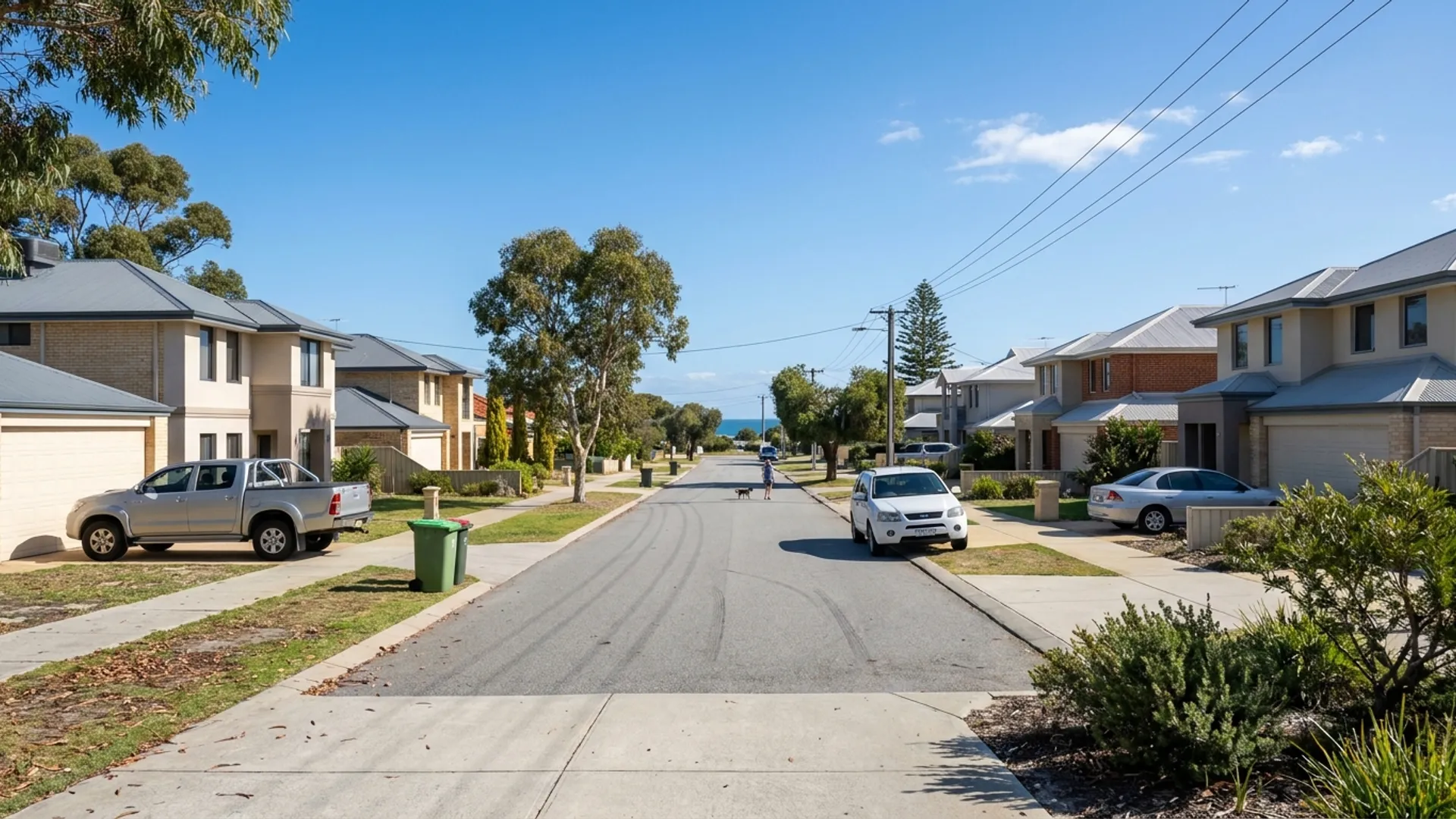
Perth's northern corridor stretches from Joondalup to Two Rocks, a mix of established 1990s master-planned suburbs and brand-new coastal estates pushing further north every year. The inspection challenges here are completely different from Perth's inner suburbs. Instead of century-old character homes, we're dealing with coastal corrosion, concrete roof tile failure, COVID-era build defects, and the leading edge of Perth's European House Borer (EHB) restricted zone.

Our inspectors service Joondalup, Currambine, Burns Beach, Mindarie, Clarkson, Alkimos, Eglinton, Yanchep, Two Rocks, and Banksia Grove. We understand the construction eras, the coastal conditions, and the pest risks specific to each suburb in the northern corridor.

Concrete Roof Tile Failure (1990s Builds)

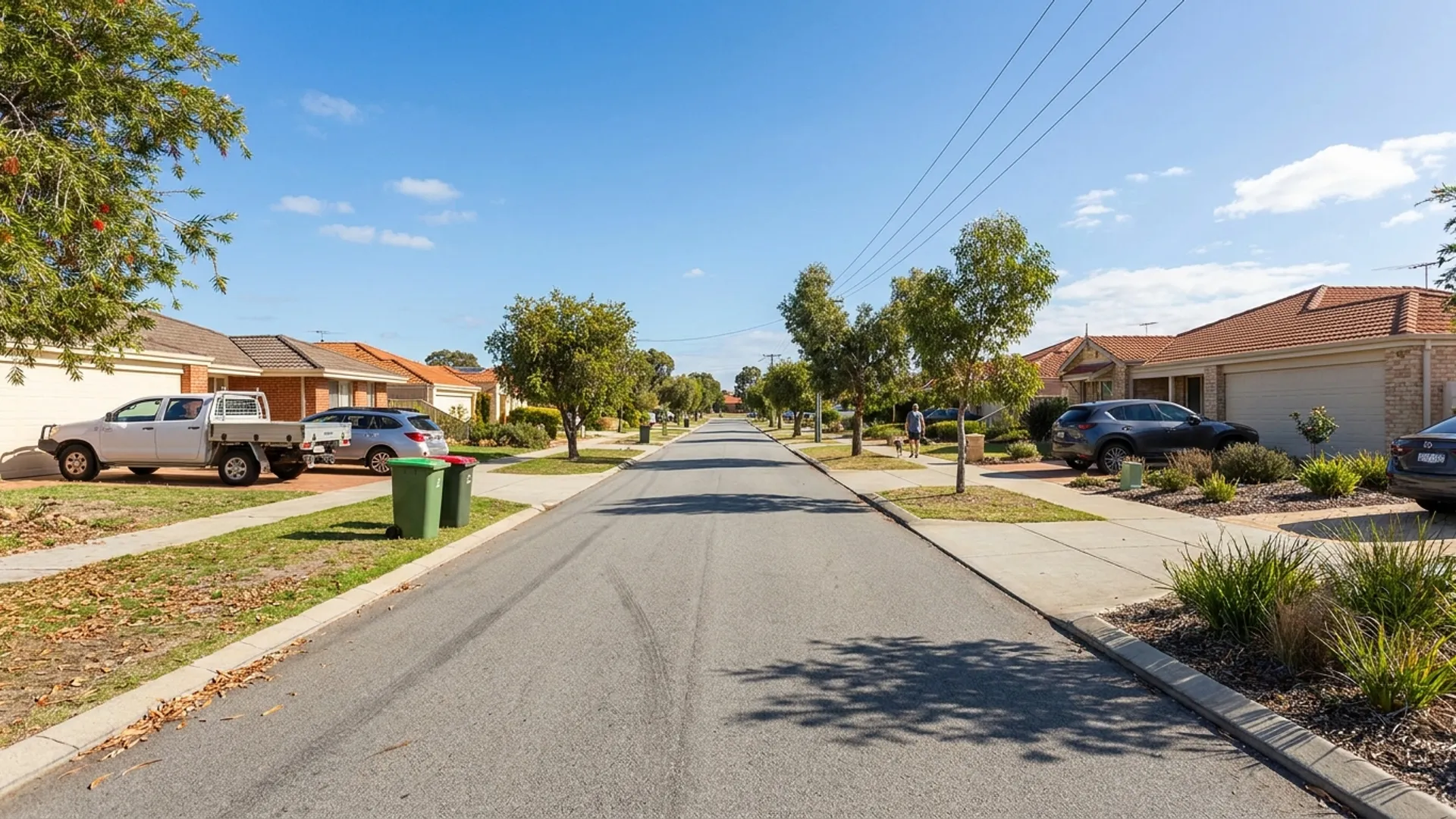
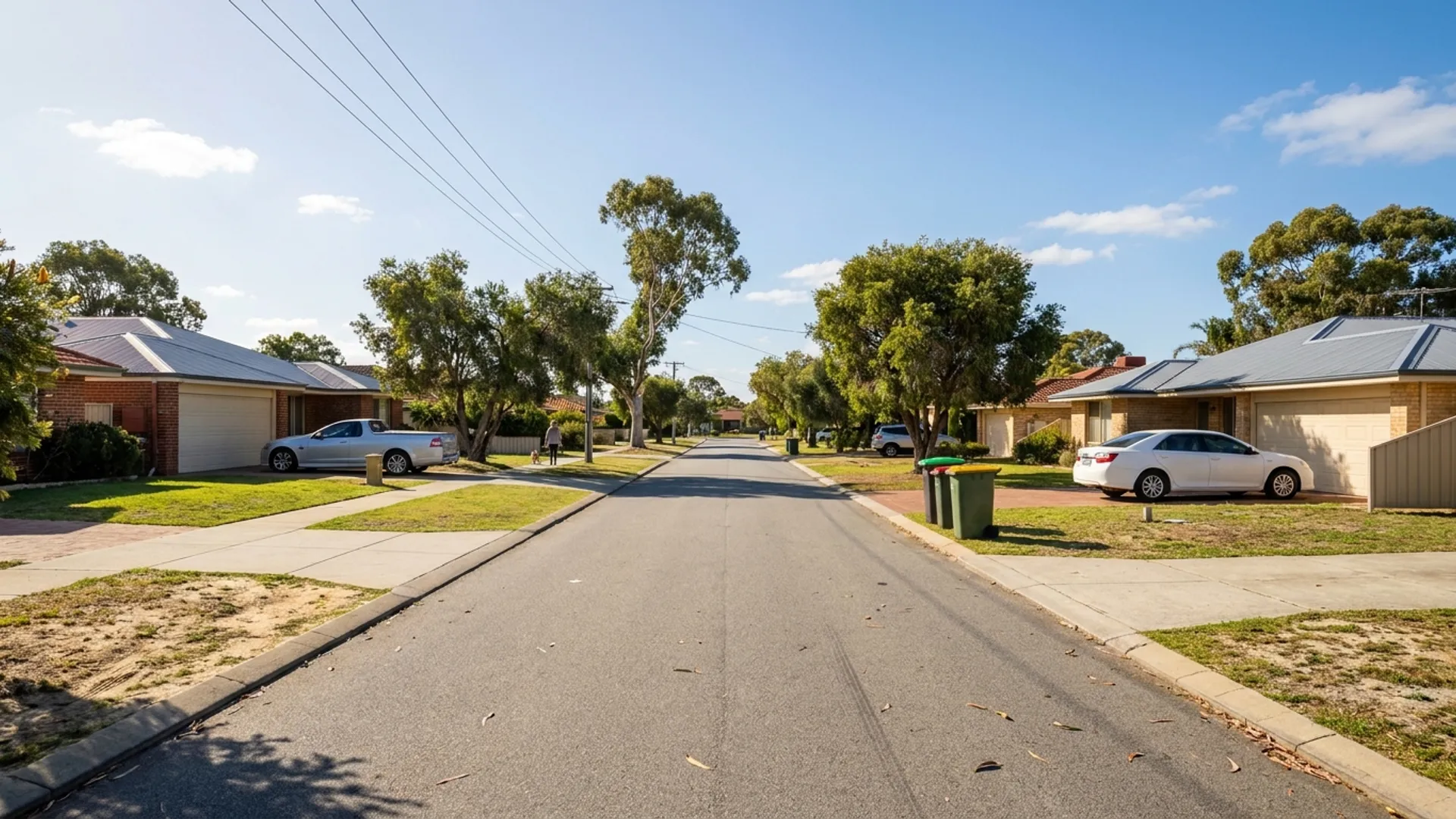
Joondalup, Currambine, and Woodvale were built during the 1990s master-planned boom. The concrete roof tiles installed on these homes have a lifespan of 25–35 years, and they're now hitting their failure point. When the factory glaze wears off, tiles absorb winter rain and become incredibly heavy, causing pine roof trusses to sag. The cement mortar pointing on ridge caps cracks and falls out, letting water into the roof space. This is the number one cause of ceiling leaks in 1990s northern suburbs homes.

Coastal Corrosion & Salt Spray Damage

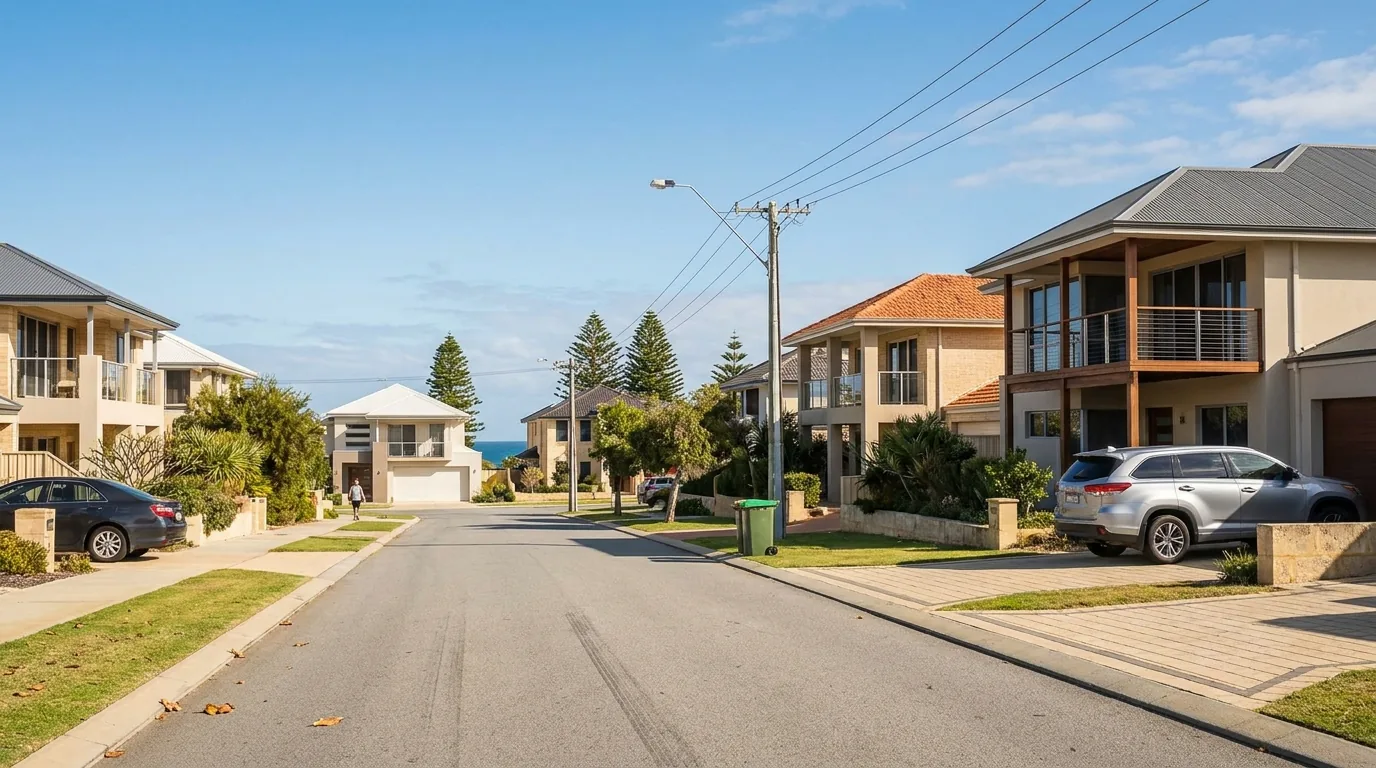
Burns Beach, Mindarie, and the coastal edges of Alkimos and Yanchep are exposed to severe salt spray from the Indian Ocean. Even on homes less than 10 years old, we find corroded roof tie-downs, degraded balcony glass balustrade fixings, and rusted steel lintels above windows. Mindarie Marina properties are particularly affected: limestone retaining blocks degrade in the salt environment, and structural steel corrodes faster than builders anticipated.

COVID-Era Build Defects (2020–2023)

The government HomeBuilder grants created a critical shortage of tradespeople across Perth. In the newest estates in Alkimos, Eglinton and Yanchep, missing brick wall ties, no weep holes, improperly installed Damp Proof Course (DPC), and roof trusses resting on internal non-load-bearing walls are the defects we check for in builds from that period. If you're buying a home built between 2020 and 2023 in the northern corridor, a thorough inspection is essential.

European House Borer (EHB) Risk

The edges of the Joondalup and Wanneroo areas fall within the WA Department of Primary Industries' EHB restricted zone. European House Borer larvae bore through untreated seasoned pine timber for 3–11 years before emerging, by which point the roof structure can be severely compromised. Our timber pest inspections in affected areas include specific assessment for EHB damage in pine roof trusses.

Termite Risk: Coptotermes michaelseni

Coptotermes michaelseni is the dominant termite species across the northern corridor, a Western Australian endemic species that's particularly destructive to pine framing. Banksia Grove carries elevated risk due to preserved native bush corridors that create foraging highways for subterranean termites into adjacent homes. Yanchep properties on bush edges also carry heightened risk.

Our combined building and pest inspections start from $422.

New Build Handover Inspections (PCI) in Joondalup

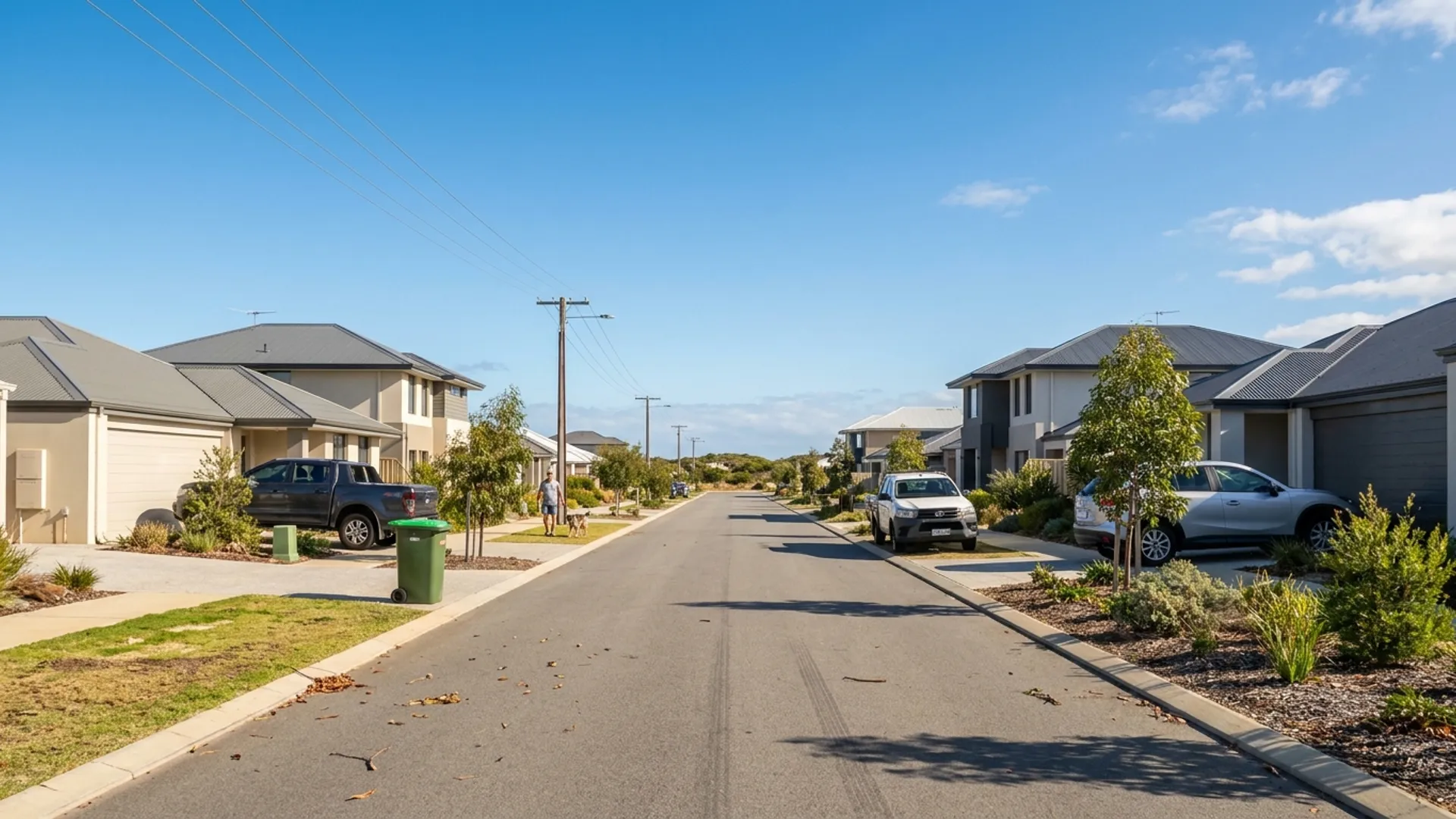
Perth's northern corridor is one of the fastest-growing residential frontiers in Australia, and the demand for practical completion inspections has surged alongside new housing construction. Suburbs like Alkimos, Yanchep, and Eglinton are delivering thousands of new homes each year through master-planned estate releases. Many of these properties were contracted during the COVID-era HomeBuilder grant period (2020–2023), when trade shortages across Perth were at their most acute. Missing wall ties, improperly installed DPC, poor brickwork, and roof trusses resting on non-load-bearing walls are the defects we check for in builds from those years.

A practical completion inspection before your final handover gives you documented evidence of defects that the builder is legally obligated to rectify under the Home Building Contracts Act. Our PCI reports start from $465 and include thermal imaging to detect moisture issues hidden behind freshly painted plasterboard.

Residential Pest Control in Joondalup & Northern Suburbs

The northern corridor's mix of coastal sand, retained native bushland, and rapid residential expansion creates a varied pest landscape. Coptotermes michaelseni, the dominant subterranean termite species in Western Australia, is established throughout the region, with elevated pressure in bush-adjacent suburbs like Banksia Grove and the eastern edges of Yanchep. The fringes of the Joondalup and Wanneroo areas also border the WA Department of Primary Industries' European House Borer (EHB) restricted zone, adding a second timber pest threat to homes with untreated pine roof trusses.

Beyond timber pests, coastal suburbs deal with spider populations thriving in retaining walls and limestone block fencing, while new estates see ant and cockroach activity as disturbed ground settles around freshly built homes. Our residential pest control services cover the full range of common Perth pests, from annual termite inspections ($189) to targeted treatments for spiders, ants, cockroaches, and rodents.

Book Your Joondalup & Northern Suburbs Inspection

Whether you're buying a 1990s family home in Currambine or a brand-new build in Alkimos, our inspectors bring genuine knowledge of the northern corridor: the construction eras, the coastal conditions, and the pest risks that matter in your suburb.
Two inspectors cover Perth, and you get the one who works your side of the river

There is no dispatch queue at PinPoint. Sky owns the business and covers more of the north, Dale covers more of the south, and one of them is inspecting your Joondalup & Northern Suburbs property. Whoever it is also writes your report and takes your debrief call, so there is nobody to hand you off to.

0481 575 747
  • Sky McRae, owner and lead inspectorCert III Pest Management and a WA Department of Health pest management licence. Over 20 years in the construction industry. Covers more of the north.
  • Dale Dewar, inspectorTen years in the trade, five years inspecting, over 3,000 inspections of his own. Covers more of the south.
  • Over 10,000 inspections between themBuilding and pest, counted across their whole careers. It is why the report tells you what matters and not just what is there.
  • Report in 24-48 hours, then a callPhotos, thermal images, defect grading and a summary. The debrief call is free and it is where you find out what the findings mean for your offer.

What we pay attention to across Joondalup & Northern Suburbs

The ground, the housing stock and the pest pressure differ across Perth. This is what shapes an inspection in this part of it.

Soil Type

Quindalup Dunes (coastal limestone sand) near coast, Spearwood Dunes inland: stable foundations but highly corrosive for steel

Housing Era

1990s master-planned (Joondalup/Currambine) through to brand-new (Alkimos/Yanchep/Two Rocks)

Pest Risk Level

Moderate to High: Coptotermes michaelseni dominant. EHB restricted zone edges into Joondalup/Wanneroo fringes

Asbestos Risk

Low in the newer Alkimos and Burns Beach estates, which are post-2000. Higher in the older Two Rocks and Yanchep beach shacks.

Asbestos likelihood is our reading of the suburb's dominant construction era, not a survey of individual homes. National guidance is that a home built or renovated before 1987 is highly likely to contain asbestos materials, 1987 to 1990 likely, and after 1990 unlikely (Asbestos Awareness). Asbestos was phased out by 1990 and banned outright in 2003 (ASSEA). Only a licensed assessor and a NATA lab can confirm asbestos in a specific property.

Suburbs we cover in Joondalup & Northern Suburbs

Pick a suburb for what we look at on a property there, plus local pricing and booking.

Alkimos / Eglinton

Quindalup Dunes (coastal limestone sand), very porous, drains instantly, but highly corrosive for steel. Brand new: 2015 to present. Perth's newest northern frontier. COVID-era builds (2020–2023) are high risk. Pest risk: moderate: standard subterranean termite risk on bush edges. extreme coastal wind and salt are primary concerns.

View Alkimos / Eglinton

Banksia Grove

Spearwood Dunes (yellow/brown sand): generally stable. Poor surface drainage on zero-lot boundaries is common. 2000s–2010s established estates integrated with retained native bushland. Pest risk: high: massive termite risk from preserved bush corridors that create foraging highways into adjacent homes. eastern edge carries bal requirements.

View Banksia Grove

Beldon

Spearwood Dunes (Karrakatta Sand over Tamala Limestone): well-drained yellow-brown sand, low reactivity, limestone at moderate depth. Late 1970s–late 1980s double brick-and-tile (dominant). Increasing infill from Housing Opportunity Area rezoning. Pest risk: moderate-high: craigie open space bushland reserve on southern boundary creates significant termite corridor. internal parks add localised pressure.

View Beldon

Burns Beach / Mindarie

Quindalup Dunes (coastal limestone sand), highly corrosive environment for steel from salt and limestone chemistry. 2000s–2010s luxury coastal builds. Undulating dune topography with retaining walls. Pest risk: moderate, standard subterranean termite risk. coastal wind and salt are the primary threats here.

View Burns Beach / Mindarie

Carramar

Spearwood Dunes (Karrakatta Sand over Tamala Limestone), well-drained sandy soils, stable foundations. 2000s–2010s family homes (dominant). Master-planned estate development. Some late 1990s stock on earlier releases. Pest risk: moderate: established gardens and proximity to neerabup national park create termite corridors through sandy soils.

View Carramar

Clarkson

Quindalup/Spearwood transition sand, generally stable but poor soakwell performance on some blocks. 1990s/2000s volume-built. High incidence of mining boom (2005–2008) builds with associated defects. Pest risk: moderate. standard subterranean termite risk. no ehb zone.

View Clarkson

Connolly

Spearwood Dunes (Karrakatta Sand over Tamala Limestone): well-drained sandy soils, low reactivity. 1990s–2000s family homes (dominant). No pre-1980s stock. Joondalup Golf Course and resort precinct. Pest risk: moderate-high: joondalup golf course creates significant termite corridor with irrigated turf and mature trees.

View Connolly

Edgewater

Spearwood Dunes (Karrakatta Sand over Tamala Limestone), well-drained sandy soils with limestone at moderate depth. 1970s–1990s brick-and-tile (dominant). Some 2010s+ infill from R-code increases. Pest risk: moderate-high: yellagonga regional park and lake joondalup create major termite and pest corridor on western boundary.

View Edgewater

Eglinton

Quindalup Dunes (coastal limestone sand), very porous, drains instantly, highly corrosive for steel. Same coastal dune system as Alkimos. Brand new. 2015 to present. Perth's northern coastal frontier alongside Alkimos. COVID-era builds (2020–2023) are high risk. Pest risk: moderate. standard subterranean termite risk on bush edges. extreme coastal wind and salt are primary building concerns.

View Eglinton

Heathridge

Spearwood Dunes (Karrakatta Sand): yellow-brown sand over Tamala Limestone. Well-drained, low reactivity, limestone at moderate depth. 1980s–early 1990s brick-and-tile (dominant). Increasing infill from R-code changes in Housing Opportunity Areas. Pest risk: moderate: established suburb with mature gardens. internal parks (caledonia park, heathridge park) create localised termite harbourage.

View Heathridge

Iluka

Quindalup Dunes (coastal calcareous sands) transitioning to Spearwood Dunes (Cottesloe soil, shallow sand over Tamala Limestone) further inland. Late 1990s–2010s premium family homes. No pre-1990s stock. Beaumaris and McCusker Park precincts. Pest risk: moderate-high: sir james mccusker park wetlands and coastal scrub create significant termite corridor. concealed slab edges from extensive perimeter paving.

View Iluka

Joondalup / Currambine

Spearwood Dunes (yellow/brown sand with limestone outcrops), excellent building sand, stable foundations. 1990s master-planned boom. Concrete roof tiles from the 90s now at failure point for glaze degradation. Pest risk: moderate. ehb restricted zone edges into this area, making untreated pine trusses vulnerable.

View Joondalup / Currambine

Kallaroo

Spearwood Dunes (Karrakatta Sand and Cottesloe Sand over Tamala Limestone), shallow limestone throughout, undulating terrain requiring extensive retaining walls. 1970s–late 1980s brick-and-tile (dominant). Northshore Estate (late 1980s/1990s) premium two-storey. Modern infill from R-code changes. Pest risk: moderate-high. coastal scrub along whitfords foreshore, craigie open space nearby. sandy soils highly conducive to termite foraging.

View Kallaroo

Kinross

Spearwood Dunes (Karrakatta Sand over Tamala Limestone), well-drained sandy soils, stable foundation conditions. 1990s–2000s family homes (dominant). Planned residential development with consistent housing quality. Pest risk: moderate, established gardens with mature trees. yellagonga regional park within foraging range. internal parks provide localised termite harbourage.

View Kinross

Mindarie

Quindalup Dunes (calcareous coastal sands) over Tamala Limestone, transitioning to Spearwood Dunes on eastern fringe. Late 1980s–2000s (dominant), anchored by Mindarie Marina. Catalina Estate (2010s+) on eastern/northern edge. Pest risk: moderate-high, tamala park bushland (south) and neerabup national park (east) create termite corridors. coastal corrosion primary building concern.

View Mindarie

Mullaloo

Quindalup Dunes (coastal calcareous sand) transitioning to Spearwood Dunes (Karrakatta Sand). Shallow Tamala Limestone on elevated coastal blocks. 1970s–1990s brick-and-tile family homes. Premium beachside properties with renovation and knock-down rebuild activity. Pest risk: moderate. coastal environment with sandy soils conducive to termite foraging. tom simpson park and internal green spaces create localised harbourage.

View Mullaloo

Ocean Reef

Quindalup Dunes (coastal) transitioning to Spearwood Dunes (inland), calcareous coastal sands over Tamala Limestone. Highly corrosive environment for metal fixings. 1980s–2000s brick-and-tile (dominant). Premium ocean-view homes. Some 2010s+ infill and renovation activity. Pest risk: moderate: coastal environment limits some pest species but sandy soils support termite activity. ocean reef boat harbour area attracts rodents.

View Ocean Reef

Shorehaven (Estate within Alkimos)

Quindalup Dunes (coastal limestone sand), porous, fast-draining, highly corrosive for steel fixings. 2015 to present, brand new premium coastal estate within Alkimos. COVID-era builds (2020–2023) dominant. Pest risk: moderate: standard new-estate pest displacement. coastal scrub on southern and western boundaries. concealed slab edges from extensive paving.

View Shorehaven (Estate within Alkimos)

Tapping

Spearwood Dunes (Karrakatta Sand over Tamala Limestone), stable, well-drained sandy soils with low reactivity. 1990s–2000s family homes (dominant). Well-established master-planned suburb. Pest risk: moderate, established gardens and yellagonga regional park within broader foraging range. internal parks and mature trees create localised pressure.

View Tapping

Two Rocks

Quindalup Dunes (coastal calcareous sands) over Tamala Limestone: highly permeable, corrosive environment for metals. Mixed: 1970s–1980s original stock (holiday shacks and early permanent homes), 1990s–2000s expansion, 2010s+ new estate development. Pest risk: moderate-high: surrounded by extensive native bushland (yanchep national park corridor) creating significant termite pressure.

View Two Rocks

Yanchep / Two Rocks

Quindalup Dunes (coastal limestone sand) for new estates. Sandy loam near bushland edges. Two eras: old 1970s fibro beach shacks (high asbestos) adjacent to brand-new master-planned estates (2015+). Pest risk: high. bush-edge properties carry heightened subterranean termite risk. bal requirements on bush boundaries.

View Yanchep / Two Rocks

Ready to Buy With Confidence?

5-star rated building and pest inspections across Perth. Book now - report in your inbox within 24-48 hours.

Call 0481 575 747

Money-back guarantee on building inspections, within 60 days · No obligation quote

Call Sample Book Now