Building & Pest Inspections in Leederville
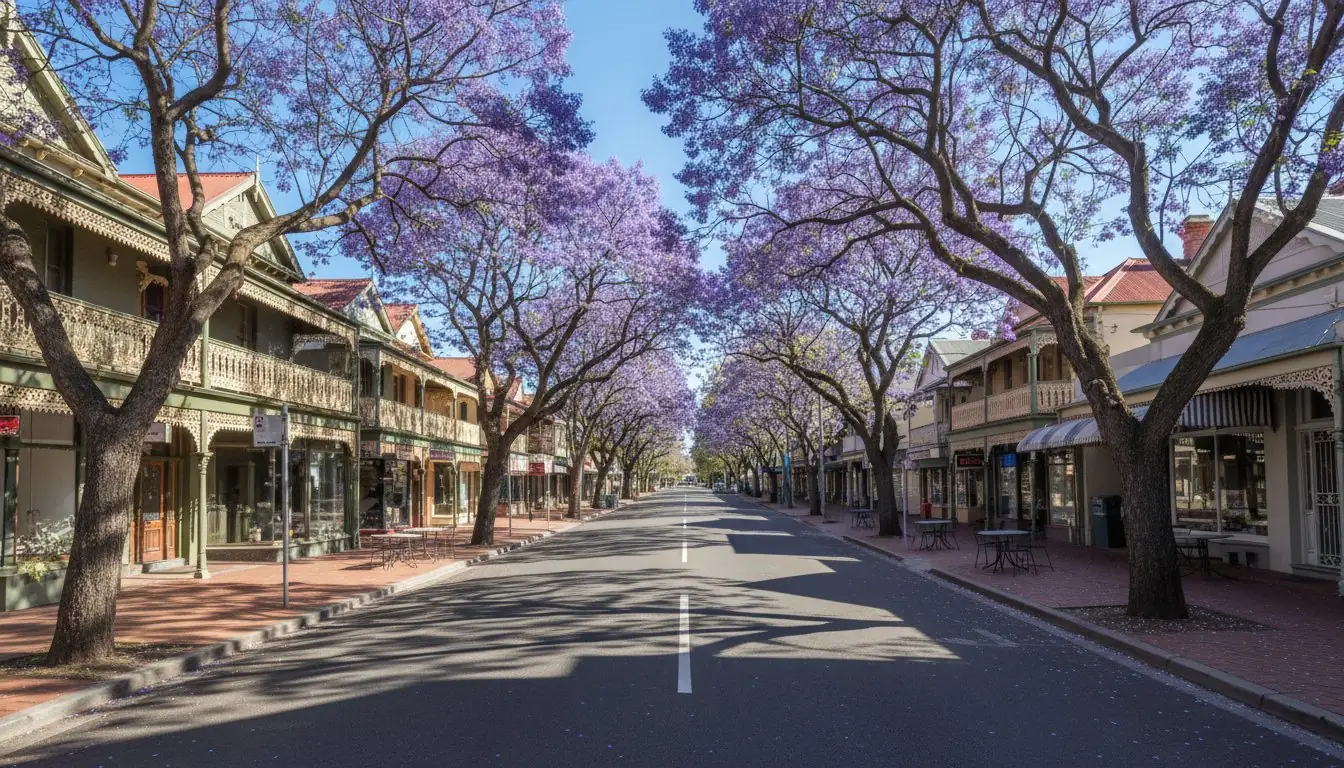
Leederville is Perth's most densely layered suburb from an inspection perspective — 1890s Federation workers' cottages sitting beside 2020s apartment buildings, with every decade of construction in between represented somewhere on the same block. The suburb developed as a working-class residential area serving the nearby railway workshops, producing rows of small timber-framed and brick cottages on narrow lots — many of them attached or semi-detached with shared party walls. These 120-130-year-old homes are now among Perth's most sought-after character properties, but they carry structural challenges that modern buyers rarely anticipate.
Lake Monger sits immediately north of Leederville, and its influence on the suburb's pest and moisture environment is profound. The lake provides permanent water, mature paperbark and flooded gum habitat, and year-round soil moisture that sustains the largest Coptotermes acinaciformis termite populations in the Scarborough hub. Properties on Leederville's northern streets — closest to the lake — face extreme termite pressure that demands annual monitoring. The City of Vincent's heritage protections add another layer of complexity: modifications to heritage-listed cottages are restricted, meaning buyers need to understand both the home's current structural condition and the constraints on future repair or renovation work. Combined building and pest inspections in Leederville start from $497 for houses.
What We Look For in Leederville Properties
Party Wall Issues in Attached Cottages
Leederville has a high concentration of attached and semi-detached cottages — homes that share a common wall with the neighbouring dwelling. These shared party walls were typically single-skin brick (one brick width) rather than the cavity construction used in modern homes. After 120+ years, the lime mortar in these walls has deteriorated significantly, and the single-skin construction provides minimal sound insulation and zero moisture resistance. The party wall creates specific inspection challenges: you can only assess one side of the wall (your side), any defects on the neighbour's side (leaking plumbing, rising damp, pest treatment chemicals) can transfer through the single-skin wall into your property, and structural modifications by either party affect the shared structure. Our inspections assess party wall condition from the accessible side, check for moisture transfer, cracking, and any evidence that the wall has been modified or compromised.
Sub-Floor Ventilation Failures
Leederville's Federation cottages have suspended timber floors on brick or limestone piers, with sub-floor crawl spaces ventilated through terracotta or cast-iron vents in the external walls. Adequate sub-floor ventilation is critical — it prevents moisture buildup that causes timber rot and creates conditions conducive to termite attack. In Leederville, sub-floor ventilation failures are endemic: garden bed soil levels have been raised above the vent openings over decades of landscaping, paving has been laid directly against the foundation covering vents, and homeowners have blocked vents to reduce draughts or prevent rodent entry. The consequences of blocked ventilation are serious — stagnant, moist air in the sub-floor causes fungal decay of timber bearers and joists, and the constantly damp environment is a magnet for subterranean termites. Our inspections include sub-floor crawl space access where possible, with visual assessment of ventilation adequacy, timber condition, and any signs of termite activity.
Cracking at Heritage-Modern Junctions
Like neighbouring Mount Hawthorn, many Leederville cottages have been extended at the rear — the heritage front rooms retained and a modern kitchen, bathroom, and living area added behind. The junction between the original 1890s-1920s construction and the modern extension is a predictable stress point. In Leederville, the narrow lot widths intensify this issue: the modern extension often sits directly against the boundary fence on one or both sides, meaning there's no external access to inspect the junction from outside. Internal inspection becomes critical — checking for cracking along the junction wall, moisture staining at the roof connection point, and any evidence that the modern extension is moving independently of the heritage structure. Our inspectors use moisture meters to detect water penetration at roof flashing junctions that can't be inspected visually from outside.
Aging Terracotta Drainage Systems
The original drainage systems in Leederville's Federation cottages used terracotta (earthenware) pipes — clay pipes joined with cement mortar that crack and separate over time. After 100+ years, these pipes are routinely root-invaded by the street trees and garden plantings that have grown above and around them. Root invasion blocks the drainage flow, causing backflow into the home during heavy rain or when multiple fixtures are used simultaneously. The roots also displace the pipe joints, allowing sewage to leak into the surrounding soil — creating both a hygiene concern and a moisture source that attracts termites. Complete drainage replacement is often required when buying a Leederville cottage, and our inspections note the visible condition of drainage outlets, any evidence of slow drainage or backflow, and the proximity of large trees to likely pipe routes.
Precincts We Service
- Lake Monger border (north Leederville) — extreme termite pressure from lakeside habitat, lower-lying properties with elevated water table, heritage cottages with sub-floor ventilation concerns
- Oxford Street corridor — hospitality strip creating cockroach and rodent pressure, mixed-use buildings with residential above commercial, heritage-protected shopfront buildings
- Leederville Parade precinct — densest concentration of attached/semi-detached workers' cottages, party wall assessments, narrow-lot heritage homes with restricted access
- South Leederville (West Perth border) — transitional zone, mix of heritage cottages and modern apartment developments, higher density infill with strata-titled properties
Pest Control in Leederville
Leederville faces extreme termite pressure — the most severe of any inner-city suburb in the Scarborough hub. Lake Monger, immediately north, is the dominant driver: the lake's permanent water, mature paperbarks, and flooded gums sustain large Coptotermes acinaciformis colonies that forage south into Leederville through the porous Karrakatta Sand. Properties on Leederville's northern streets — within 300 metres of the lake — are in the highest risk category, but foraging tunnels extend well beyond this range through the sandy substrate. The 120-130-year-old timber framing, suspended floors, and sub-floor crawl spaces of Leederville's Federation cottages provide abundant food source and concealed access for termite colonies. Properties with blocked sub-floor ventilation face compounded risk — the stagnant, moist sub-floor environment is the single most conducive condition for termite establishment in a home. Annual termite inspections with thermal imaging and Termatrac detection are essential for all Leederville properties, particularly heritage homes where visual inspection alone cannot assess concealed wall cavities and sub-floor areas.
Leederville's Oxford Street hospitality strip creates a localised pest pressure that radiates into surrounding residential streets. Restaurants, cafes, and bars generate food waste that sustains cockroach and rodent populations — particularly German cockroaches (Blattella germanica) and Norwegian rats (Rattus norvegicus). These populations migrate from commercial premises into adjacent residential homes through shared drainage systems, wall cavities in attached buildings, and gaps in aging brickwork. Residential properties within two blocks of Oxford Street experience measurably higher cockroach and rodent activity than the rest of the suburb. Our pest control services cover general treatments from $189, with combo packages available for Leederville properties dealing with the combined termite, cockroach, and rodent pressure that this inner-city suburb generates.