Building & Pest Inspections in Two Rocks
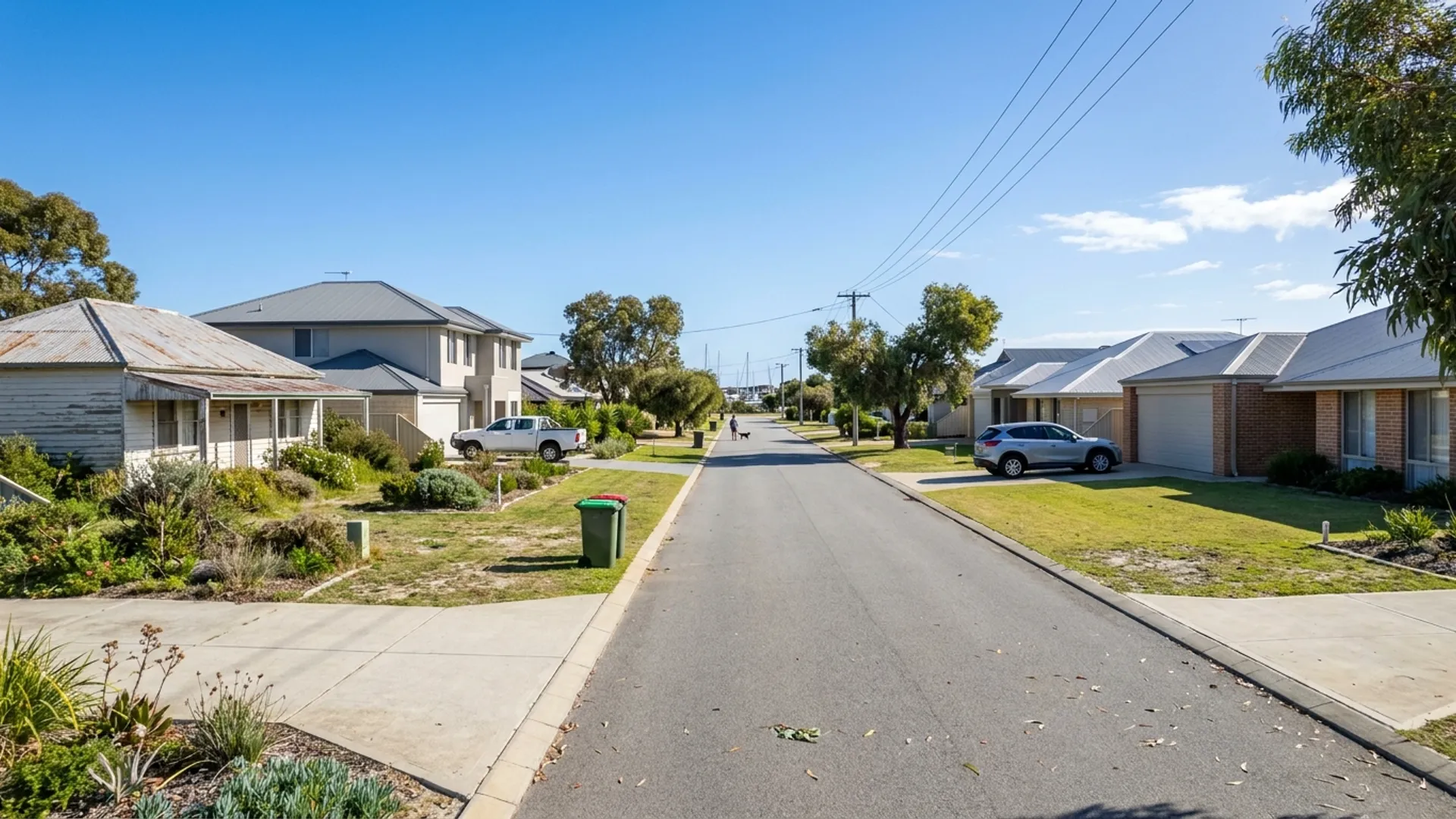
Two Rocks is the northernmost suburb in PinPoint's service area — a coastal settlement that has evolved from a 1970s holiday shack town into an expanding residential community. The suburb sits on Quindalup Dunes — calcareous coastal sands over Tamala Limestone — creating a highly permeable, highly corrosive building environment. Two Rocks carries a unique inspection challenge: a mix of aging 1970s–1980s stock (some of Perth's most deteriorated housing), 1990s–2000s suburban expansion, and modern estate development, all within the same suburb.
The surrounding landscape is dominated by native bushland — the Yanchep National Park corridor runs to the north and east, and coastal scrub borders the suburb on multiple sides. This creates one of the most intense pest environments in Perth's northern corridor, with subterranean termite colonies in the surrounding bush foraging directly into residential properties.
What We Look For in Two Rocks Properties
1970s–1980s Original Stock — Comprehensive Deterioration
Two Rocks' original housing stock from the 1970s and 1980s — the former holiday homes and early permanent residences — represents some of the most deteriorated residential construction in Perth's northern corridor. These homes have endured 40–50 years of extreme coastal exposure: salt spray, UV radiation, and driving winter westerlies. Common findings include advanced lintel corrosion cracking brickwork above every opening, severely corroded wall ties compromising structural connections, completely degraded mortar on western elevations, concrete roof tiles at failure point with sagging trusses, and extensively corroded roof plumbing. Our inspectors provide a realistic assessment of whether remediation is viable or whether the buyer is effectively purchasing land value only.
Asbestos in Pre-1990 Properties
Two Rocks' 1970s–1980s stock was built during peak asbestos use in Australian construction. Super Six corrugated fencing, flat-sheet asbestos eaves and soffits, wet area backing boards, vinyl floor tiles, and fibro outbuildings are prevalent throughout the older precincts. Some original holiday shacks used asbestos cement sheet as wall cladding. Our inspections identify likely asbestos-containing materials and note them in reports — essential for buyers planning renovation or demolition of Two Rocks' older properties.
New Estate Construction Quality
Two Rocks' newer estates — developed from the 2010s onwards — are subject to the same construction quality considerations as Alkimos and Eglinton further south. Volume builder construction during boom periods, COVID-era trade shortages, and the challenges of building on coastal Quindalup sand all create potential defects. Marine-grade hardware compliance is critical in Two Rocks' exposed coastal position. Our inspections of new stock focus on structural adequacy, waterproofing installation, and coastal hardware compliance.
Coastal Foundation and Drainage Conditions
Two Rocks' Quindalup sand is highly permeable — it drains almost instantly, which is generally good for foundations but creates erosion risk where stormwater is concentrated. Soakwells can be difficult to size correctly in such permeable material, and paving settlement from sand migration is common. On elevated coastal lots, wind erosion of exposed sand around foundations can undermine footings over time. Our inspectors assess drainage adequacy, paving stability, and evidence of sand movement around the building perimeter.
Precincts We Service
- Original Two Rocks (Enterprise Ave / Three Bears) — 1970s–1980s stock, comprehensive deterioration, high asbestos prevalence, land value purchases
- Two Rocks Marina Precinct — mixed stock, coastal exposure, commercial interface
- New Estate Development (North/East) — modern builds, PCI focus, bush-edge termite risk
- Yanchep National Park Border — extreme termite pressure, bushfire risk assessment, BAL compliance
Pest Control in Two Rocks
Two Rocks sits within one of the most intense pest environments in Perth's northern corridor. The surrounding bushland — connecting to the Yanchep National Park corridor — harbours large Coptotermes acinaciformis colonies that forage through the sandy Quindalup soils directly into residential properties. The bushland extends close to the suburb's boundaries on multiple sides, meaning most Two Rocks properties are within termite foraging range regardless of their position within the suburb.
The 1970s–1980s housing stock amplifies this risk — aging timber framing, deteriorated sub-floor conditions, and non-existent chemical barriers make these older homes highly vulnerable. But newer homes are not immune: the sandy soils provide easy tunnelling for termites, and expired or compromised construction-stage barriers leave modern homes equally accessible. Rodent pressure from the surrounding bushland is significant, particularly during autumn and winter. Redback spiders inhabit meter boxes, retaining walls, and garden structures throughout the suburb. Our pest control services start from $189, with annual termite inspections from $189 — essential for every Two Rocks property given the suburb's extreme bushland proximity.