Building & Pest Inspections in Beldon
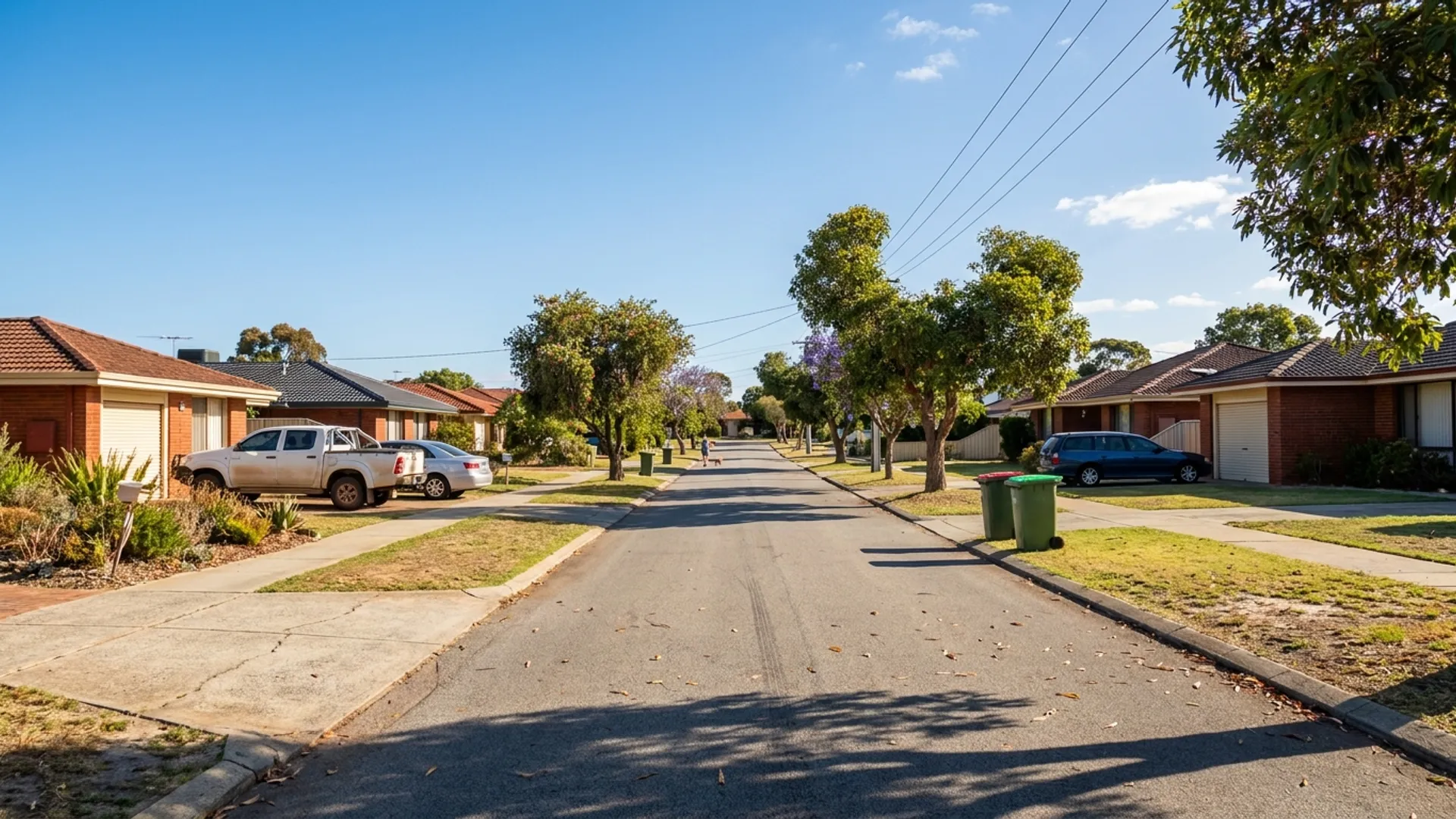
Beldon is a well-established northern suburb built predominantly during the late 1970s and 1980s on the Spearwood Dune system — Karrakatta Sand over Tamala Limestone. The soil is free-draining and generally provides stable, low-reactivity foundation conditions, but at 40+ years old, Beldon's housing stock is now at the critical age where roof systems, wall ties, drainage infrastructure, and damp-proof courses all deteriorate simultaneously. This makes pre-purchase inspection essential for any buyer entering the Beldon market.
The suburb's proximity to Craigie Open Space — a large tract of protected native bushland on its southern boundary — adds significant termite risk that distinguishes Beldon from other established northern suburbs. Properties in the southern pocket of Beldon face year-round foraging pressure from subterranean termite colonies harboured in the reserve's mature eucalyptus and Banksia woodland.
What We Look For in Beldon Properties
Concrete Roof Tile and Ridge Capping Failure
Beldon's 1980s homes predominantly feature concrete tile roofing that is now 35–45 years old. The factory-applied glaze has worn away, leaving porous tiles that absorb moisture during Perth's wet winters. The additional weight causes original pine roof trusses to deflect — visible as a sagging ridge line when viewed from the street. Ridge capping mortar has cracked or crumbled across most 1980s homes in the suburb, creating water entry points that cause ceiling staining and roof timber deterioration. Our inspectors assess the complete roof system including tile condition, sarking, ridge capping, valley trays, and structural adequacy of the frame.
Wall Tie and DPC Degradation
Mild steel wall ties in 1970s–1980s double-brick construction corrode over time, losing their structural connection between inner and outer brick leaves. Horizontal cracking at regular intervals in mortar joints is the diagnostic sign. Simultaneously, original damp-proof courses degrade or are bypassed by raised garden beds and paving, allowing moisture to wick up through brickwork. These two issues — wall tie corrosion and DPC failure — often occur together, creating compound structural and moisture problems that our inspectors assess holistically.
Asbestos-Containing Materials
Beldon was built during the peak asbestos-use decades in Australian construction. Almost all unrenovated original homes contain asbestos-containing materials. Common locations include eaves and soffit linings (Hardiflex), Super Six corrugated boundary fencing (still prevalent throughout Beldon), wet area backing boards behind bathroom and laundry tiles, vinyl floor tiles and their adhesive, gable end panels, and electrical meter board backings. Our inspections identify likely asbestos-containing materials and note them in our reports — essential information for buyers planning any renovation or demolition work.
Infill Development Impact
The City of Joondalup's Housing Opportunity Areas have unlocked subdivision potential in parts of Beldon, particularly near Marmion Avenue and Beldon Shopping Centre. The "retain and build" model — where the original 1980s home is kept at the front and a new home built at the rear — is common. This arrangement can compromise the original home through removal of carports (exposing previously protected walls), severance of utility connections, and changes to drainage patterns. Our inspections of retained front homes specifically check for these modification-related issues.
Precincts We Service
- Craigie Open Space Border (South) — highest termite risk in Beldon, 1980s stock near major bushland reserve
- Beldon Shopping Centre Precinct — infill subdivision activity, retain-and-build developments, modern triplex builds
- Marmion Avenue Corridor — Housing Opportunity Area, R20/R40 rezoning, mixed original and modern stock
- Northern Beldon (Eddystone Ave) — quieter residential pocket, consistent 1980s stock, established gardens
Pest Control in Beldon
Craigie Open Space — the large bushland reserve on Beldon's southern boundary — is the suburb's primary termite source. The reserve's mature eucalyptus, Banksia, and tuart trees harbour active Coptotermes and Heterotermes colonies that forage through the sandy Karrakatta soils into surrounding residential properties. Homes in Beldon's southern streets face the highest risk, but the suburb's internal parks — Beldon Park, Sandalford Park, and Haddington Park — provide additional localised termite harbourage that puts homes throughout the suburb within foraging range.
The 1980s housing stock amplifies this risk. Original chemical termite barriers have long since broken down. Aging reticulation systems create moisture near foundations. Stored timber, garden beds against walls, and mulch provide bridging materials that termites exploit. Beyond termites, cockroach populations establish in aging terracotta drainage, Redback spiders inhabit the eaves, meter boxes, and retaining walls throughout the suburb, and Portuguese millipedes are highly active after autumn rains in the sandy soils. Our pest control services start from $189, with annual termite inspections from $189 — essential for any Beldon property, particularly those in the southern precincts near Craigie Open Space.