Building & Pest Inspections in Ocean Reef
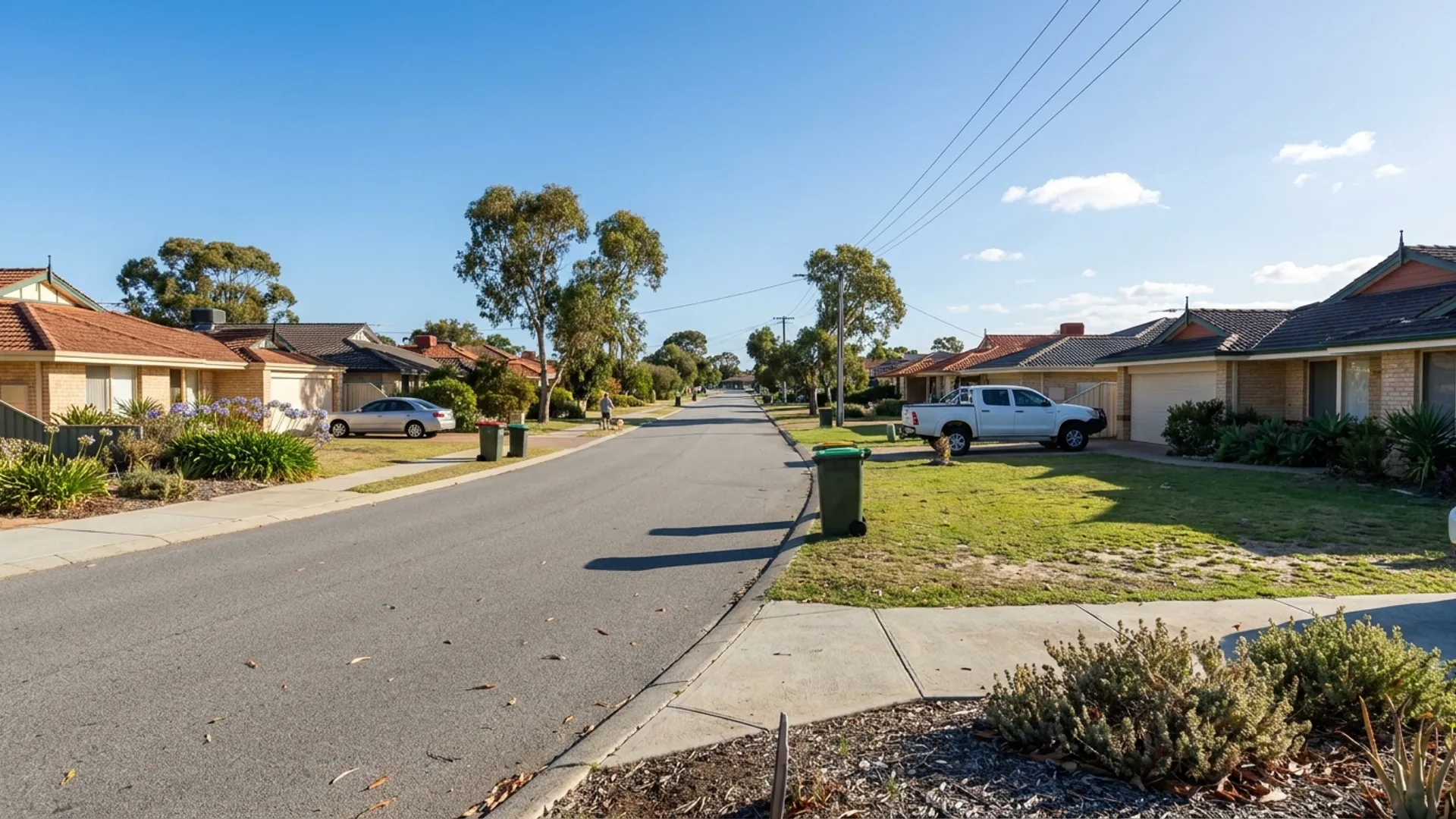
Ocean Reef occupies a premium coastal position in Perth's northern corridor — bounded by the Indian Ocean to the west and north, with Burns Beach to the north and Mullaloo to the south. The suburb sits on Quindalup Dunes near the coast, transitioning to Spearwood Dunes further inland — both highly permeable sandy soils over Tamala Limestone. This coastal geology creates a specific set of inspection challenges centred on salt corrosion, wind exposure, and the accelerated deterioration of building materials in the marine environment.
Ocean Reef's housing stock spans the 1980s through 2000s, with the most premium properties positioned along the ocean-facing western streets. The suburb also contains the Ocean Reef Boat Harbour — a major marina development that has driven surrounding property values and attracted renovation and knock-down rebuild activity on prime lots.
What We Look For in Ocean Reef Properties
Coastal Corrosion — Metal Fixings and Structural Hardware
Ocean Reef's direct coastal exposure means all metal building components face accelerated corrosion. Galvanised steel lintels (arch bars) above windows and doors are the most common failure point — rust expansion cracks the brickwork above, creating both structural and waterproofing issues. Roof tie-downs, cavity wall ties, valley trays, and guttering all corrode faster in this environment. Properties on the ocean-facing streets west of Ocean Reef Road experience the most severe salt spray exposure — some require marine-grade stainless steel hardware rather than standard galvanised fixings. Our inspectors assess corrosion severity throughout the property and identify components approaching failure.
Wind-Driven Rain Penetration
Perth's winter westerlies drive rain directly into Ocean Reef's coastal properties. Water ingress around window perimeters, through failed cavity flashings, and via cracked ridge capping mortar is common. The 1980s–1990s homes in particular were built before modern sarking became standard — meaning water that penetrates the outer brick skin enters the cavity and can reach the inner leaf. Our inspectors check for water staining on internal walls (particularly around windows on the western elevation), cavity ventilation adequacy, and the condition of mortar joints on exposed faces.
Concrete Tile Roof Deterioration
Ocean Reef's 1980s–1990s homes predominantly feature concrete tile roofing that is now 30–40 years old. The combination of salt spray, UV exposure, and age has stripped the factory glaze from most original tiles, leaving porous concrete that absorbs moisture. Saturated tiles are significantly heavier, loading the roof structure beyond its design intent and causing truss deflection visible as sagging ridge lines. Our inspectors assess tile condition, sarking integrity (where installed), ridge capping, and structural adequacy of the roof frame.
Retaining Wall Assessment on Coastal Dune Terrain
Ocean Reef's undulating dune terrain — particularly on the elevated lots west of Ocean Reef Road — requires substantial retaining walls. Limestone block retaining walls are the dominant type, and after 30–40 years many show significant deterioration: mortar fretting from salt exposure, wall rotation from inadequate drainage, and root intrusion from established coastal plantings. Retaining wall failure on Ocean Reef's steep coastal sites can have serious consequences for both the property above and below.
Precincts We Service
- Ocean Reef Boat Harbour Precinct — premium waterfront, severe salt corrosion, modern builds alongside 1990s renovated stock
- Western Coastal Strip (west of Ocean Reef Rd) — exposed ocean-facing homes, marine-grade hardware requirements, wind-driven rain
- Central Ocean Reef — 1980s–1990s brick-and-tile, standard deterioration patterns, established gardens
- Eastern Ocean Reef (Joondalup Drive side) — slightly sheltered from coastal exposure, 1990s–2000s family homes
Pest Control in Ocean Reef
Ocean Reef's coastal environment creates a different pest profile to inland northern suburbs. While the direct salt spray limits some pest species on ocean-facing properties, the sandy Quindalup and Spearwood soils are highly conducive to subterranean termite foraging. Termites don't care about ocean views — they follow moisture corridors through the sand, and Ocean Reef's irrigated gardens and reticulation systems provide exactly the conditions they need. Properties set back from the immediate coastline, particularly those near the suburb's internal parks and mature tree plantings, face standard termite risk that warrants annual inspection.
The Ocean Reef Boat Harbour precinct and surrounding commercial areas attract rodent populations — roof rats in particular exploit the food sources around the marina and migrate into adjacent residential roof spaces. Coastal brown ants are highly active in the sandy soils, undermining paving and creating subsidence around paths and driveways. Redback spiders inhabit meter boxes, boundary fences, and the cavities within limestone retaining walls that are ubiquitous throughout the suburb. Our pest control services start from $189, with annual termite inspections from $189.