Building & Pest Inspections in Kallaroo
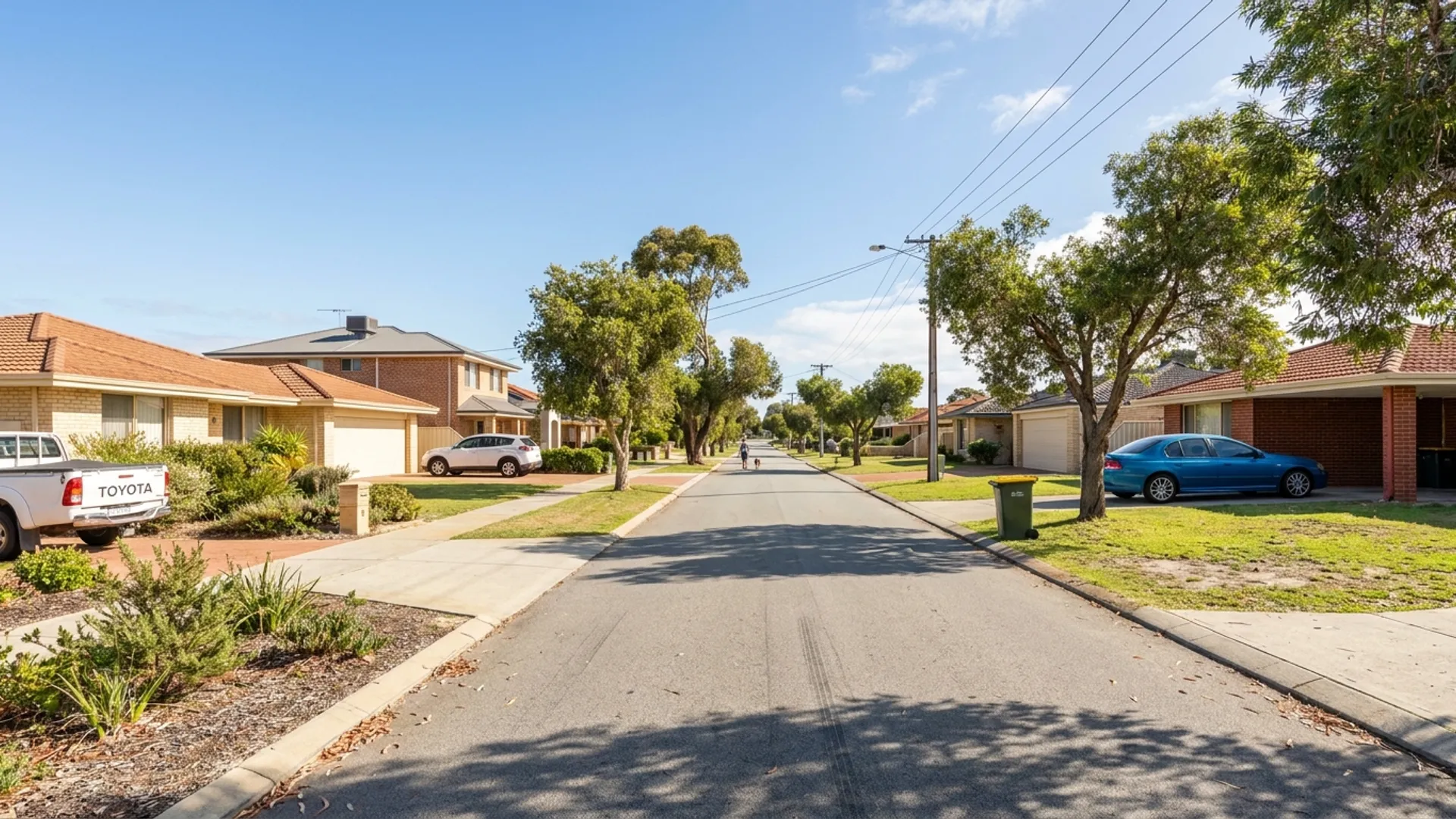
Kallaroo sits on the Spearwood Dune system between the coast and Marmion Avenue — undulating terrain of Karrakatta Sand and Cottesloe Sand over Tamala Limestone. The suburb's topography is hillier than its flatter inland neighbours, which means limestone retaining walls are a defining feature of Kallaroo properties. Built predominantly during the 1970s and 1980s, the housing stock is entering its fourth and fifth decade — the critical age where roof tiles, wall ties, drainage infrastructure, and damp-proof courses require assessment or replacement.
The Northshore Estate in western Kallaroo represents a distinct precinct — larger, premium two-storey homes built in the late 1980s and 1990s with ocean proximity. These properties carry different inspection considerations to the original 1970s single-storey stock in the suburb's eastern sections, creating a varied inspection environment across the suburb.
What We Look For in Kallaroo Properties
Limestone Retaining Wall Assessment
Kallaroo's undulating dune terrain means almost every property includes some form of retaining. Limestone block retaining walls are ubiquitous — many installed during the 1970s–1980s subdivision and now 40+ years old. After four decades, these walls commonly show mortar fretting (accelerated by coastal salt exposure), wall rotation from hydrostatic pressure behind the wall, and root intrusion from established plantings. Failed retaining walls on Kallaroo's terraced sites can undermine driveways, redirect stormwater toward foundations, and compromise the structural support of garden beds and outdoor areas. Our inspectors assess retaining wall condition, drainage provision, and any evidence of ground movement.
Coastal Corrosion in Western Precincts
Properties in the Northshore Estate and the western sections of Kallaroo — closer to the ocean — experience accelerated corrosion of metal building components. Galvanised lintels above windows and doors, roof tie-downs, and cavity wall ties corrode faster in the salt-laden air. In 1970s homes now 50+ years old, these metal components are approaching critical failure. Rust expansion in lintels cracks brickwork above window openings. Corroded wall ties compromise the structural connection between inner and outer brick leaves. Our inspectors check for characteristic rust staining, horizontal cracking patterns, and evidence of lintel failure on exposed elevations.
Roof System Deterioration
Both concrete and clay tile roofs in Kallaroo are at the end of their lifecycle. Concrete tiles have lost their factory glaze, absorbing moisture and adding load to aging pine trusses. Original galvanised valley trays — particularly on two-storey homes where valley trays carry higher water volumes — are severely corroded and prone to leaking. Ridge capping mortar has cracked and in many cases been previously patched rather than properly replaced. Our inspectors assess the complete roof system and provide an honest assessment of remaining life — important information for buyers budgeting for major maintenance expenditure.
Infill and Subdivision Impacts
Housing Opportunity Area rezoning in Kallaroo's eastern and central sections has enabled subdivision and infill development. The retain-and-build model creates complications for the original home — removed carports expose previously sheltered walls, utility connections are modified, and adjacent construction can damage existing retaining walls and drainage systems. Knock-down rebuilds on premium coastal lots in the Northshore precinct involve complex construction on challenging dune terrain. Our inspections address both scenarios — assessing structural integrity of retained homes and verifying build quality on new infill construction.
Precincts We Service
- Northshore Estate (Western Kallaroo) — premium two-storey homes, ocean proximity, coastal corrosion, balcony waterproofing
- Central Kallaroo (Dampier Ave area) — original 1970s single-storey stock, retaining walls, concrete tile failures
- Eastern Kallaroo (Marmion Ave side) — infill subdivision activity, R20/R40 rezoning, modern builds on original lots
- Whitfords Foreshore Edge — coastal bushland interface, extreme salt exposure, termite pressure from native scrub
Pest Control in Kallaroo
Kallaroo's pest environment is shaped by its coastal position and proximity to significant bushland reserves. The Whitfords foreshore reserve along the suburb's western edge and the nearby Craigie Open Space to the southeast both harbour subterranean termite colonies that forage through the sandy Karrakatta soils into residential properties. The free-draining sand is ideal for termite tunnelling, and homes with aging reticulation systems, garden beds built against external walls, or stored timber near the property provide the moisture and bridging materials termites need to access the building.
Coastal brown ants are highly active in Kallaroo's sandy soils — undermining paving, creating subsidence around driveways and footpaths, and invading homes through weep holes and service penetrations. Rodent pressure increases during winter as roof rats migrate from the coastal scrub and parks into heated residential roof spaces — the 1970s–1980s homes with accessible eaves and tile roofing provide easy entry. Portuguese millipedes are seasonally abundant after autumn rains. Our pest control services start from $189, with annual termite inspections from $189.