
Building & Pest Inspections in Heathridge
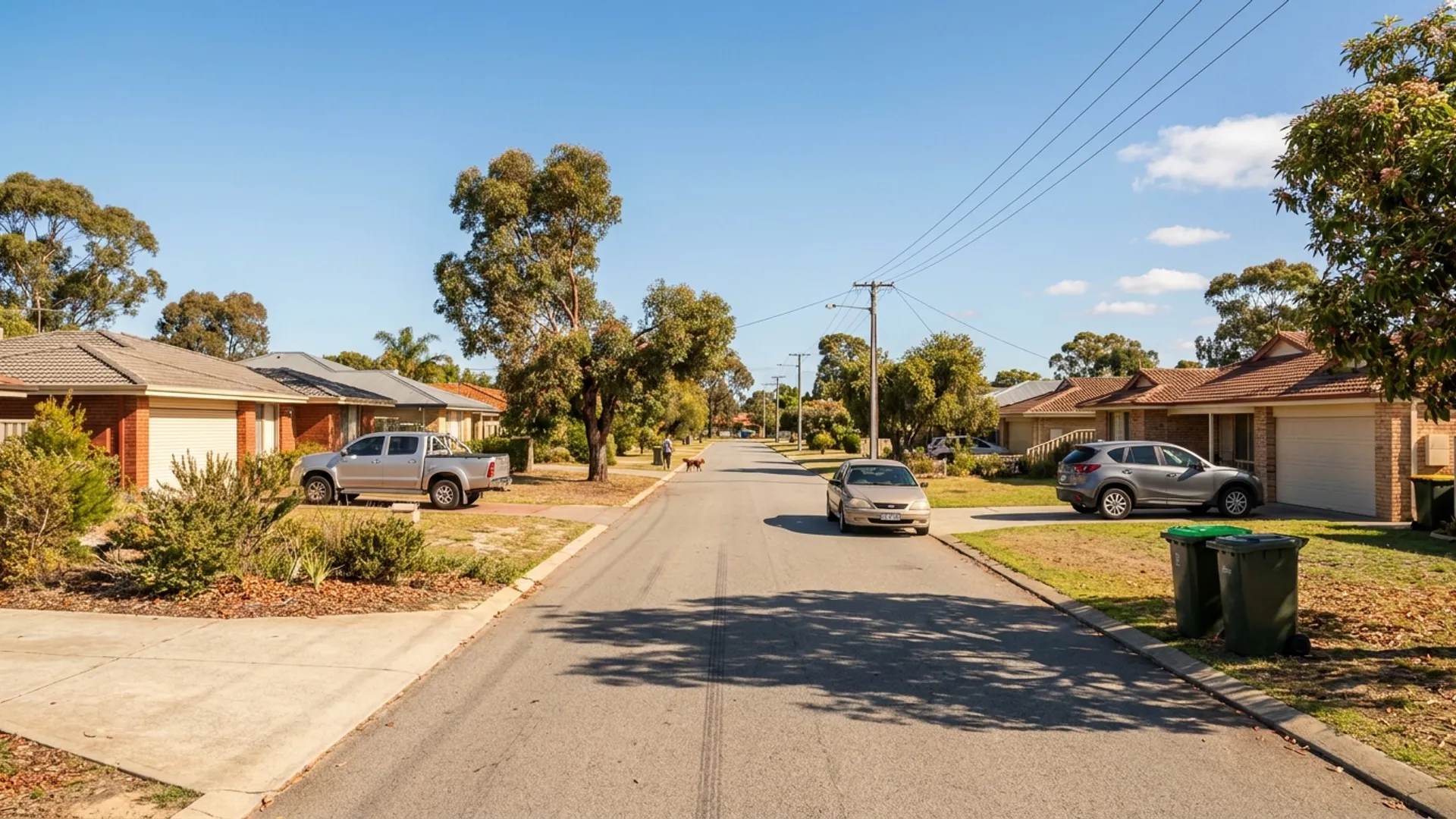
Heathridge is a well-established northern suburb built predominantly during the 1980s and early 1990s on the Spearwood Dune system — Karrakatta Sand over Tamala Limestone. The suburb's consistent housing stock of double-brick-and-tile family homes on concrete slab-on-ground makes it a predictable inspection environment, but at 35–45 years old, these homes are entering the critical maintenance period where multiple building systems deteriorate simultaneously.
Heathridge sits between Ocean Reef Road and Hodges Drive, with Joondalup Drive forming its eastern boundary. The suburb has good access to Joondalup city centre and the coast, making it attractive for families and investors — which means our inspections serve both owner-occupiers buying established homes and investors assessing rental properties where maintenance may have been deferred.
What We Look For in Heathridge Properties
1980s Construction Defect Patterns
Heathridge's 1980s housing stock exhibits a predictable set of age-related defects. Concrete roof tiles have lost their protective glaze and absorb moisture during Perth's wet winters — the additional weight causes deflection in the original pine roof trusses. Ridge capping mortar has cracked or crumbled, allowing water to enter the roof space. Galvanised valley trays, gutters, and downpipes show advanced corrosion. Our inspectors assess the complete roof envelope — because at this age, replacing individual components while ignoring related failures creates an ongoing maintenance cycle rather than a lasting solution.
Damp-Proof Course Failures
Original damp-proof courses in 1980s Heathridge homes are degrading. More commonly, homeowners have raised external garden beds or paving above the DPC line, bypassing the moisture barrier entirely and allowing water to wick up through the brickwork. Internal symptoms include bubbling plaster and paint at the base of walls, efflorescence (white salt deposits), and musty odours in rooms where furniture has been placed against affected walls for extended periods. Our inspectors check DPC height relative to external ground levels around the full perimeter of the property.
Asbestos Identification in 1980s Stock
Heathridge was built during the transitional period for asbestos in Australian construction. While the industry was moving away from asbestos by the mid-1980s, many Heathridge homes still contain asbestos-containing materials in eaves and soffit linings, Super Six boundary fencing, wet area sheeting behind bathroom and laundry tiles, and Zelemite electrical meter board backings. Our building inspections identify materials that are likely to contain asbestos based on age, appearance, and location — important information for buyers planning renovations or demolition.
Soakwell and Stormwater Infrastructure
After 35–40 years, Heathridge's original concrete soakwells are at or beyond their functional life. Failed soakwells cause stormwater to pool around foundations, and on the well-drained Karrakatta Sand, the water creates localised erosion channels that undermine paving and footpaths adjacent to the home. Our inspectors check for evidence of drainage failure including settling paving, erosion near downpipes, and damp conditions at the base of external walls where water should be draining away.
Precincts We Service
- Caledonia Park Precinct — original 1980s stock bordering parkland, termite pressure from mature trees, established gardens
- Ocean Reef Road Corridor — Housing Opportunity Area infill, subdivision activity, modern builds alongside original stock
- Central Heathridge — consistent 1980s double-brick, concrete tile roof failures, wall tie monitoring
- Joondalup Drive Edge — traffic noise considerations for buyers, 1990s stock in slightly better condition than western precincts
Pest Control in Heathridge
Heathridge's established gardens, mature street trees, and internal parks create consistent pest pressure across the suburb. While Heathridge lacks the extreme bushland or wetland corridors of neighbouring suburbs like Edgewater, the suburb's own green spaces — Caledonia Park, Heathridge Park, and the numerous pocket parks throughout the residential grid — harbour subterranean termite colonies that forage into surrounding homes through the sandy Karrakatta soils.
The 1980s housing stock amplifies termite risk. Original chemical barriers (organochlorines) have long since broken down, leaving many homes without active termite protection. Aging reticulation systems leak moisture near foundations. Timber garden edging, stored firewood against external walls, and mulch beds abutting brickwork all create conditions conducive to termite entry. General pest pressure is also typical for the era — cockroach populations establish in aging terracotta drainage, Redback spiders inhabit sub-eave spaces and garden sheds, and Portuguese millipedes are highly active after autumn rains in the sandy soils. Our pest control services start from $189, with annual termite inspections from $189.