Building & Pest Inspections in Warnbro
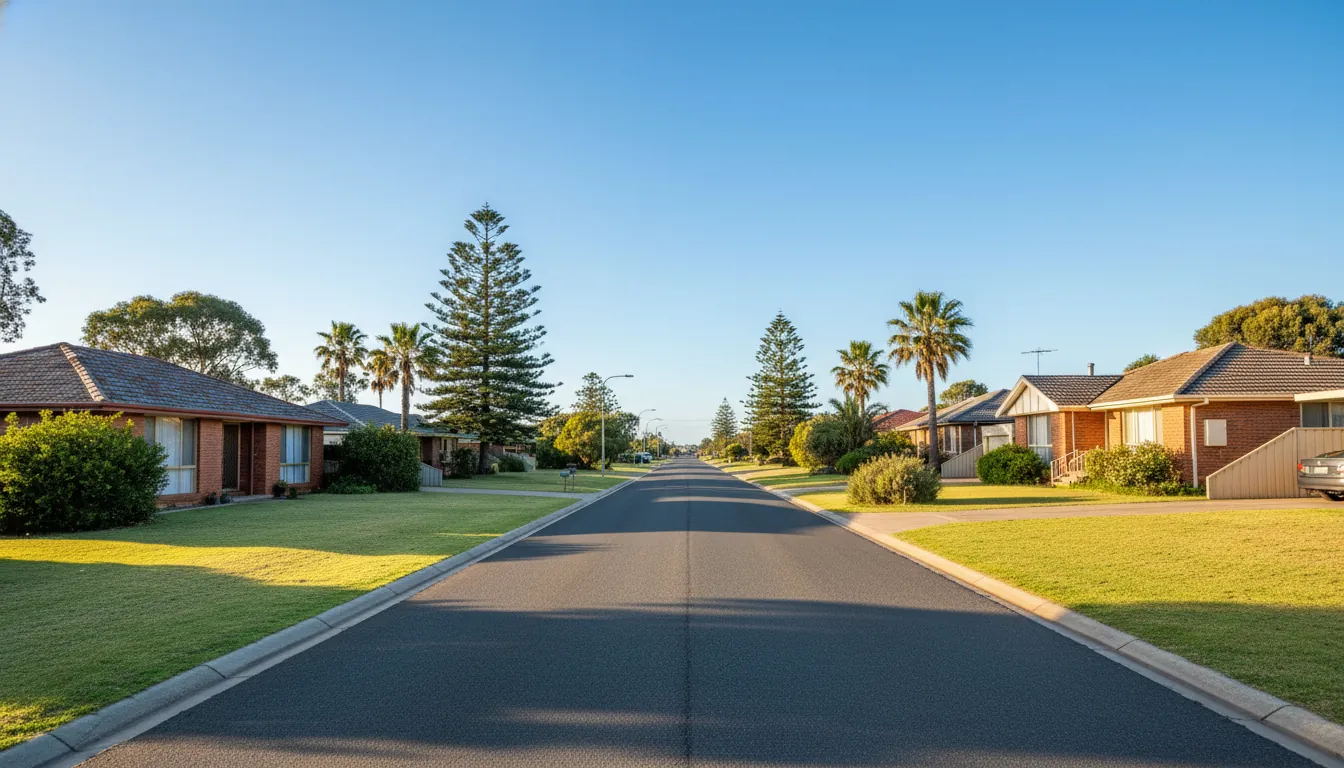
Warnbro sits at the geological transition between the Quindalup Dunes (coastal Safety Bay Sand in the western half) and the Spearwood Dunes (over Tamala Limestone in the eastern half). Both soil types are stable, non-reactive sand — Class A site classification — which provides good foundation conditions but is ideal for subterranean termite tunnelling. The suburb's housing stock spans the 1970s through late 1990s, with most homes now 30–50 years old and entering the period where multiple building systems fail simultaneously.
Warnbro's pest environment is shaped by two significant natural features: Warnbro Sound and the coastal dunes to the west (driving marine-grade corrosion), and Lake Walyungup — a large shallow saline lake surrounded by dense scrub and bushland — to the east. Properties on the eastern side of Warnbro face immense pest pressure from the lake and its surrounding vegetation.
What We Look For in Warnbro Properties
Coastal Corrosion on 30–50 Year Old Stock
Salt-laden coastal winds from Warnbro Sound cause severe corrosion throughout the suburb's building stock. Steel lintels above windows and doors show advanced rust expansion, creating stepped cracking in the brickwork above. Wall ties connecting inner and outer brick leaves are corroded — particularly on western and south-western elevations facing prevailing winds. Mortar fretting on exposed faces allows water penetration that accelerates further deterioration. Our inspectors assess corrosion severity across all elevations and identify components approaching structural failure.
1980s–1990s Roof System Failures
Warnbro's dominant 1980s–1990s concrete tile roofing is at the critical maintenance age. Heavily degraded pointing and bedding on ridge caps allows water entry into the roof space. Original galvanised valley trays are corroded, particularly at the seams. The tiles themselves have lost their factory glaze and absorb moisture, adding weight to aging timber trusses. Our inspectors assess the complete roof system from both outside and inside the roof space, providing buyers with a realistic assessment of remaining roof life and expected replacement costs.
Failed Wet Area Waterproofing
Original bathroom waterproofing in 1970s–1990s Warnbro homes has failed or is failing. Water penetrates through the shower floor or behind tiles, migrating into adjacent wall cavities and causing rising damp in rooms beside the bathroom. The damage often goes unnoticed because it manifests outside the wet area — bubbling paint on the hallway wall, swelling skirting boards in an adjacent bedroom, or musty odours in rooms next to the bathroom. Our inspectors use moisture meters to systematically check walls and floors adjacent to all wet areas.
Asbestos in 1970s–1980s Stock
Warnbro's primary development period coincided with peak asbestos use in WA construction. Super Six fencing, asbestos eaves and soffits, wet area backing boards, vinyl floor tiles, and fibro sheds and outbuildings are standard findings in unrenovated properties. Our inspections identify likely asbestos-containing materials based on age, appearance, and location — critical information for renovation planning.
Precincts We Service
- Warnbro Beach / Coastal Strip (Warnbro Sound Ave) — premium area, highest salt exposure, older homes being demolished for luxury rebuilds
- St Ives / Eastern Pocket — closer to Ennis Avenue and train station, standard 1980s–1990s brick-and-tile
- Lake Walyungup Edge (East) — extreme pest pressure from saline lake and surrounding bushland
- Central Warnbro — consistent 1980s stock, subdivision potential on larger blocks
Pest Control in Warnbro
Warnbro's pest environment is heavily influenced by Lake Walyungup — the large saline lake on the suburb's eastern boundary surrounded by dense coastal scrub and protected bushland. Properties on the eastern side of Warnbro face significantly elevated termite foraging pressure from colonies harboured in the lake's surrounding vegetation. The Port Kennedy Scientific Park on Warnbro's southern boundary adds further environmental pest pressure — a massive protected bushland area creating a high-risk termite zone for properties on the suburb's southern fringe.
The Safety Bay Sand and Spearwood sands are ideal for subterranean termite tunnelling. Original organochlorine barriers (Dieldrin) from the 1970s–1980s have long expired, and 30+ years of landscaping has bridged DPC and weep holes across most older properties. Coastal brown ants are highly prevalent, excavating sand beneath paving and causing driveway and footpath subsidence. Roof rats are common year-round, particularly near the bushland boundaries. Our pest control services start from $189, with annual termite inspections from $189 — essential for any Warnbro property near the Lake Walyungup or Port Kennedy bushland corridors.