Building & Pest Inspections in Bertram
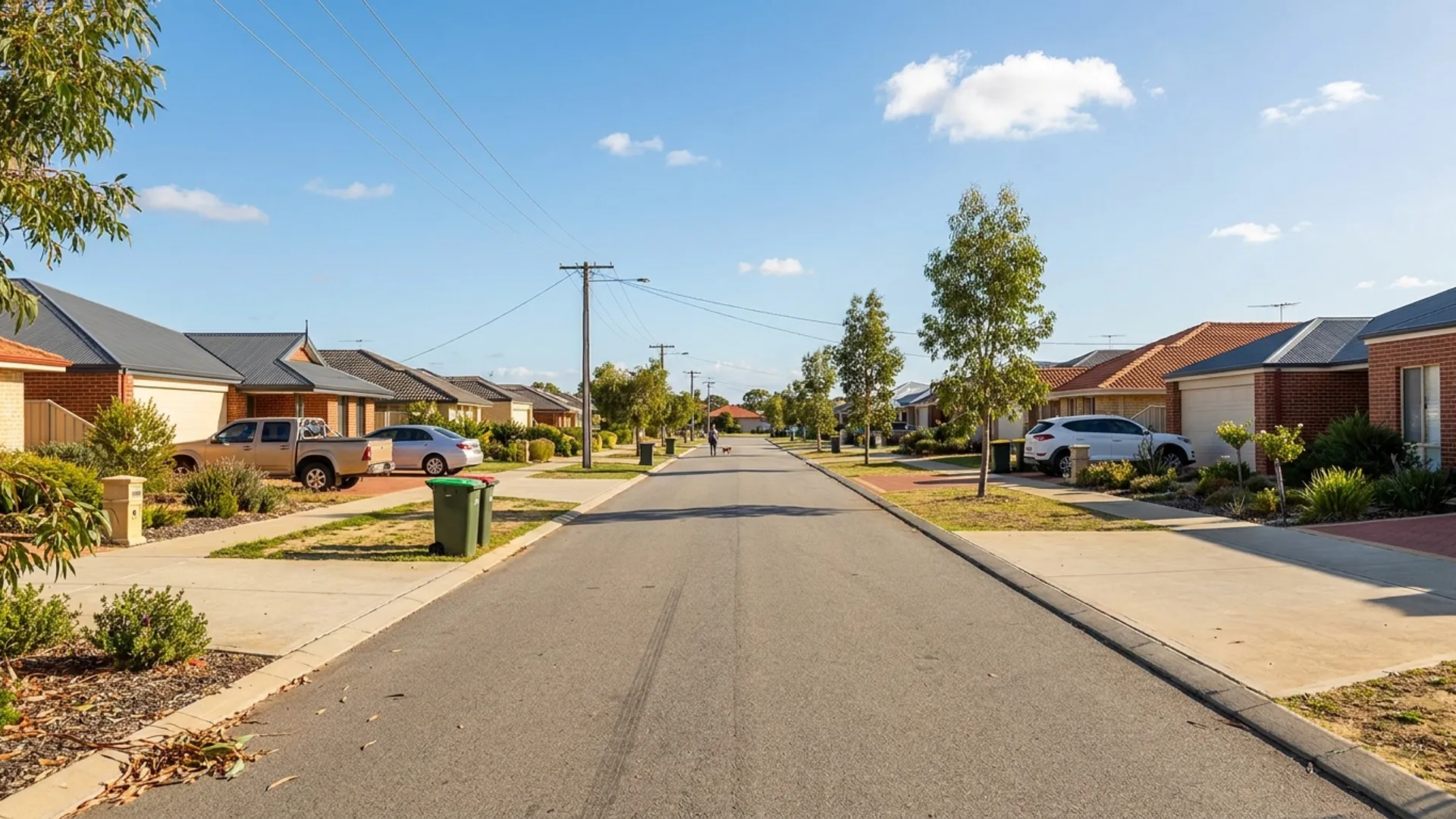
Bertram is a modern suburb built predominantly during the 2000s construction boom on Bassendean Sand — pale, highly leached quartz sands that drain quickly but provide the ideal tunnelling medium for subterranean termites. The eastern boundary and southern fringes transition toward Guildford Formation clay with sub-surface clay and alluvial deposits. The suburb also contains inter-dunal wetland depressions where the winter water table rises close to the surface, creating localised rising damp and paving subsidence risks that don't affect the suburb's drier central areas.
With 95%+ of the housing stock built after the late 1990s, Bertram avoids asbestos concerns entirely. However, the volume builder project homes from the 2000s boom carry their own set of inspection challenges — rushed construction quality, failed waterproofing, and expired termite barriers — all compounded by the suburb's proximity to wetlands and bushland reserves that create extreme pest pressure.
What We Look For in Bertram Properties
Failed Shower Waterproofing — The Signature Defect
Failed shower waterproofing is the most common defect in Bertram's 2000s-era project homes. After 15–25 years, original waterproofing membranes beneath shower tiles and bathroom floors fail, allowing water to penetrate through the slab or into adjacent wall cavities. The damage manifests outside the bathroom — swelling skirting boards on the other side of the wall, bubbling paint in adjacent rooms, elevated moisture readings in floor slabs near wet areas. Our inspectors systematically check every wet area using moisture meters, as failed waterproofing can cause extensive structural damage if left undetected.
Sand Pad Settlement Cracking
Volume builder homes in Bertram were constructed on engineered sand pads that consolidate over time. Minor settlement cracking — stepped cracking in brickwork, cornice separation at wall-ceiling junctions, and gaps developing around door frames — is common in homes less than 20 years old on Bassendean Sand. Our inspectors assess whether cracking is consistent with normal initial settlement (cosmetic only) or indicates ongoing differential movement requiring engineering investigation.
Roof Construction Quality
Homes built during the 2002–2008 construction boom in Bertram were delivered under intense production pressure. Poorly strapped or missing roof tie-downs, inadequate truss bracing, and rushed roof plumbing (gutter falls, valley tray sealing) are findings specific to boom-era construction. At 20+ years old, gutters are now reaching end of lifespan with rusting at seams and corners. Our inspectors access the roof space to verify structural adequacy and check for defects that have been present since construction but only become apparent as the building ages.
Expired Chemical Termite Barriers
Pre-construction chemical termite treatments from the 2000s have expired — typically effective for only 5–10 years. Many Bertram homeowners are unaware their termite protection has lapsed. Subsequent patio construction, garden bed installation, and paving work may have compromised physical barriers, creating concealed entry points where termites can access the building undetected. Our inspections check the full slab perimeter for conditions conducive to termite entry and recommend ongoing monitoring.
Precincts We Service
- Belgravia Estate (Central) — primary subdivision, 2000s project homes, standard waterproofing and settlement defects
- Centennial Park Precinct — around central oval and primary school, family area with high inspection demand
- Wetland Border Properties — elevated moisture, higher pest pressure from Bertram Wetlands and bushland reserves
- Kwinana Freeway Edge (East) — dense native bushland corridor, extreme termite pressure, noise considerations
Pest Control in Bertram
Bertram's pest risk is among the highest in the Rockingham corridor despite its relatively modern housing stock. The Bassendean Sand is exceptionally easy for subterranean termites to navigate — Coptotermes acinaciformis is the dominant species. The Bertram Wetlands and protected bushland reserves (including Marri Park and corridors along the Kwinana Freeway) provide year-round nesting habitat and moisture. The damp, peaty soils of the inter-dunal wetland depressions maintain moisture levels that sustain termite foraging activity even through Perth's dry summer.
Homeowner-added patios and garden features create additional risk. Timber patio posts penetrating concrete paving provide direct termite entry points. Garden beds built against external walls bridge physical barriers. Mulch placed against the home creates moisture and harbourage. Coastal brown ants excavate sand beneath paving, causing sunken driveways and pathways. Portuguese millipede plagues are common in autumn and winter. Our pest control services start from $189, with annual termite inspections from $189 — strongly recommended for every Bertram property given the suburb's extreme termite risk profile.