
Building & Pest Inspections in Riverton
Riverton sits on a transitional soil profile that makes it one of the more unpredictable suburbs to inspect in the south-east corridor. The western and central areas of the suburb are predominantly Bassendean Sand — deep leached sands that drain freely and generally provide stable foundation conditions. But as you move toward the Canning River along the northern and eastern boundaries, the soil transitions into Guildford Formation clay with its problematic seasonal swell-shrink behaviour. A property one street from the river can behave completely differently from a property three streets away, and buyers need a building inspection that accounts for this variability.
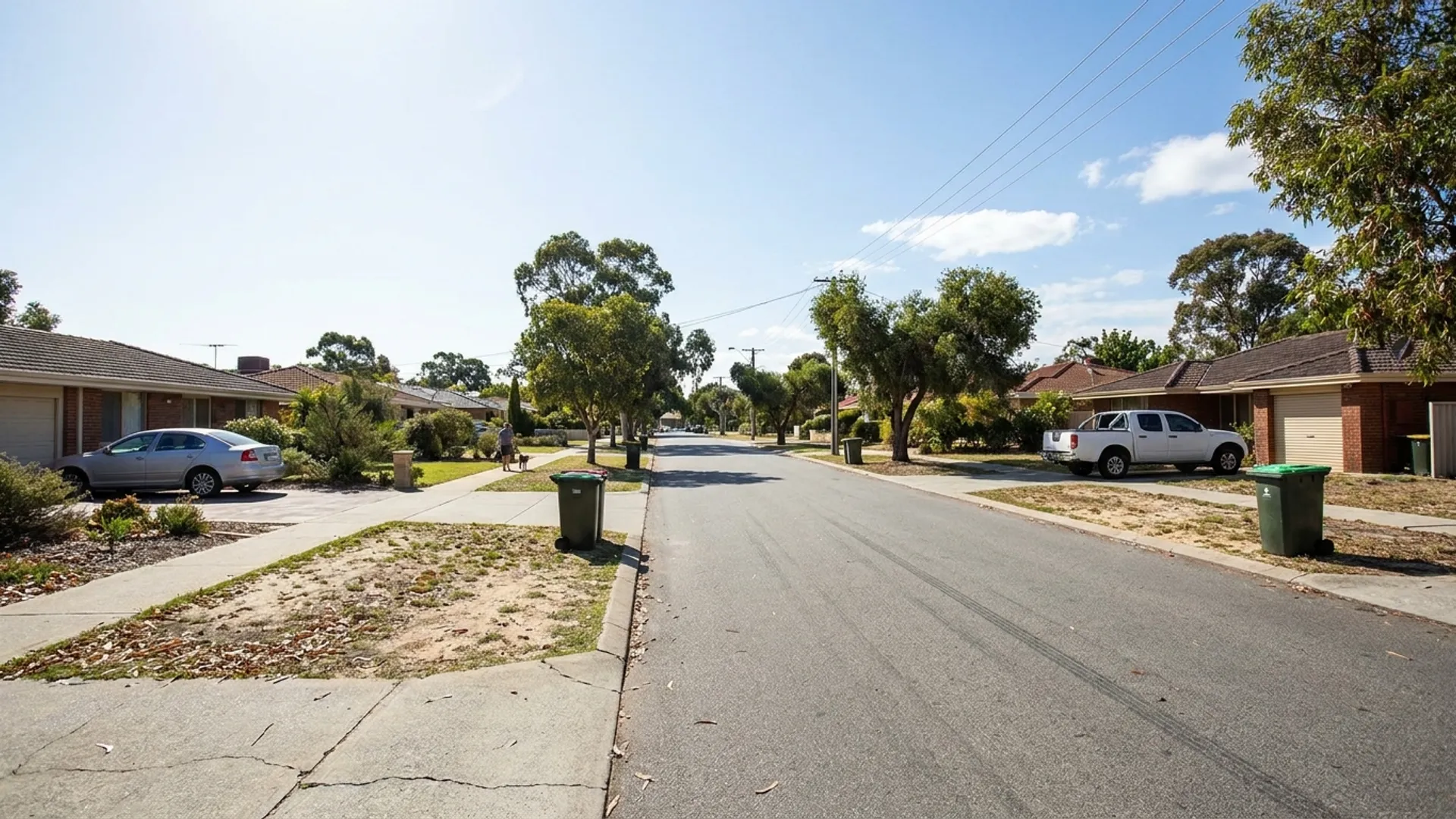
The housing stock is predominantly 1970s and 1980s brick-and-tile — now 40 to 50 years old and hitting the age where multiple building systems fail simultaneously. Concrete roof tiles reach their end of life, wall ties corrode and expand, mortar frets, and original plumbing and electrical systems approach or exceed their design lifespan. Riverton has also seen infill subdivision activity on the larger original lots, with newer 1990s and 2000s homes built on subdivided rear lots that sometimes inherit drainage problems from the original development.
Asbestos prevalence in Riverton runs between 35% and 45% in unrenovated homes. Super Six fencing is common on older boundary lines, eaves sheeting in pre-1985 homes frequently contains asbestos, and original bathroom and laundry linings may include asbestos-cement sheet behind tiles. This needs to be identified and costed before purchase — remediation can add tens of thousands to the real cost of buying an older Riverton home.
What We Look For in Riverton Properties
Transitional Soil Foundation Issues
Riverton's soil transition from Bassendean Sand to Guildford Formation clay creates a unique inspection challenge. Properties on the sandy western side typically show stable foundations with minimal cracking — but when a sandy-soil property has been heavily irrigated or has poor drainage, the sand can compact unevenly and cause settlement rather than heave. Properties near the Canning River sit on clay that behaves like the rest of the south-east corridor: seasonal swelling and shrinking that creates diagonal step-cracking in brickwork and uneven floors. Our inspectors assess the specific soil behaviour affecting each property rather than applying a one-size-fits-all approach — in Riverton, the property's position within the suburb determines which foundation risks apply.
Concrete Roof Tile End-of-Life Failure
Riverton's 1970s and 1980s concrete roof tiles are now 40-50 years old — well past the point where systematic failure begins. The factory glaze that originally sealed the tiles has degraded, allowing moisture absorption that makes tiles heavier and more brittle. Ridge cap pointing cracks and fails, letting water into the roof space. Sagging pine trusses under the increased weight of water-saturated tiles create visible ceiling deflection inside the home. In Riverton, a failing concrete tile roof is not a minor maintenance item — it's a full replacement project that can cost $15,000-$25,000 depending on the roof area, and it needs to be factored into any purchase decision.
Wall Tie Corrosion
The original mild steel wall ties used in Riverton's 1970s and 1980s construction have reached the stage where corrosion is widespread. When wall ties corrode, the expanding rust forces the mortar bed apart, creating a distinctive horizontal cracking pattern along the bed joints — different from the diagonal cracking caused by foundation movement. Corroded wall ties mean the outer brick leaf is no longer structurally tied to the inner wall, reducing the wall's resistance to wind load and creating a structural integrity issue. Our inspectors distinguish between wall tie cracking and foundation cracking because the remediation approach and cost are completely different.
Infill Subdivision Drainage Problems
Riverton's larger original lots have been progressively subdivided since the 1990s, with newer homes built on rear battleaxe blocks or subdivided street-frontage lots. These infill developments sometimes create drainage issues for both the new and original homes — stormwater paths that worked for a single home on a large lot can fail when two or three homes share the same area. We check for evidence of water pooling between properties, shared drainage easements that are undersized or blocked, and paving or landscaping on the newer property that directs water toward the older home's foundation.
Precincts We Service
- Riverton central — Bassendean Sand, 1970s-1980s brick-and-tile, concrete roof tile failure, wall tie corrosion at 40-50 year threshold
- Canning River corridor — Guildford Formation clay transition, reactive clay structural movement, elevated termite and moisture risk from river habitat
- Riverton Reserve surrounds — mature tree canopy providing Coptotermes harbourage, bushland interface termite pressure
- Infill subdivision lots — newer builds on subdivided rear lots, shared drainage concerns, boundary setback issues
Timber Pest Inspections in Riverton
Riverton's termite risk is driven by two environmental features: the Canning River along the northern boundary and Riverton Reserve in the south-east. Both provide permanently moist, vegetated habitat that supports established Coptotermes acinaciformis colonies — the most destructive subterranean termite species in Western Australia. These colonies forage outward from their harbourage through the soil, following moisture gradients toward residential structures. Properties within 100 metres of either the river or the reserve face the highest risk, but mature street trees and irrigated gardens throughout the suburb extend the foraging corridor well into the residential area.
The 1970s and 1980s housing stock compounds the risk. Pine roof trusses from this era are now 40-50 years old, dried out, and significantly more palatable to termites than when they were first installed. Concealed damage in roof voids and wall cavities can progress undetected for years in homes where regular termite inspections haven't been maintained. A dedicated timber pest inspection is essential for any pre-purchase in Riverton — particularly for properties near the river or reserve. Standalone timber pest inspections are $250, or $178 when combined with a building inspection. The combined approach captures both the structural issues typical of this era and the termite risk from the surrounding environment.
Pest Control in Riverton
Riverton's established gardens, mature tree-lined streets, and proximity to the Canning River and Riverton Reserve create year-round pest pressure across the suburb. The leafy, established character that makes Riverton attractive to families also provides ideal habitat for spiders — particularly redbacks in garden sheds, meter boxes, and the subfloor spaces common in older homes. Rodents exploit gaps in aging roof tiles and deteriorated eaves to access roof voids, and cockroaches enter through the failing seals around original 1970s plumbing.
For properties near the Canning River, the moisture-rich riparian environment supports higher pest densities across all common species, and mosquitoes are a particular concern during Perth's warmer months. Our residential pest control covers general pest treatments for ants, spiders, cockroaches, and rodents, as well as targeted termite inspections and treatment programs for properties in the higher-risk zones near the river and reserve. Pest control starts from $189.