Building & Pest Inspections in East Perth
East Perth is one of Perth's most geologically complex suburbs for building inspection. The suburb sits on alluvial clay and sand deposits along the Swan River floodplain, with significant areas of reclaimed industrial land — particularly the Claisebrook and former gasworks precincts. Properties here sit on variable fill that was engineered during the 1990s urban renewal, and the older pockets along Royal Street and Brown Street contain 1890s–1920s workers cottages built on original alluvial soils that behave very differently to the engineered ground next door.
This geological variability means two properties on the same street can have completely different foundation conditions. A modern Claisebrook apartment sits on engineered fill with driven piles, while a heritage cottage 200 metres away sits directly on alluvial clay with minimal footings. Our inspectors understand these differences and adjust their assessment approach based on the specific site history of each East Perth property.
What We Look For in East Perth Properties
Reclaimed Land and Engineered Fill (Claisebrook Precinct)
The Claisebrook urban renewal — one of Perth's largest brownfield redevelopments — transformed former industrial land into residential apartments and townhouses during the late 1990s and 2000s. While the site remediation and fill engineering was substantial, properties built on reclaimed land can experience differential settlement over time. Ground floor apartments and townhouses in the Claisebrook Village precinct are most at risk. Our inspectors check for signs of uneven settlement including cracking in floor tiles, doors binding in frames, and gaps between skirting boards and floors — all indicators that the underlying fill may be consolidating unevenly.
Heritage Cottage Structural Assessment (Royal Street Precinct)
East Perth's surviving heritage stock — concentrated along Royal Street, Brown Street, and the streets surrounding Queens Gardens — includes some of Perth's oldest residential buildings. These 1890s–1920s workers cottages feature timber-framed construction with brick or weatherboard cladding, sub-floor crawl spaces, and original limestone or brick pier foundations. Common defects include sub-floor timber deterioration from moisture wicking up through alluvial clay, foundation pier movement, and wall cracking from decades of seasonal soil movement. These heritage properties require a different inspection approach to modern apartments — our inspectors access sub-floor spaces, check pier alignment, and assess structural timber condition throughout.
High-Rise Apartment Due Diligence
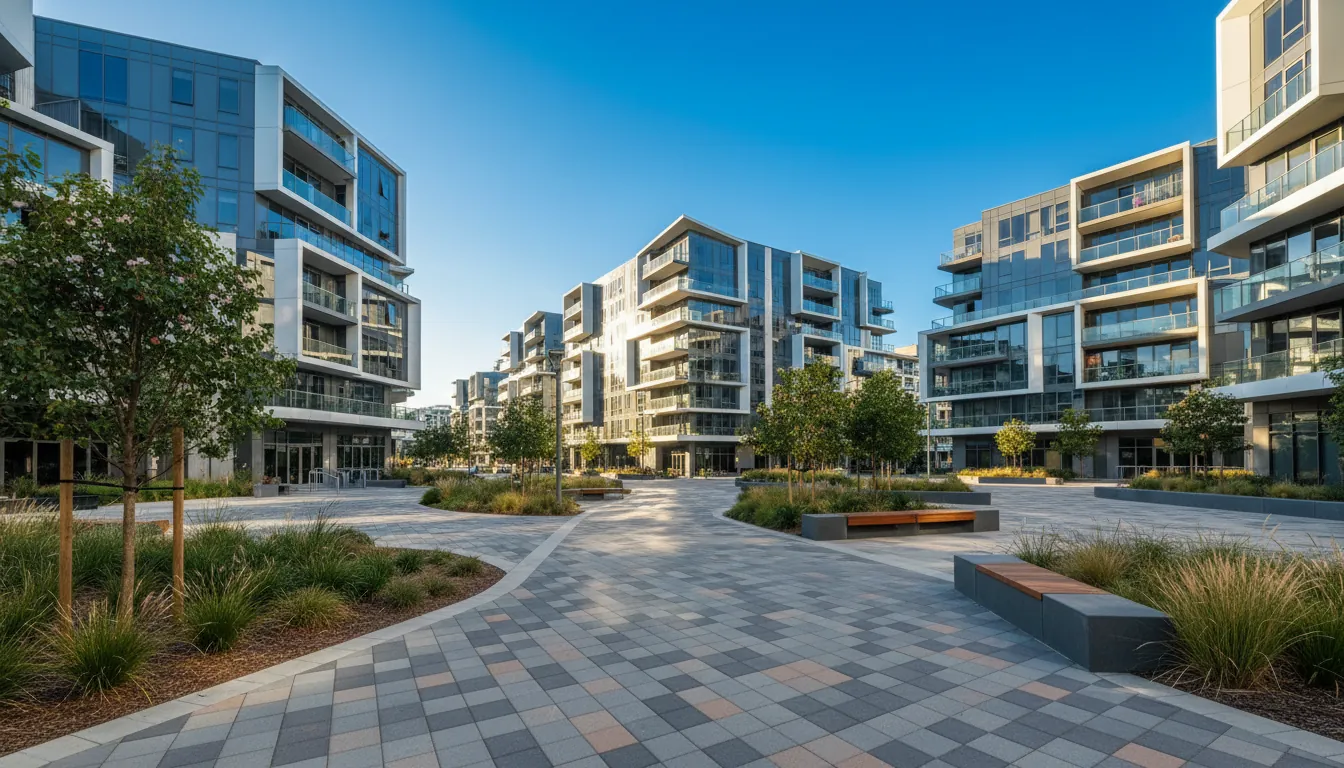
East Perth's riverside precinct — along Plain Street, Adelaide Terrace, and the WACA ground area — has seen significant high-rise apartment development since 2010. While individual apartment inspections are limited compared to house inspections, our assessments check for water staining around windows (a common defect in Perth high-rises where sealant fails), balcony waterproofing membrane condition, and evidence of building movement in common areas. We also check for cracking in car park structures, which can indicate structural issues affecting the entire building.
Moisture and Drainage on River-Adjacent Sites
Properties close to the Swan River foreshore — particularly along Riverside Drive and the Mardalup Park area — sit on high water table land. Ground floor apartments and any property with a sub-floor space in this zone face elevated moisture risk. Rising damp, efflorescence on internal walls, and musty conditions in storage areas are common findings. Our inspectors use moisture meters to map moisture distribution through walls and floors, identifying whether issues are caused by rising groundwater, lateral water penetration, or condensation from inadequate ventilation.
Precincts We Service
- Claisebrook Village — 1990s–2000s apartments on reclaimed industrial land, differential settlement monitoring, stormwater infrastructure
- Royal Street / Brown Street Heritage Pocket — 1890s–1920s workers cottages, sub-floor timber assessment, limestone pier foundations
- Riverside / Adelaide Terrace — modern high-rise apartments, window sealant failures, balcony membrane assessments
- WACA / Nelson Avenue — mixed apartment and townhouse stock, proximity to Swan River floodplain
Practical Completion Inspections (PCI) in East Perth
East Perth continues to attract new apartment and townhouse development, particularly along the riverside and in the emerging Perth City Link precinct to the west. New builds on this alluvial floodplain require careful foundation engineering — driven piles and raft slabs are standard, but the interface between new construction and variable ground conditions makes handover inspection important. Our practical completion inspections verify that waterproofing membranes are correctly installed (critical on high water table sites), that drainage systems direct water away from foundations, and that the building envelope is properly sealed against Perth's driving winter rain. PCI inspections start from $465.
Pest Control in East Perth
East Perth's proximity to the Swan River and the mature parkland around Queens Gardens creates consistent pest pressure year-round. The combination of river-fed moisture, established trees, and dense garden plantings provides ideal conditions for subterranean termite activity — particularly in the heritage cottage precinct where aging sub-floor timbers offer attractive feeding sites. Queens Gardens itself, with its large established trees and irrigated lawns, is a known Coptotermes harbourage area that puts surrounding properties within foraging range.
The apartment precincts face different pest challenges. German cockroaches thrive in the shared plumbing risers and waste chutes of older Claisebrook apartments. Rodent activity peaks in autumn along the river foreshore as rats move from cooling outdoor harbourage toward heated residential buildings. Silverfish populations establish in ground-floor storage cages where moisture levels remain elevated year-round. Our pest control services cover general pest treatments from $189. For heritage properties near Queens Gardens, we recommend annual termite inspections from $189 to monitor for subterranean activity.